








Introduction:Want to understand why Indonesian Mandheling coffee boasts such a rich, full-bodied yet clean taste? The key lies in its unique "wet hulling" processing method. This article will delve into the operational steps of wet hulling, the reasons behind its distinctive flavors, and the science behind the so-called "goat hoof bean" phenomenon. It will also introduce you to the regional characteristics, strict selection system, and optimal brewing methods of Indonesia’s premium PWN Golden Mandheling — an essential beginner’s guide for pour over coffee enthusiasts and those keen on exploring deep, bold flavors.
Among the many coffee-producing countries, Indonesia is renowned for its distinctive wet hulling method (known in Indonesian as Giling Basah). This processing technique is not only central to the local coffee culture but also a key factor in shaping classic flavor profiles such as that of Mandheling. This article will take an in-depth look at each step of the wet hulling process — from definition and practical operation to the causes of special phenomena like goat hoof beans — helping you gain a more comprehensive understanding of this unique post-harvest coffee technique.
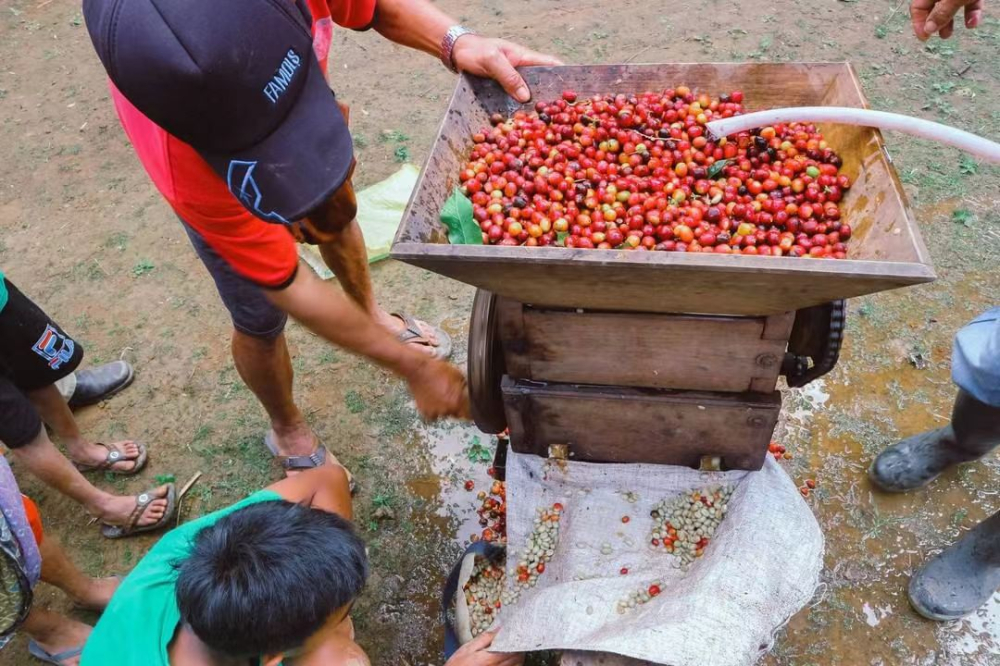
As the name suggests, wet hulling involves removing the outer parchment layer of the coffee bean before it is fully dried, which is significantly different from the more common washed or natural processing methods. Typically, Indonesian coffee farmers send their parchment-covered green beans to processing stations or collection sites when the moisture content is around 35% to 40% — meaning the beans are still quite moist. Due to the region’s humid climate, these beans may be collected before full fermentation or with some residual mucilage, and they are often mixed and piled together, resulting in inconsistent quality.
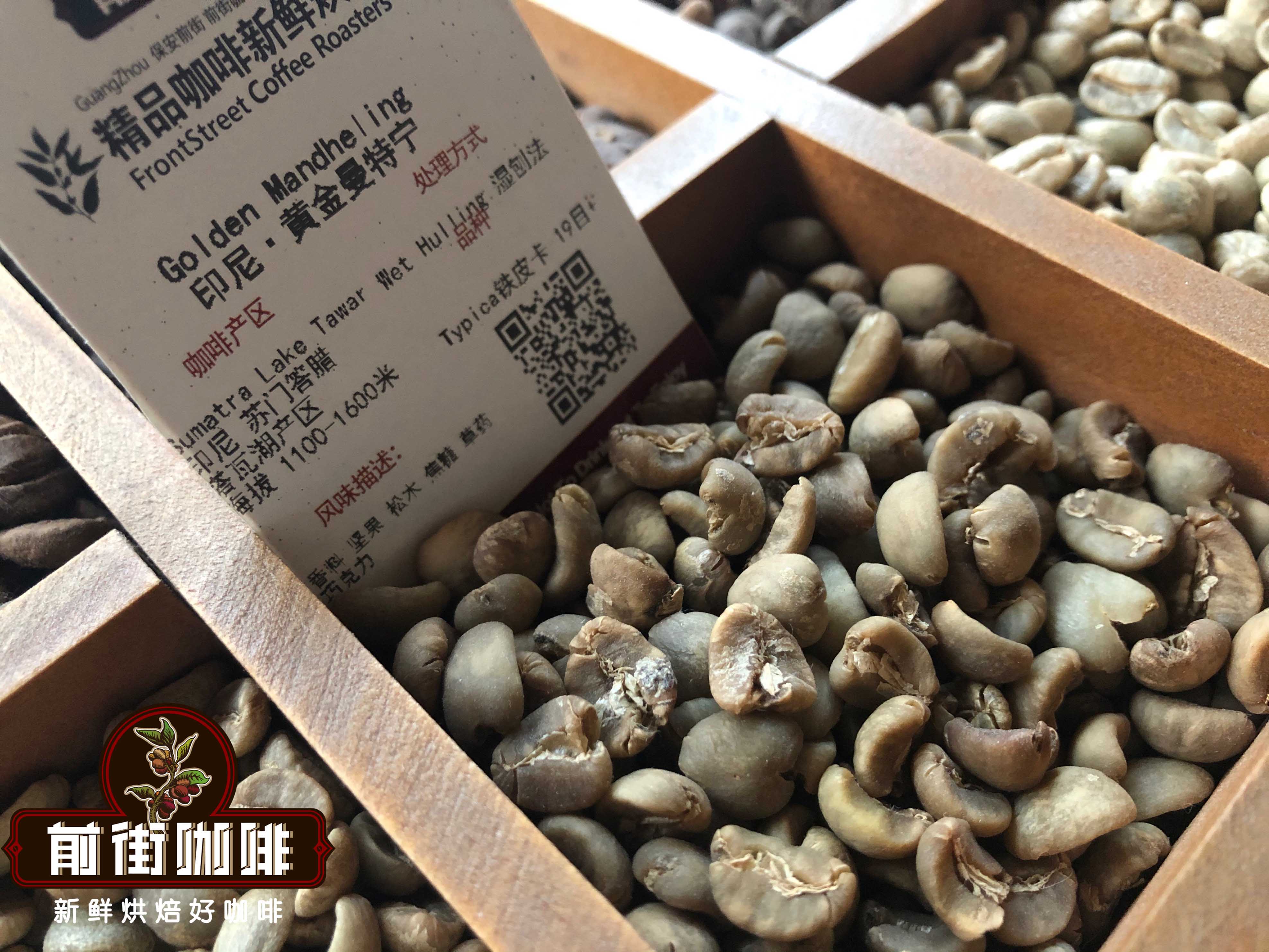
These semi-dry parchment beans are then further dried in the sun until their moisture content drops to 20% to 24%. At this stage, the beans are sent to a specialized wet mill to have the parchment removed. Because the beans are still in a semi-dry state, they are soft and more susceptible to damage. Under the high-friction mechanical process, they are not only prone to being crushed but also release white or greenish mucilage. At this point, the green beans often appear gray-green, swollen in appearance with uneven coloration, and their ends may develop small dents due to compression — commonly known as "goat hoof beans" or "horse hoof beans" (locally called kuku kambing).
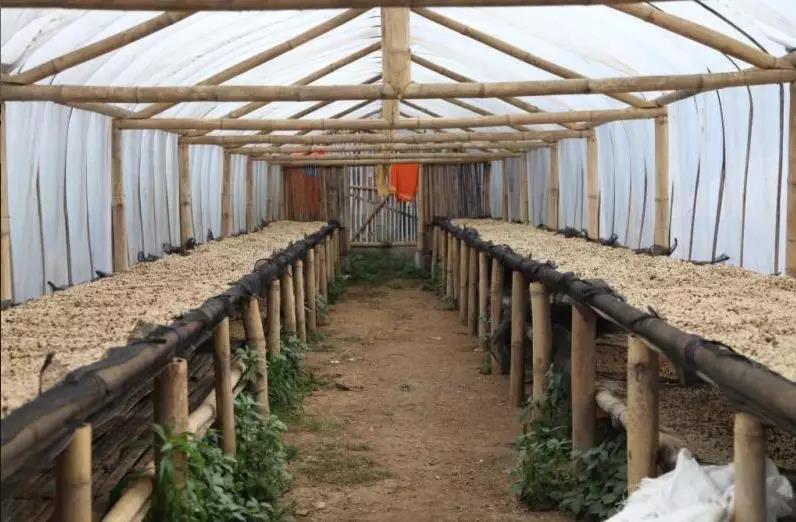
After the parchment is removed, the green beans usually undergo no additional drying protection but are instead placed directly in open areas such as patios, tarps, or roadsides for the final drying stage. Without the protective barrier of the parchment, the beans are extremely vulnerable to mold, bacteria, and yeast from the environment. Coupled with direct sunlight causing rapid moisture evaporation, the drying process is often uneven, leading to surface spotting and affecting the consistency of heat absorption during roasting. In addition, the high heat generated during the husking process can accelerate the aging of the beans, which is one of the potential reasons why Sumatran coffee often has woody or earthy flavor notes.
So why does Indonesia choose wet hulling as its primary processing method? The answer lies in its unique natural environment. Indonesia has a hot and humid climate, with average annual humidity levels consistently between 70% and 90%, and some regions receiving up to 2000 mm of rainfall per year. Under such conditions, the lengthy drying period required by traditional washed processing makes the beans prone to mold or bacterial infection due to the moisture. Wet hulling, by removing the parchment earlier, drastically shortens the overall drying time — about 2 to 3 times faster than washed processing — allowing for the stable production of bold, characterful coffee beans even in harsh weather.
As for the "goat hoof bean" phenomenon, it is closely related to the timing of the processing. Most processing methods wait until the moisture content of the green beans drops to 10% to 12% before hulling, but wet hulling is performed when the beans remain at a high moisture level of 20% to 24% in a semi-dry state. At this stage, the parchment clings more tightly to the bean, and the bean structure itself is more fragile and less hard, making the hulling process more likely to cause physical damage — hence the formation of those distinctive notched features.
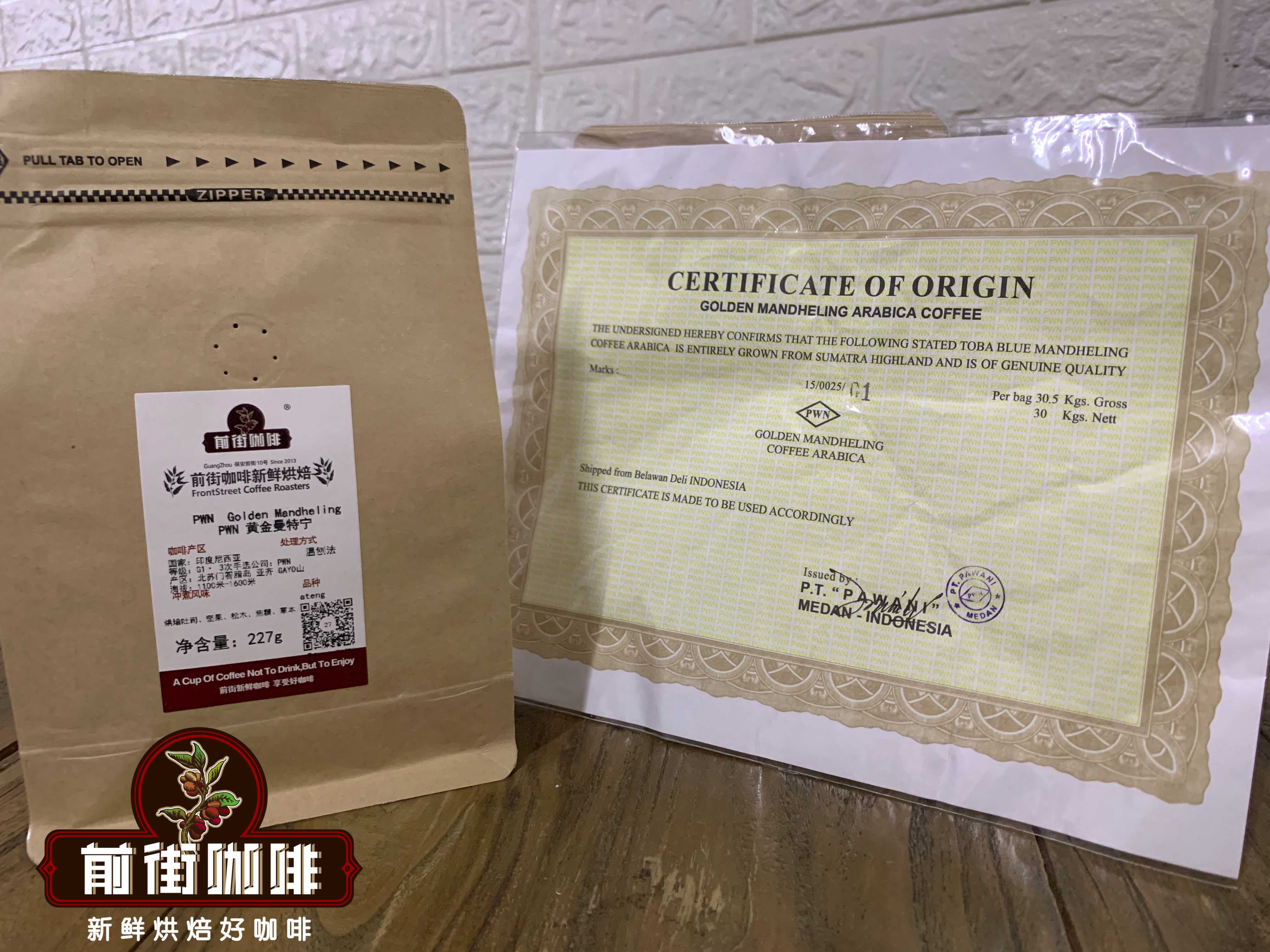
If you’d like to experience the unique charm of wet hulling coffee firsthand, it is recommended to start with high-grade Indonesian Golden Mandheling. This premium bean variety from northern Sumatra is widely appreciated for its full-bodied taste and low acidity after medium to dark roasting, making it especially suitable for coffee lovers who do not prefer prominent fruity acidity.
PWN Golden Mandheling coffee beans are grown in Gayo Mountain, North Sumatra, at altitudes ranging from 1100 to 1600 meters. The variety is Ateng, processed using the wet hulling method, and selected under the strict G1 grade. The beans undergo three rounds of hand sorting to ensure uniform size and a low defect rate. It is important to note that "Golden Mandheling" is a registered trademark of the Pawani company, and only products exported by them can be correctly labeled as PWN with certification. Consumers should check for the PWN logo on the jute sack or request the trademark certificate when purchasing to avoid buying non-authentic products.
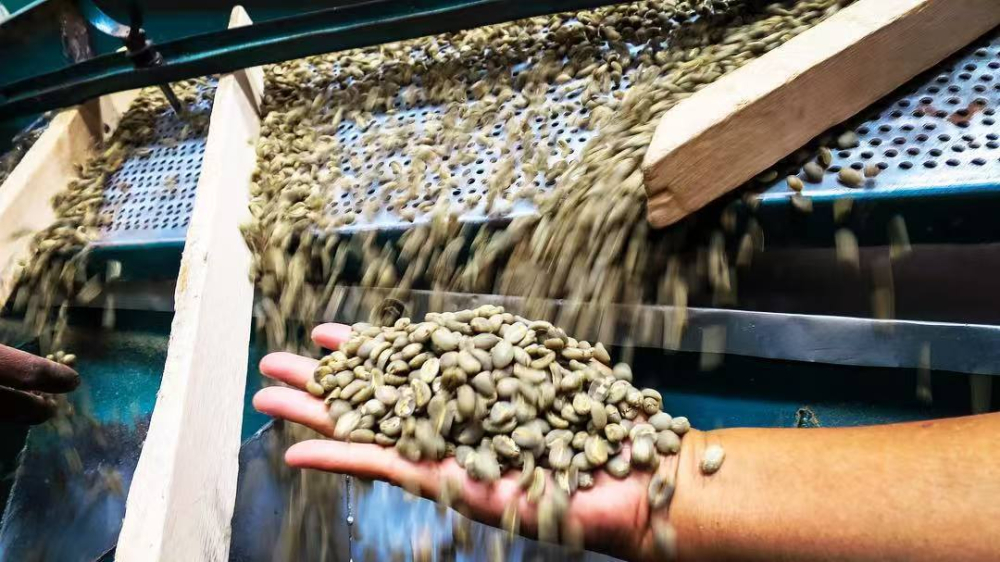
The reason PWN Golden Mandheling can deliver such a clean and full-bodied flavor lies in its rigorous quality control process. In addition to mechanical screening, each batch of beans undergoes three rounds of manual sorting to effectively eliminate defective and off-color beans, ensuring consistent final output. This high standard of processing and selection is also what sets it apart among the many Indonesian Mandhelings.
In terms of roasting, since PWN Golden Mandheling consists of green beans with relatively high moisture content, special attention should be paid to heat control during the drying phase. The initial roaster temperature can be set to 200°C, with the fan at level 3. After about 1 minute, reduce the heat to 160°C until the bean surface turns yellow and the grassy aroma fades. Then gradually adjust the fan speed and heat until the first crack begins (around 204.5°C when dropping the beans), achieving a balanced and rich aromatic profile. It is recommended to meticulously record parameters such as moisture content, density, and ambient temperature and humidity, as this helps establish a stable roasting curve.
For brewing, the KONO filter cone is recommended. Its straight rib design offers slightly lower exhaust efficiency but effectively prolongs the water-to-coffee contact time, making it ideal for extracting a full-bodied and rounded taste. Suggested parameters: 15 grams of coffee, 1:15 coffee-to-water ratio, 88°C water temperature, and medium-coarse grind (approximately 65% through a #20 sieve). Begin with a 30-second bloom using 30 grams of water, then pour in stages to reach 125 grams and 225 grams. Total brew time should be controlled to around 2 minutes to fully highlight its layered flavors of nuts, chocolate, and caramel.
In summary, Indonesia’s wet hulling method is not only an environmentally adaptive and ingenious process but also a key element in shaping the flavor profile of Mandheling. From the formation of goat hoof beans to the meticulous selection and roasting of PWN Golden Mandheling, every step influences the final cup. If you’re a pour over coffee enthusiast, gaining a deeper understanding of this method will bring a new dimension to your tasting experience.
The above content is compiled by CoffeeHunters, a coffee news website.


