








Introduction:Ethiopia’s Yirgacheffe is globally recognized by specialty coffee enthusiasts as a benchmark-producing region, renowned for its refreshing floral and citrus notes. This article delves into the two most representative processing methods in the region—washed and natural—exploring their flavor profiles, processing procedures, and ideal brewing methods. It helps readers identify the unique characteristics of each method and understand how freshness impacts coffee aroma. Whether you’re a beginner or an advanced coffee lover, you’ll find practical guidance here.
As a genetic treasure trove of coffee, Ethiopia’s Sidamo and Yirgacheffe regions are especially famous for their distinctive flavors, making them top choices for many coffee newcomers. Yirgacheffe coffee beans often exude pronounced jasmine, lemon, and citrus aromas, along with a hint of tea-like subtlety. This flavor profile primarily stems from the region’s high altitude, meticulous washed processing, and the commonly used light roasting approach.
Historically, Yirgacheffe did not originally employ modern washed techniques but instead relied on the traditional natural processing method. It wasn’t until 1972, when Ethiopia introduced washed processing technology from Central and South America, that the now-familiar bright and clean flavor profile began to take shape. The hallmark of the washed method lies in its use of fermentation and washing steps to remove pulp and impurities, resulting in a clearer “intrinsic” flavor with bright and layered acidity. In contrast, the natural method retains more fruit sugars and fermentation characteristics, often delivering intense sweetness and complex fruit tones.

If you prefer coffee with clear acidity and a clean mouthfeel, we recommend trying beans processed using the traditional washed method. These coffees are generally medium-light roasted, highlighting the unique citrus, floral, and delicate tea-like qualities of the Yirgacheffe region. They are ideal for those who seek expressive acidity and layered flavors. The washed method effectively minimizes interference from impurities, making each flavor more linear and easily identifiable—an excellent starting point for beginners to understand regional characteristics.
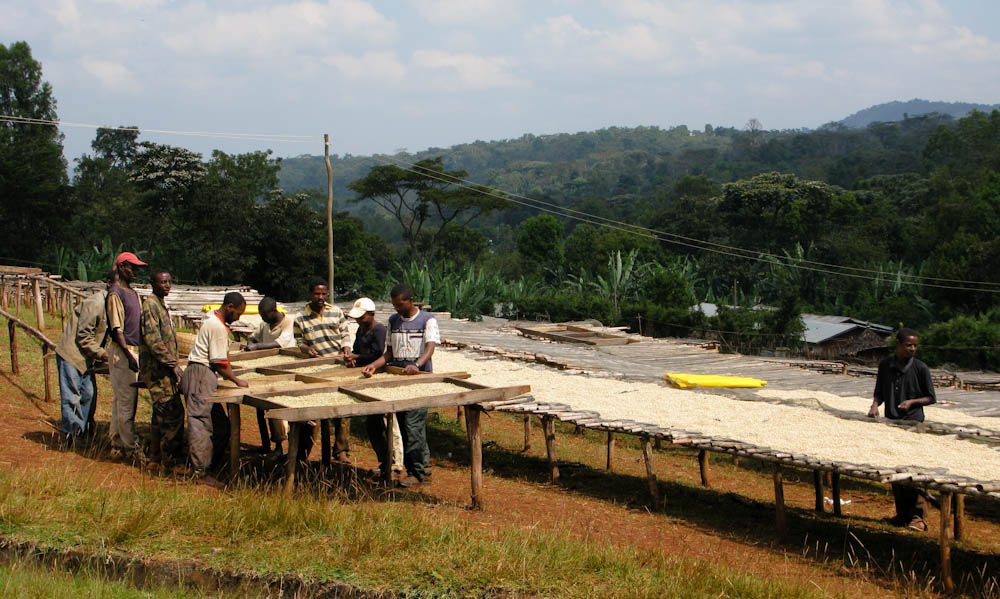
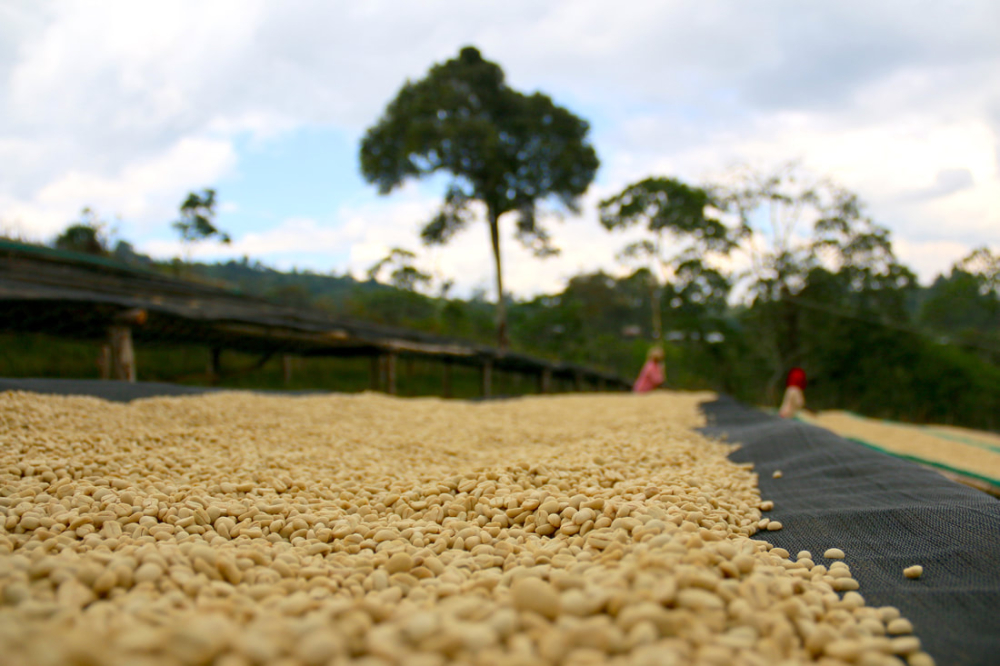
On the other hand, readers who enjoy rich fruitiness and full-bodied textures may want to opt for naturally processed coffee beans. This method involves placing whole coffee cherries on drying beds and slowly sun-drying them, typically until the moisture content is reduced to between 35% and 45% before hulling. This process not only preserves the natural sugars in the fruit but also promotes diverse fermentation reactions, resulting in complex aromas such as berries, cream, and chocolate.
When tasting, naturally processed Yirgacheffe often showcases bright acidity reminiscent of red fruits like strawberries and berries, accompanied by a soft creamy texture and subtle fermentation notes. Its body and sweetness are noticeably higher than the washed version. Additionally, these coffees offer greater flexibility in brewing methods—whether it’s pour over, drip bags, French press, cold brew, or even ice drip, each method can highlight different layers and personalities.
Regardless of which processing method you choose, the “freshness” of the coffee is a key factor influencing its aromatic performance. Generally speaking, coffee beans reach their peak flavor window within 4 to 45 days after roasting. Beyond this period, both aroma and acidity gradually decline, and even the most precise brewing techniques can’t fully restore them. Therefore, we recommend that consumers pay attention to the roast date when purchasing and enjoy the coffee within its freshness window to experience its truest charm.
In summary, Yirgacheffe has become a flagship specialty coffee region worldwide precisely because it showcases the pinnacle of both washed and natural processing methods. By understanding the fundamental differences between these two techniques, readers can not only select coffee that better suits their taste preferences but also gradually develop a keener sensitivity to flavor profiles during tasting, further enhancing the joy of exploring the world of coffee.
The above content is compiled by CoffeeHunters, a coffee news website.


