







Introduction:Indonesia is a globally renowned coffee-producing region, and Mandheling is often the first choice for many to explore the world of dark roast flavors. This article delves into the characteristics of Indonesia’s major coffee-growing regions, explores the origins of the Mandheling variety, analyzes how the wet hulling process contributes to its low acidity and rich body, and provides practical brewing parameters for both the KONO filter and moka pot to help you master the key flavor profiles and brewing techniques of this classic bean.
Indonesia is not only one of the world’s most important coffee producers but also the birthplace of several iconic coffee flavor profiles. Among them, Mandheling and the legendary Kopi Luwak both originate from these tropical islands. Known for its full body, low acidity, and intense aroma, Mandheling offers a solid mouthfeel with pronounced bitterness, making it especially popular among coffee enthusiasts who prefer dark roasts and bold flavors. This article will take you through Indonesia’s coffee development history, main growing regions, the characteristics of the Mandheling variety and the wet hulling process, and provide useful pour-over and moka pot brewing guidelines to help you better appreciate the charm of this classic coffee.
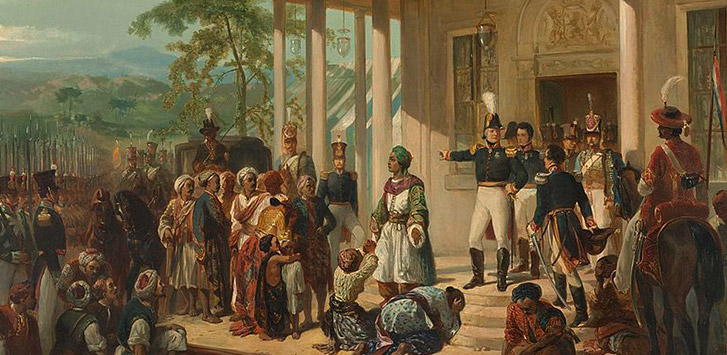
The history of Indonesian coffee dates back to the 17th century when the Dutch East India Company introduced Arabica coffee seedlings to Java in an attempt to break the Arab monopoly on the coffee trade. Subsequently, coffee cultivation gradually expanded to Sumatra, Sulawesi, Bali, and Timor, making Indonesia one of the earliest regions in Asia to engage in large-scale coffee farming. In 1876, a severe outbreak of coffee leaf rust nearly wiped out the traditional Typica variety, leading to the gradual replacement by Robusta due to its strong disease resistance—today, Robusta still accounts for about 85% of the country’s total production. Currently, over 90% of Indonesia’s coffee is grown by smallholder farmers, typically on plots smaller than one hectare per household, which has also contributed to a diverse range of flavor expressions.
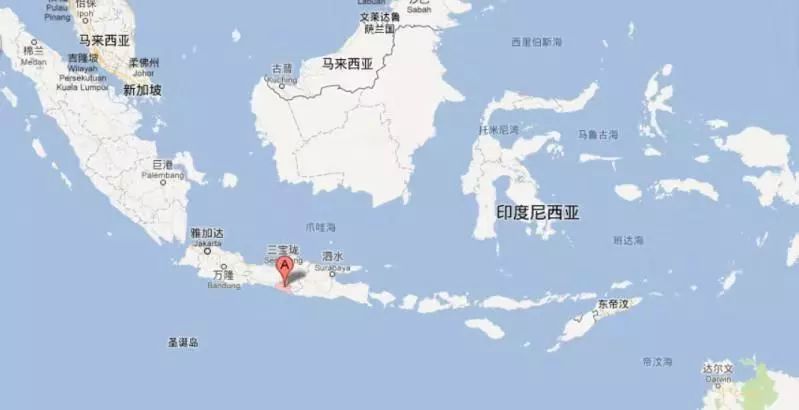
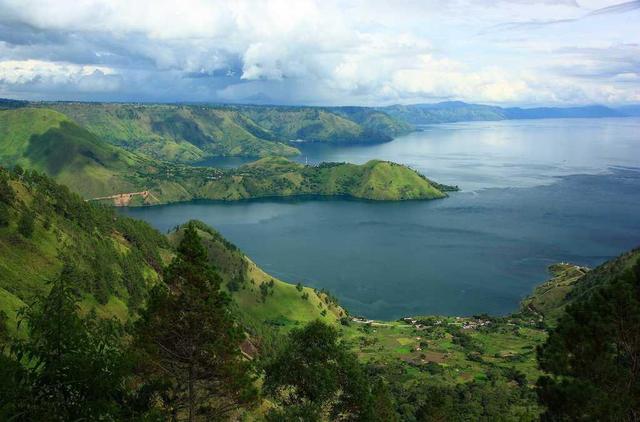
Composed of numerous islands, Indonesia’s diverse geography and climate offer unique conditions for coffee cultivation. The country features many highlands and volcanic terrains with generally high altitudes, as well as fertile volcanic soil and abundant rainfall, creating particularly favorable environments for Arabica growth. Among these, Sumatra is the primary producing region, with Mandheling from the regions of Lintong, Lake Toba, and the Gayo Highlands being the most famous. The Gayo Highlands, situated at elevations of 1,500 to 2,500 meters, are predominantly farmed organically without chemical fertilizers by local farmers, hence the coffee produced here is often referred to as "green coffee" or "Gayo organic coffee," known for its clean and distinctive regional flavor profile.
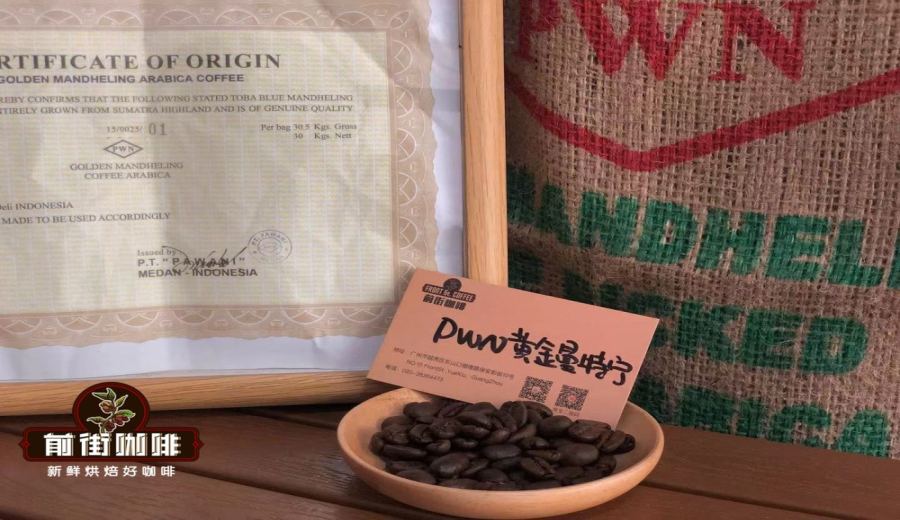
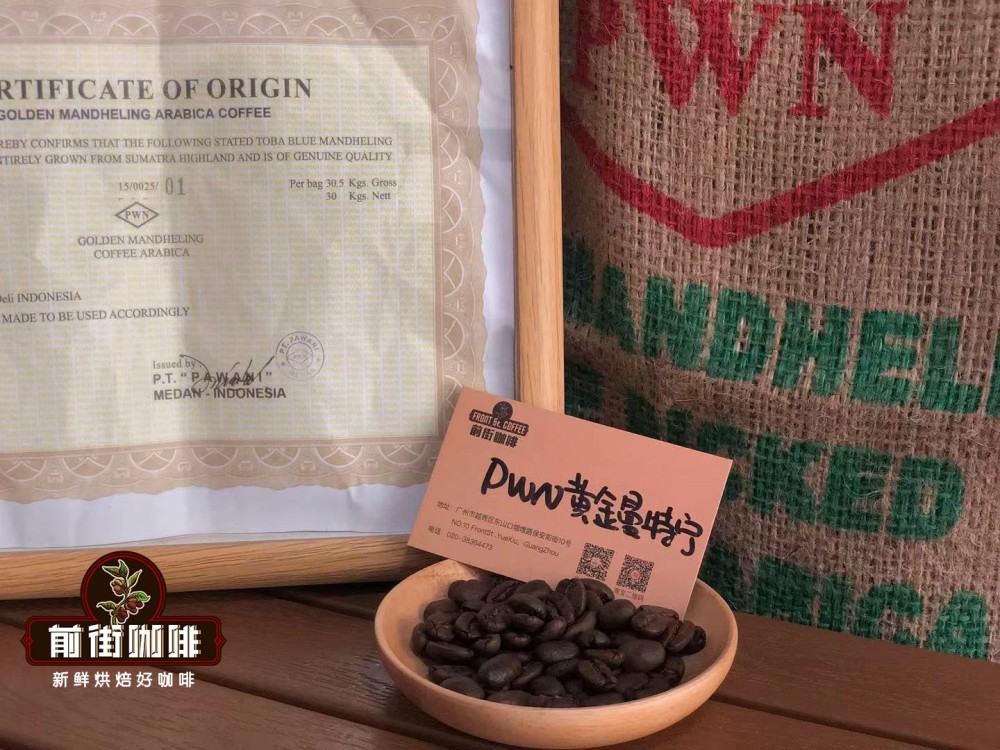
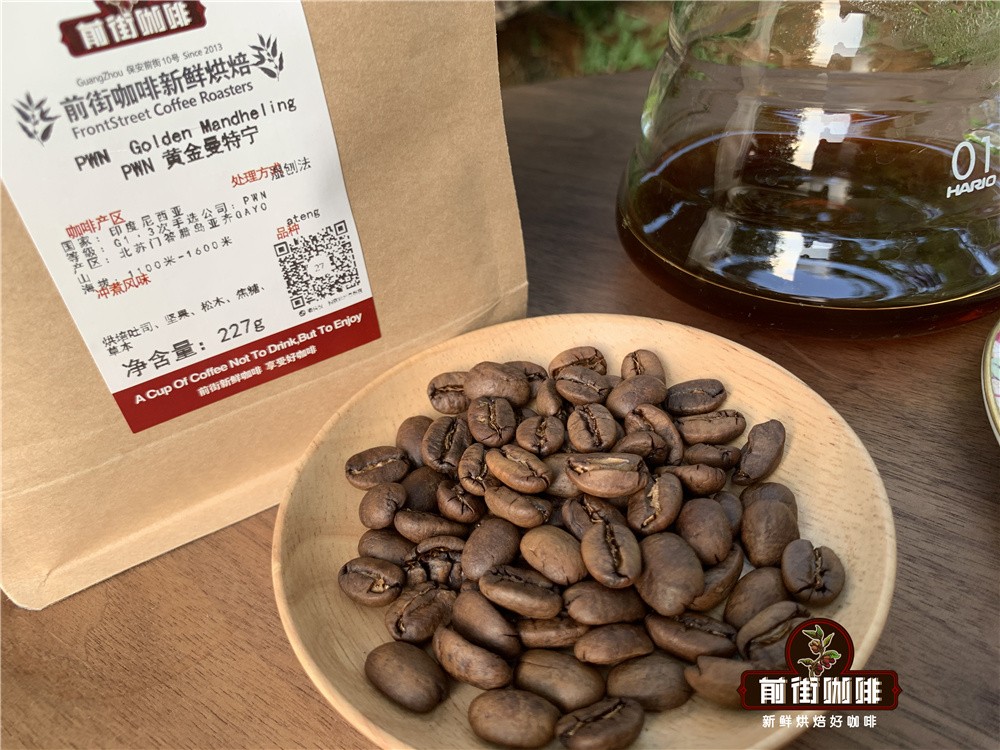
Indonesia’s coffee grading system is mainly based on the number of defective beans and bean size, commonly ranging from G1 to G6—with a lower number indicating higher quality. Before export, beans typically undergo manual hand sorting to remove defective ones. Among these, G1 is the highest grade, featuring the lowest defect rate, uniform bean size, and intact appearance. For instance, certain brands’ Lintong Mandheling and PWN Gold Mandheling both belong to the G1 grade. It’s worth noting that "Gold Mandheling" is not a regional name but rather a product launched by the renowned Indonesian green coffee trader PWN. After undergoing three rounds of hand sorting and one machine sorting to select beans with top-tier appearance and flavor, the resulting coffee is known for its uniform color and extremely low defect rate. It has since been registered as a trademark and become a widely recognized symbol of high quality in the market.
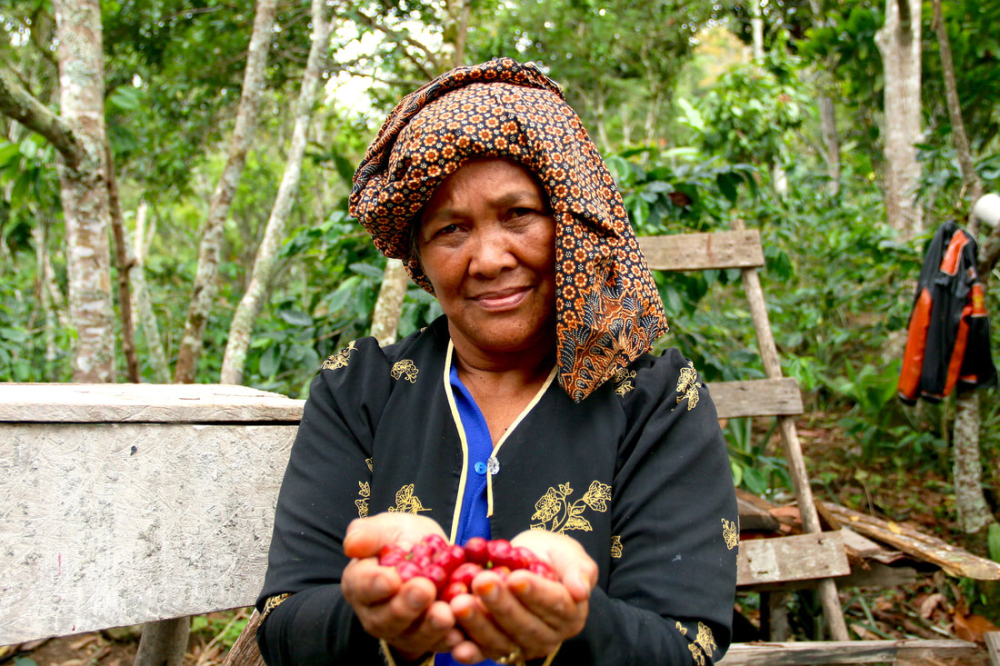
A significant part of Mandheling’s unique flavor profile comes from its traditional "wet hulling process" (known as Wet Hulling in English and Giling Basah in Indonesian). This method was developed primarily in response to Indonesia’s hot, humid climate and limited sunlight. Unlike traditional washed or natural processes, wet hulling involves removing the coffee bean’s outer parchment layer while the beans are still in a semi-dry state (with a moisture content of approximately 30–50%), thereby accelerating the drying process. However, because the beans are softer at this stage, they are more prone to damage during hulling, often resulting in distinctive "elephant foot" impressions at the ends—this is normal and not considered a defect. The wet hulling process imparts to Mandheling its signature low acidity, full body, bold richness, and unique earthy aroma, all of which define its most prominent flavor traits.
For brewing Mandheling, it is recommended to use the KONO filter for pour-over. The rib design and smooth interior of the KONO filter help slow down gas release and extend extraction time, fully highlighting the rich and layered mouthfeel of Mandheling. Suggested parameters are as follows: use 15 grams of coffee grounds, a 1:15 coffee-to-water ratio (you may adjust to 1:13 for a stronger brew based on personal taste), grind size around 75% passing through a #20 sieve, and water temperature controlled at approximately 88°C. Use a three-stage pouring method: start with a 30-gram bloom for 30 seconds to degas; then pour in water up to 125 grams and pause; continue pouring until reaching 225 grams before stopping, with a total extraction time of about 2 minutes. This approach balances the flavors, bringing out Mandheling’s notes of spice, nuts, caramel, and chocolate.
In terms of actual tasting, Lintong Mandheling often exhibits a balanced profile of herbs, chocolate, and caramel; whereas Gold Mandheling tends to be cleaner and brighter, with distinct notes of nuts, spices, licorice, and dark chocolate, along with a more pronounced sweetness. If you prefer a simpler brewing method, the moka pot is also a great option. Simply fill the coffee chamber about nine-tenths full, tamp gently, heat over medium heat until you hear a hissing sound, then reduce to low heat. Once the sound changes to a bubbling noise, turn off the heat—you’ll get a cup of Mandheling with rich crema, bold intensity, and a deep roasted aroma, perfect for enjoying casually at home.
The above content is compiled by CoffeeHunters, a coffee news website.


