







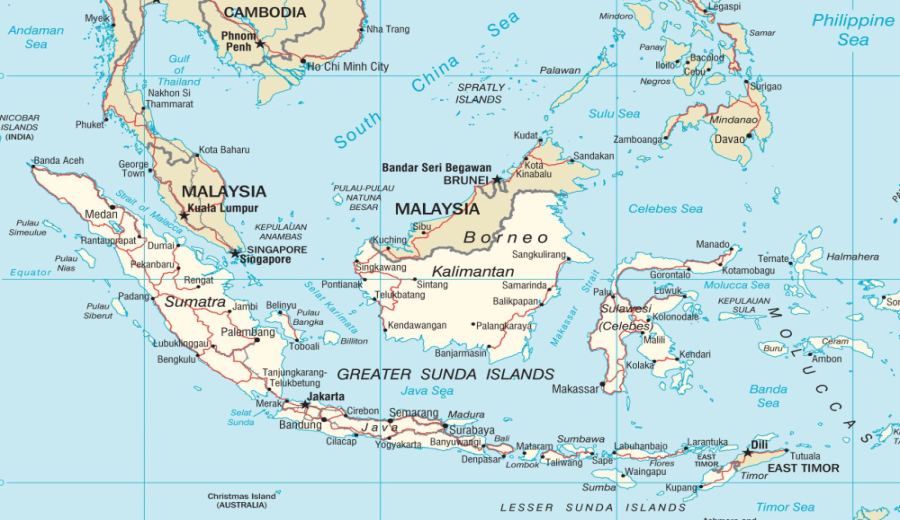
Introduction:Delve into Indonesia’s coffee map, an archipelagic nation of thousands of islands, exploring everything from the classic Sumatran Mandheling to the niche Flores and Papua beans. This comprehensive guide breaks down the unique terroirs and flavor profiles of five major producing regions. Not only does it introduce specialty items like Mandheling G1, peaberry, long berry, and aged beans, but it also takes you through the history and processing characteristics of regions such as Java and Toraja—making it a practical guide for pour over enthusiasts and coffee bean buyers alike.
Comprising over 17,000 islands and straddling the equator, Indonesia is one of the world’s key Arabica coffee-producing regions. From the bold richness of Sumatra to the historical depth of Java and the high-altitude freshness of Papua, each region boasts irreplaceable flavor traits. Starting with the origin of the name “Mandheling” and regional distribution, this article takes you on a journey through Sumatra, Java, Toraja, Papua, and Flores—the five major coffee-producing areas—offering in-depth insights into their terroirs, processing methods, and representative bean varieties. It also covers specialty offerings including G1, PWN Golden Mandheling, peaberry, long berry, aged beans, wild civet, and treasure beans, helping you fully grasp the essence of Indonesian coffee.
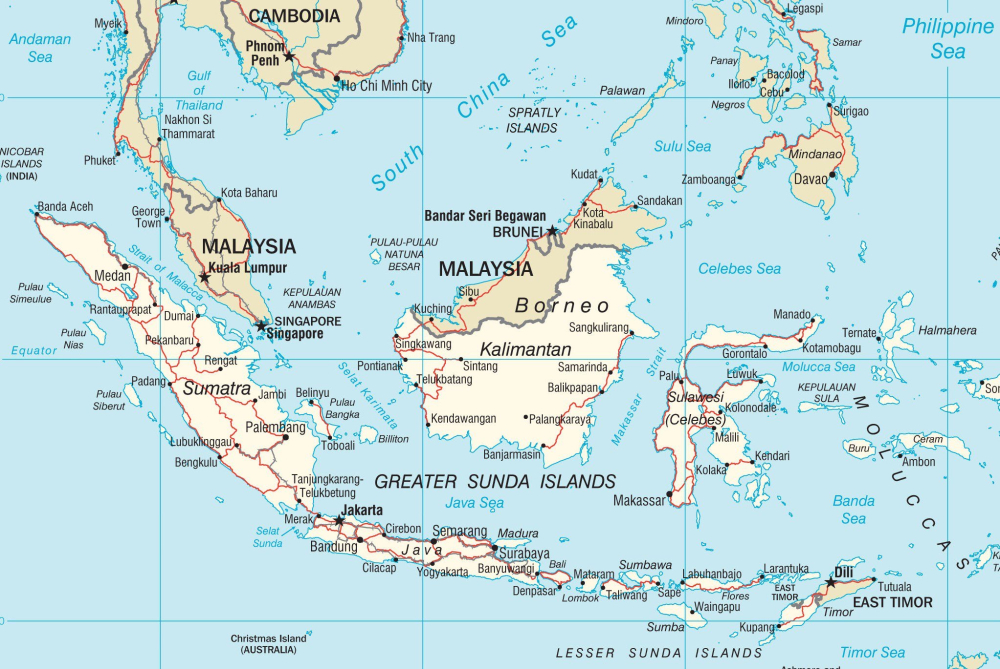
The charm of Indonesian coffee lies not only in its geographical diversity but also in its deep ties to local history, ethnic culture, and traditional processing methods. For instance, many locals brew coffee without using paper filters or filter cones, instead drinking the coffee liquid complete with fine coffee grounds. They believe this method brings them closer to the essence of coffee—much like savoring life itself, where careful chewing and slow tasting are required to appreciate its layers.
I. Mandheling Coffee: The Soul of Sumatran Coffee
When it comes to Indonesian coffee, “Mandheling” is undoubtedly the most iconic name. In fact, the term “Mandheling” does not originate from a coffee variety but was mistakenly used by a Japanese soldier during World War II to refer to the ethnic group living on the highlands of northern Sumatra. Later, this soldier brought the richly flavored coffee back to Japan, propelling “Mandheling” to fame and making it synonymous with Sumatran coffee.
Mandheling is primarily grown around Lake Toba in northern Sumatra and the Gayo Highlands in Aceh Province. Well-known producing areas include Lintong Nihuta, Sidikalang, Dolok Sanggul, and Takengon. These high-altitude regions (typically above 1200 to 1600 meters) endow Mandheling with its distinctive profile: bold, low-acid, full-bodied flavors with herbal and spicy notes.
The commonly available Mandheling G1 is the highest-grade bean, meticulously handpicked, featuring a rich and bold taste with subtle sweetness and mild acidity—ideal for coffee lovers who prefer dark roasts. Among them, PWN Golden Mandheling stands out as the crème de la crème of specialty beans, often showcasing layered aromas of caramel, dark chocolate, roasted hazelnuts, and spices, with a smooth and mellow mouthfeel—it’s considered an ultimate delicacy by many professionals.
Beyond regular flat beans, Mandheling peaberry is another highly regarded offering. Peaberries consist of a single seed rather than the usual two, absorbing more nutrients and typically exhibiting higher-intensity flavors. They often present herbal and brown sugar aromas, with a steady mouthfeel and a long-lasting aftertaste. Meanwhile, Takengon long berry (also known as horse-face Mandheling) is a Typica variant grown only at elevations above 1600 meters in specific farms. It has a slender appearance, sweet aroma, balanced taste, and an aftertaste that subtly blends hazelnut and plum acidity.
Additionally, aged Mandheling undergoes long-term maturation in a controlled, high-humidity environment (usually 3 to 5 years), transforming its acidity into a softer profile, significantly enhancing its body, and deepening its flavors into something more rounded and profound—an experience unmatched by new-crop coffees. Wild civet coffee, meanwhile, comes from coffee cherries carefully selected and digested by civets, then excreted. Due to protein breakdown, its bitterness is greatly reduced, resulting in intense aromas and prominent sweetness. However, due to its rarity, it commands a high price—and when purchasing, be sure to verify if it's genuinely from a “wild” source.
As for treasure beans (Jumbo), they are large beans (19+ mesh size) carefully re-selected from G1 lots, offering even richer aromas, consistent quality, and nearly zero defects—making them an extremely rare and premium-grade Mandheling.
II. Java Coffee: Dutch Colonial Legacy and Aged Charm
Before Mandheling rose to prominence, Java coffee was once the most representative of Indonesia. Produced on the island of Java, particularly in West Java, its history dates back to the 17th-century Dutch colonial period. Back then, Java coffee naturally fermented during long voyages by sailboat, developing a unique aged flavor. Even as transportation speeds increased, many coffee aficionados remain devoted to this time-refined aged Java—characterized by low acidity and intense aroma.
Today, Java coffee is mostly concentrated in the Ijen Plateau of East Java. Many large estates continue traditional cultivation and processing methods, making it a must-visit region for coffee lovers who appreciate historical flavors and stable profiles.
III. Toraja Coffee: Highland Boldness from Sulawesi
Toraja coffee hails from the Tana Toraja highlands in central Sulawesi Island (formerly known as Celebes). This area is inhabited by the distinctive Toraja people, whose villages are often built in hard-to-reach highlands to fend off invaders. Toraja coffee is usually processed using the wet-hulled method, resulting in low acidity, a full body, and soft fruity tones, often finishing with a caramel-like sweetness—making it an ideal choice for those who enjoy bold flavors without excessive heaviness.
IV. Papua Coffee: Clean Boldness from Pristine Rainforests
Papua Island (also called Irian Island) lies at the easternmost tip of Indonesia, characterized by mountainous terrain and pristine rainforests, with a hot and rainy climate. Coffee is mainly grown at elevations of 1300 to 1800 meters on the plateau. Similar to Mandheling in its intensity, Papua coffee offers greater clarity and a fresher sweetness, leaning toward the cocoa and chocolate profiles typical of American beans. It suits drinkers seeking well-defined layers and a clean aftertaste.
V. Flores Coffee: Subdued Boldness in Volcanic Terrain
Flores Island, located southeast of Bali, is famed for its mountainous landscape and active volcanoes. The coffee grown here is mostly the TIM-TIM variety (a natural cross between Arabica and Robusta). Though it carries earthy notes and slightly lower clarity, it excels in body and sweetness—especially as caramel sweetness becomes more pronounced at lower temperatures. It’s a worthwhile option for coffee enthusiasts who enjoy understated, steady flavors.
This article has yet to cover other important Indonesian regions such as Kalimantan (Borneo), Bali, and East Timor. More in-depth regional features will be introduced in the future based on demand.
Lastly, we recommend a highly cost-effective entry-level choice—a certain coffee brand’s house-roasted West Java honey-processed coffee. A half-pound (227g) pack is about 118 RMB, with each cup costing less than 7 RMB, making it perfect for daily pour over enjoyment and an accessible way to experience the charm of Indonesian coffee.
The above content is compiled by CoffeeHunters, a coffee news website.


