







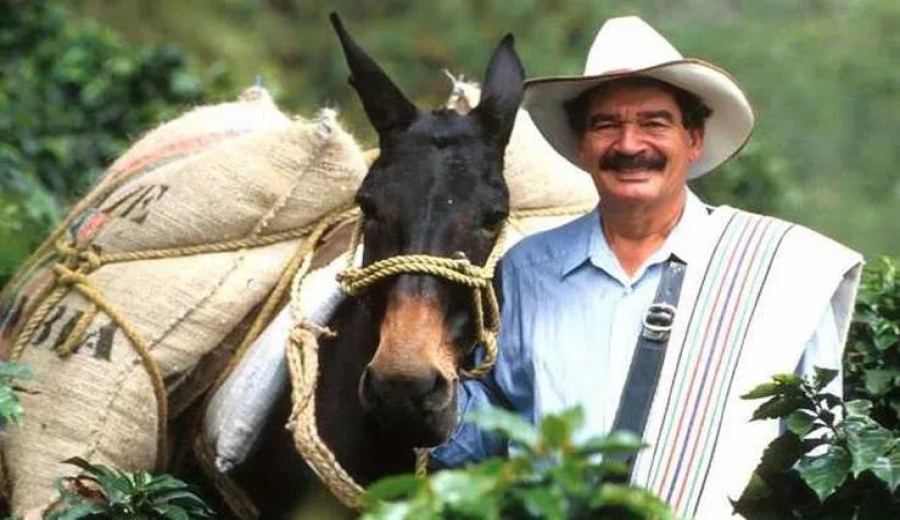
Introduction:Colombian coffee is renowned for its classic "Juan Valdez" logo, but behind this iconic image lies a diverse array of growing regions and exquisite processing techniques. This article delves into Colombia’s coffee grading system, the geographical advantages of the Huila region, and offers pour over recommendations for washed beans with medium-dark roasting—covering everything from grind size to water temperature control—to help you fully experience the classic nutty and chocolatey notes of Colombian coffee.
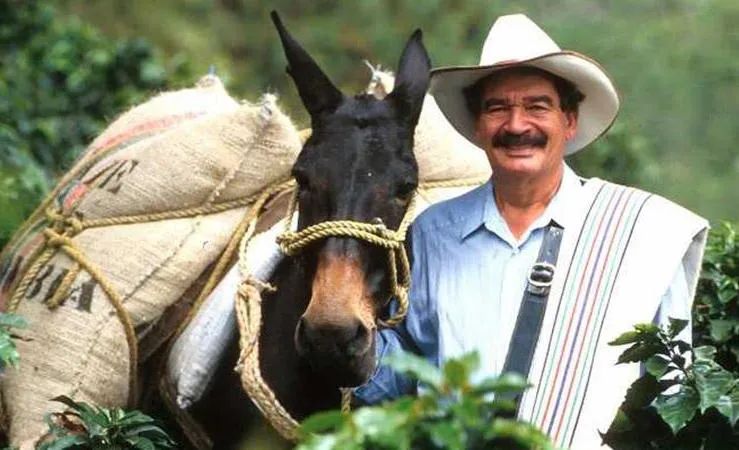
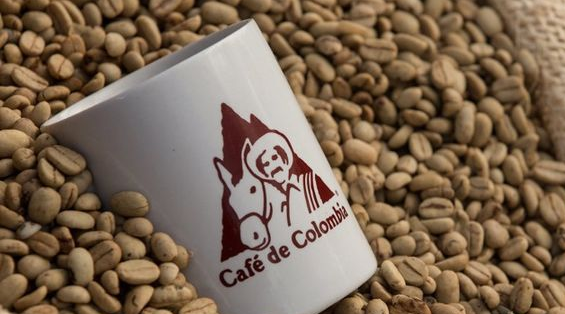
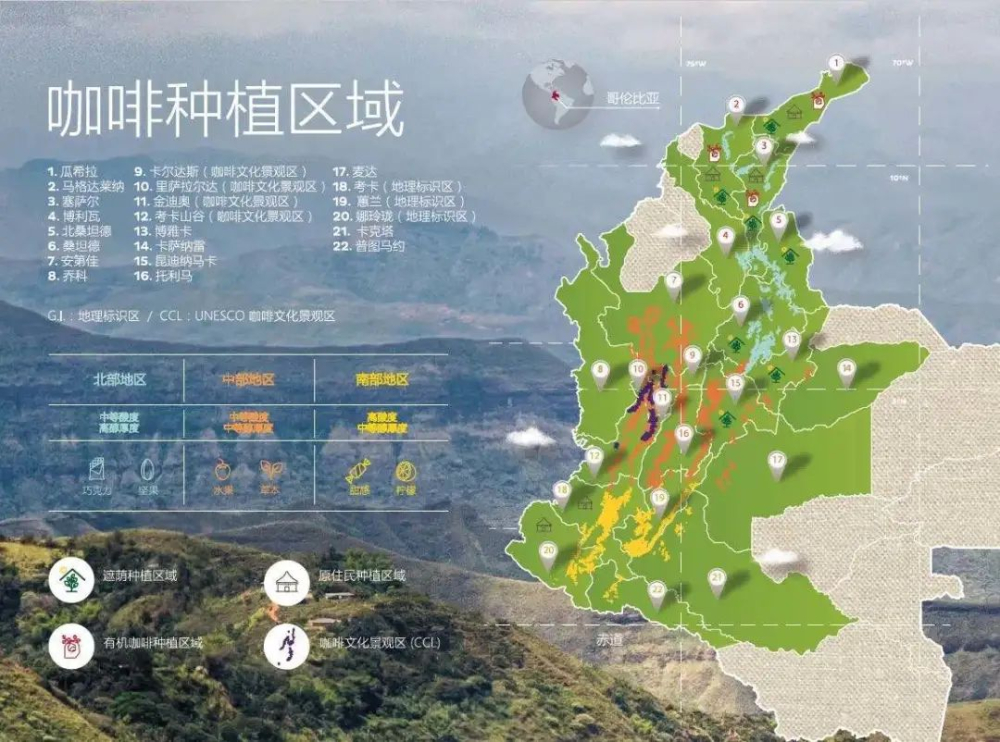
When it comes to Colombian coffee, many people immediately think of the iconic image of Juan Valdez: a man wearing a traditional hat and clothing, carrying a leather satchel on his shoulder, with a mule by his side. This deeply ingrained image has become the best international ambassador for Colombian coffee. Colombia’s coffee-growing regions span the Andes Mountains and are divided into three major areas—northern, central, and southern—based on the mountainous terrain. Due to significant differences in altitude and climate, the country enjoys multiple harvest seasons throughout the year and a diverse range of flavor profiles.
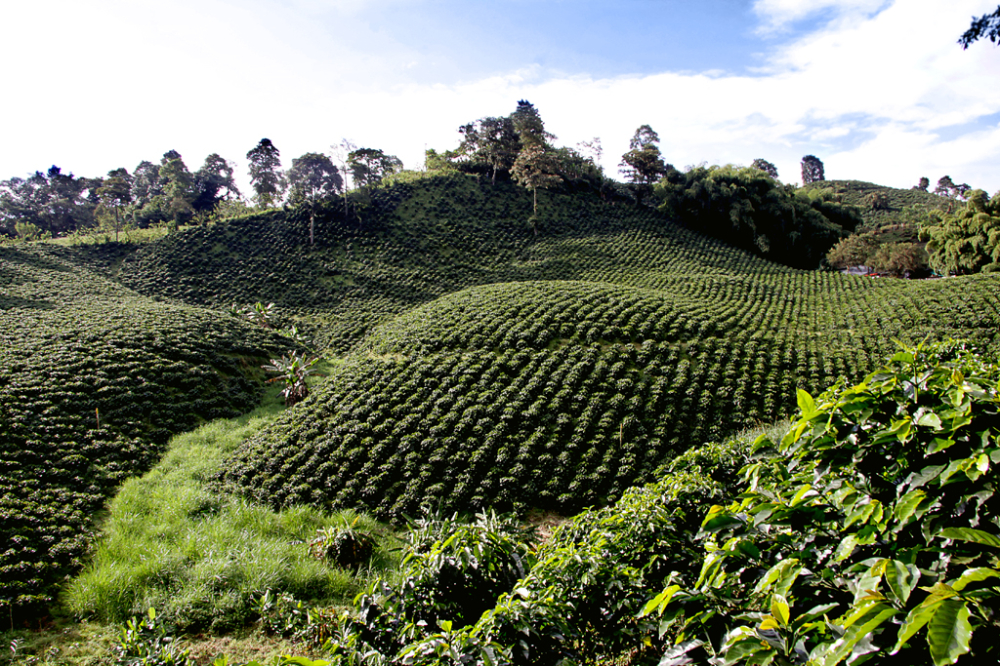
Colombia’s terrain is highly varied: the eastern part consists of low-altitude tropical rainforests, while the central and southern mountainous regions range between 1,000 and 2,000 meters in elevation, featuring a subtropical climate. The average temperature remains between 18°C and 22.5°C, which is ideal for growing Arabica coffee. These natural conditions enable the country to produce not only rich and rounded coffees but also bright, vibrant, and fruity flavor profiles, catering to the preferences of different coffee enthusiasts.
Colombia’s coffee-producing regions are mainly divided into three blocks: northern, central, and southern. Among them, the central region, due to its geographical location, often has two main harvest periods: the "main harvest season" from October to January and the "secondary harvest season" from April to July each year. This dual-harvest characteristic ensures that Colombia has fresh coffee available for harvest and export almost year-round, making it possible to find Colombian coffee from different periods on the market throughout the year.
In the past, representative brands of Colombian coffee were often known as the "MAM" trio, referring to the regions of Medellín, Armenia, and Manizales. However, with the rise of the specialty coffee trend, high-altitude regions in the south—such as Huila, Cauca, and Nariño—have gradually emerged as stars. These areas, with their higher altitudes, cooler climates, and unique post-harvest processing techniques, produce coffees that often feature delicate acidity and bright fruit notes, earning outstanding performances in international competitions like the Cup of Excellence.
After multiple cuppings, we selected a washed coffee bean from the Huila region as the classic Colombian representative recommended to coffee enthusiasts. This bean is available in small packaging, not only making it convenient to purchase but also allowing consumers to easily enjoy the balanced flavors unique to Colombian coffee.
Huila Province is located in the central mountain range of southern Colombia and is one of the country’s renowned specialty coffee regions. Most coffee plantations here sit at elevations above 1,500 meters. The high altitude environment helps coffee cherries ripen slowly, accumulating richer flavor compounds. Coupled with the microclimates formed by the mountainous terrain—which can ward off cold air currents while enjoying cool mountain breezes and abundant rainfall—the region also benefits from fertile soil and ample water sources, providing ideal growing conditions for Arabica coffee.
Most coffee in Colombia is processed using the washed method, which is closely tied to the region’s abundant water resources. Typically, small-scale farms are equipped with specialized green bean processing equipment (such as Ecomill or Eco-Pulper). After harvesting, the coffee cherries are stripped of their outer skin and pulp by machines, leaving only a small amount of mucilage on the parchment-covered beans. These parchment beans are then left to ferment in small fermentation tanks (such as tile tanks) for about one night, allowing the residual mucilage to break down naturally. They are subsequently rinsed clean with water and spread out on drying patios until they reach the target moisture content. This meticulous processing method helps highlight the purest and most balanced original flavors of the coffee beans, which is also a key reason why we recommend the Huila washed beans.
In addition to traditional washed processing, some Colombian coffee farms have also experimented with fermentation techniques to further enhance the fruitiness and complexity of their coffee. For example, certain special lots are processed using double anaerobic natural methods, imparting bright, juice-like notes reminiscent of passionfruit, grapes, or even blackcurrants. These bold-flavored coffees are also favored by many coffee aficionados.
Colombia’s green coffee beans are primarily graded based on bean size. Although size is not an absolute determinant of flavor, generally larger and more uniform beans indicate more consistent ripeness, which is beneficial for stability and flavor development during roasting. Grading is commonly done using screens such as 17, 15, and 14, with higher screen numbers indicating larger beans.
Common export grades include: UGQ (Usual Good Quality, usually high quality), EP (European Preparation), and Supremo (the highest grade). The UGQ grade requires that most beans be larger than 14 mesh, with over 50% exceeding 15 mesh; the EP grade mandates at least 15 mesh, allowing only a small portion below 15 mesh but not lower than 14 mesh; the Supremo grade further requires bean sizes above 17 mesh, with no more than 5% falling below this standard. For export, most Colombian coffee is labeled as Excelso grade, which is currently the most common international export standard for Colombian green beans.
Additionally, Colombia has higher-specification grades such as Extra (above 16 mesh), Premium (above 18 mesh), and the extremely uniform Minama grade. Beans that do not meet the Excelso standard are typically used for commercial instant coffee and are labeled as "Product of Colombia."
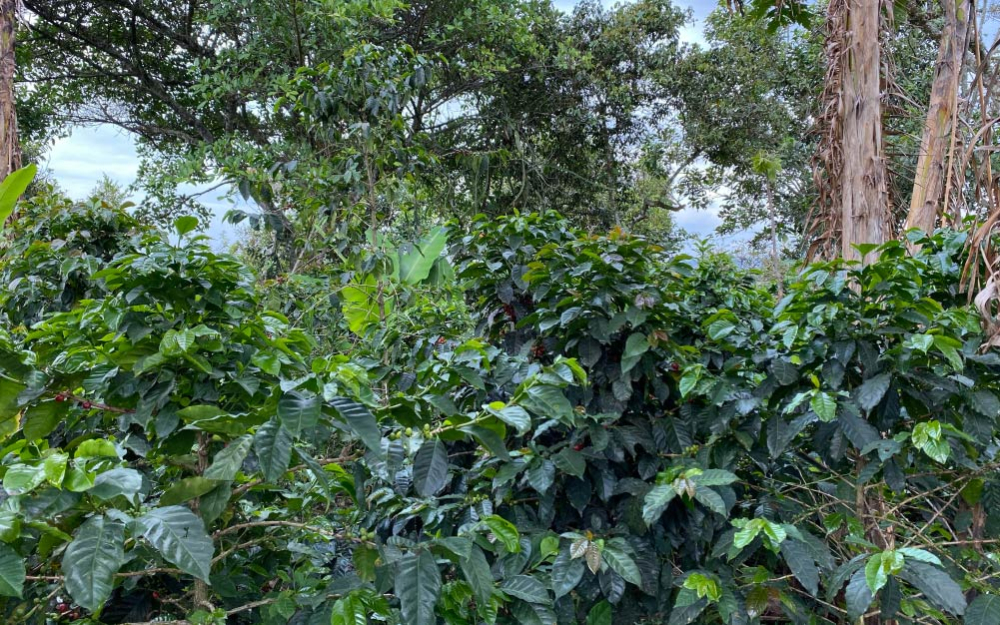
For the washed coffee beans from the Huila region, we opted for a medium-dark roast to showcase its classic flavor profile. This roast level enhances the coffee’s nutty, chocolatey, and caramel notes while retaining moderate acidity and a full body. For brewing, we recommend using a KONO filter, with a water temperature of 88°C, a 1:15 coffee-to-water ratio, and a grind size of approximately 20 mesh with 75% passing rate (equivalent to EK43s setting 10.5).
Specifically, start by placing 15 grams of coffee grounds into the filter, then perform a 30-second bloom with twice the amount of water (about 30 grams). Continue pouring with a slow, circular motion from the center outward. Pause briefly when the first pour reaches 125 grams. Once the coffee bed has settled halfway, continue pouring until you reach 225 grams to complete the extraction, with the entire process taking about 2 minutes. These parameters help balance body and acidity while reducing any potential bitterness from the medium-dark roast.
The final brewed Huila washed coffee delivers an immediate impression of pronounced chocolate, nut, and caramel aromas. The mouthfeel is smooth and sweet, with a full body and layered complexity. As the coffee cools slightly, subtle fruity acidity emerges, making it an excellent choice for those who enjoy classic Central and South American-style coffee.
The above content is compiled by CoffeeHunters, a coffee news website.


