








Introduction:Many coffee enthusiasts often have questions about the uses and characteristics of blended beans and single-origin beans, especially whether blends can also be used for pour over or if single-origin beans can be used for espresso. This article delves into the principles of blending, the differences between green and roasted blends, the selection and roasting essentials of SOE (Single Origin Espresso), and explores the feasibility of using blended beans for pour over, providing you with a comprehensive understanding of the secrets and practical advice on coffee bean combinations.
With the growing popularity of specialty coffee, both single-origin beans and blended beans have their own loyal followings. Generally speaking, single-origin beans are often used for pour over, while blended beans are mostly used for making espresso to ensure consistent and stable flavor profiles. However, what is the original purpose of blended beans? Can they also be used for pour over? And are single-origin beans suitable for extracting espresso? This article will start by discussing the freshness of coffee beans, helping you understand the fundamental differences between blends and single-origins, analyzing the technical details of green and roasted blending, and exploring the roasting and selection strategies for SOE, while also addressing the common question of whether blended beans are suitable for pour over.
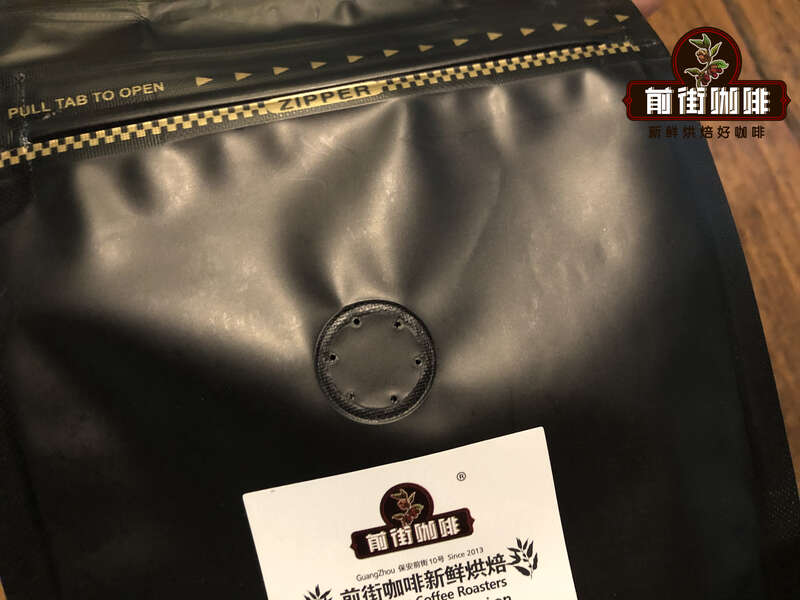
Regardless of whether you choose single-origin or blended beans, the primary concern should be the “freshness” of the coffee beans. It is recommended to always check the roast date (rather than the expiration or best-before date) when purchasing, and prioritize professional roasters with a good reputation who emphasize freshly roasted beans. In addition, high-quality coffee packaging usually comes with a “one-way degassing valve,” the small round hole on the top of the bag, which allows carbon dioxide released by the beans after roasting to escape, preventing the bag from swelling or spoiling. You can gently squeeze the bean bag and sniff the escaping gas near your nose—if you detect a rich and enticing coffee aroma, it means the beans are still fresh. Conversely, if the aroma is weak or carries a rancid smell, it indicates the beans are no longer fresh and not recommended for purchase. It’s important to note that coffee beans will show a significant decline in aroma approximately 50 days after roasting, but the first two days right after roasting are also not ideal for use as the aroma has not yet stabilized.

The so-called “single-origin coffee beans” refer to beans sourced from a single origin, specific region, or even a single farm, capable of showcasing the unique terroir conditions and variety characteristics of that area. For example, some well-known regions such as Guji in Ethiopia can produce coffee with distinct floral and fruity acidity notes. What makes single-origin beans special is that during the procurement process, each batch—or even each individual green bean—is rigorously selected, much like choosing strawberries where only the ripest, sweetest, and softest ones are picked. Thanks to this quality control, single-origin coffee often presents purer aromas, sweetness, and layers, such as floral notes, syrupy textures, and fruit acids, while also reducing the interference of defective flavors, hence they usually come with a relatively higher price tag. Moreover, single-origin beans can be roasted to various degrees, and different roast levels will elicit distinctly different flavor profiles, ranging from bright fruity acids in light roasts to rich caramel tones in dark roasts.
As for “blended coffee beans,” also known as mixed coffee or espresso blends, they are typically made by combining two or more types of beans from different origins in specific proportions. The goal of blending is to combine the strengths of different beans, complementing each other’s flavor shortcomings, thereby creating a more balanced and layered taste. For instance, one bean may have a smooth mouthfeel but lack aroma, and can be paired with another bean that has a prominent fragrance, resulting in a richer overall profile. There are mainly two blending methods: one is to mix different green beans before roasting together, known as “green blending”; the other is to roast them separately and then blend afterward, called “roasted blending.” Each method has its pros and cons, and roasters usually decide the most suitable blending approach based on the characteristics of each bean in the recipe. Either way, as long as the overall flavor harmony is enhanced, it is an acceptable blending strategy.

It’s worth noting that before designing a blend recipe, roasters need to have an in-depth understanding of the flavor characteristics of coffee varieties from around the world, including the unique traits of different regions—for example, beans from Central and South America often carry nutty and chocolatey notes, while African beans frequently exhibit bright fruit acids and floral aromas. These differences directly affect the balance and final flavor expression of the blend. In contrast, single-origin beans emphasize showcasing the unique personality of a single region or variety, thus their flavor profiles are usually more distinct and recognizable.
A common question is: “Can single-origin beans also be used to make espresso, i.e., what we call SOE (Single Origin Espresso)?” By definition, using single-origin beans to make espresso can indeed be called SOE, but in practice, it comes with many challenges. SOE not only needs to showcase the flavor characteristics of a single origin but must also maintain good balance and richness under the high-pressure extraction environment of espresso. If the chosen single-origin beans do not have strong enough flavor characteristics, the resulting espresso may end up bland. Additionally, the control of roast level is crucial—over-roasting can easily erase the origin’s unique flavor, while under-roasting may release too much sharp acidity under high pressure, resulting in an unbalanced and even unpleasant taste. Therefore, the roast profile of SOE often differs from that of the same beans used for pour over, requiring adjustments tailored to the characteristics of espresso extraction to truly highlight the single-origin flavor charm.
As for whether blended beans are suitable for pour over? The answer is yes. Although many people are accustomed to equating blended beans with espresso, blending itself is merely a concept of combining different coffee beans and is not limited to any particular extraction method. In fact, many blended beans can also demonstrate rich layers and harmonious flavors when brewed via pour over, and with the right selection, they can deliver surprisingly delightful flavor profiles. For example, some coffee shops have launched a blend sourced from Ethiopia, Colombia, and Costa Rica. When used for espresso, it can present rose floral notes, berry sweetness, and a rich chocolate finish; and under the pour over method, it can also showcase delicate fruit aromas and a full-bodied, layered mouthfeel.
Furthermore, some blends are designed with specific flavor goals in mind, such as emphasizing sweetness, balancing acidity and bitterness, or creating a rich chocolate and caramel base. Such blends are not only suitable for making espresso but can also, with adjusted grind size and water temperature parameters, offer different profiles when used for pour over. Therefore, there is no absolute incompatibility between blends and pour over—the key lies in adjusting the extraction method according to the beans’ characteristics to unlock their potential flavor profiles.
Lastly, it’s worth mentioning that some blending approaches are actually based on mixing different varieties of beans from the same origin, such as combining around 70% Geisha with 30% Catuaí or Catimor. Though called blends, these are actually aimed at highlighting the characteristics of a specific variety and do not fall under the traditional definition of cross-origin blends. In fact, in many regions, coffee beans are often blended with different varieties to achieve flavor balance—for example, Kenyan beans often mix SL28 and SL34, and Ethiopia also commonly features multi-variety blends of native cultivars. Such “intra-variety blends” can also produce rich flavor variations, although they place more emphasis on regional characteristics rather than the performance of a single variety.

The above content is compiled by CoffeeHunters, a coffee news website.


