







Introduction:Although both espresso and Americano originate from the same extraction method, they form distinctly different flavor experiences due to variations in cultural background and brewing techniques. This article delves into the historical roots of both, starting with the rapid caffeine boost demanded during Italy’s industrial era, explaining how American soldiers “modified” the drink into what we now call Americano. Using actual extraction parameters—such as 9 bar pressure, 92°C water temperature, and the standard process of 20g coffee grounds yielding 40g liquid—as examples, it analyzes how different dilution ratios like 1:8 and 1:4.5 affect flavor, helping you better understand the characteristics and differences between these two classic black coffees.
Walk into a café, and you’ll often hear customers ask: “What’s the difference between espresso and Americano?” They’re both black coffee, made using the same machine, so why are the taste and drinking style so different? In reality, these two classic coffees not only have very different origins, but also distinct flavor profiles and ideal brewing ratios.
Let’s start with the origins of espresso. Back during Italy’s industrialization, busy workers needed a beverage that could quickly perk them up, but traditional brewed coffee took too long. To get a sufficient caffeine kick during short breaks, cafés began using manual pressurization to force a small amount of high-pressure water through a compact layer of coffee grounds—thus, espresso was born. This extraction method, taking about 25 to 30 seconds, uses around 20 grams of coffee grounds to produce approximately 40 grams of concentrated liquid. It’s intense and aromatic, delivering an immediate mental boost in just one sip.

Over time, as people became more particular about coffee quality and flavor, espresso evolved from being just a pick-me-up to a beverage that emphasizes layers and balance. Take the “Warm Sun” espresso blend commonly used in specialty coffee, for example. This blend combines the fruity notes of Ethiopia’s sun-dried red cherry with the richness of Honduras’ sherry cask-processed beans. Using precise 9 bar pressure and 92°C water temperature, 20 grams of coffee grounds yield 40 grams of espresso in 25 to 30 seconds, resulting in whiskey-like aromas, bright acidity reminiscent of strawberries, and a silky texture akin to vanilla cream, with a finish that carries hints of hazelnut and chocolate. However, such an intense flavor might be a bit overwhelming for those unaccustomed to high-concentration coffee, which is why some choose to add hot water to mellow it out—hence the birth of the Americano.
So, where does the name “Americano” come from? Legend has it that during World War II, American soldiers visiting Italy tried espresso for the first time and generally found it too strong and hard to drink. To make it more palatable, they asked the baristas for some hot water to dilute the espresso. This method not only preserved the aroma and intensity of the espresso but also reduced its strength, making it easier to drink—while still allowing for quick service. When the soldiers returned to the United States, they brought this diluted espresso back home, where it gradually evolved into what Americans commonly know as “Americano,” becoming a daily beverage for many.
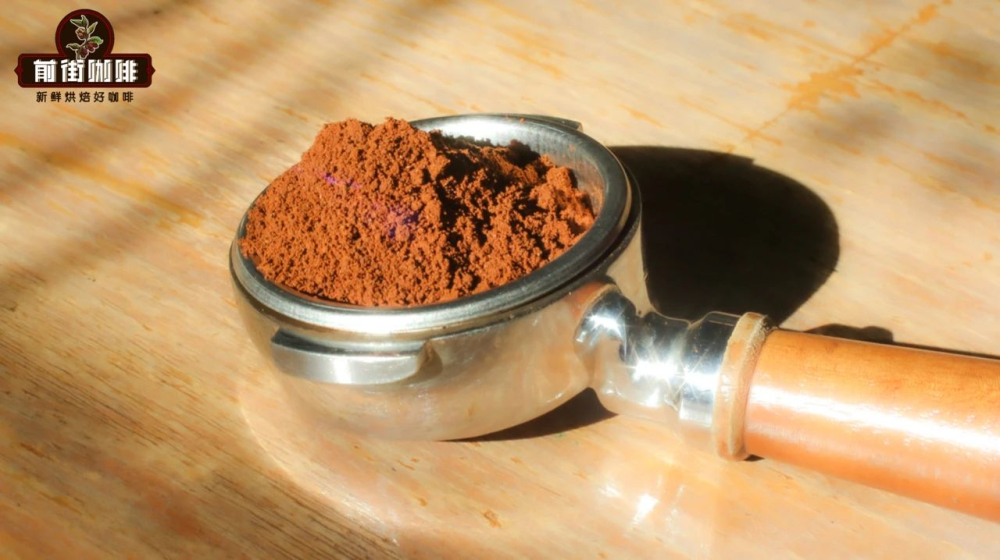
In the professional coffee field, one of the biggest differences between espresso and Americano lies in the “dilution ratio.” Traditionally, Americano is made using a 1:8 ratio—that is, one part espresso mixed with eight parts hot water. This ratio works well for most regular espresso blends, offering a smoother and more approachable drinking experience while retaining the core flavors of the coffee. However, if the espresso itself has a fresher, brighter acidity profile, it’s advisable to adjust the ratio according to the actual situation to avoid over-dilution that could diminish the flavor.
Take the “Warm Sun” blend used by a certain shop as an example. To highlight its wine-like aromas and soft acidity, the shop uses a lower dilution ratio of 1:4 to 1:5, making the flavors more concentrated and layered. Moreover, to avoid bitterness or off-flavors from over-extraction or impurities toward the end of the brew, when preparing espresso intended for Americano, the extraction tail is deliberately cut short—only 35g of liquid is extracted from 20g of coffee grounds—then diluted with hot water at a 1:4.5 ratio. This approach not only reduces the risk of over-extraction but also achieves a better balance among the wine-like notes, berry acidity, and the vanilla, hazelnut, and chocolate undertones in the aftertaste, delivering a smoother overall cup.In summary, although espresso and Americano share the same origin, their differing cultural habits and brewing methods have led to distinctly unique flavors and drinking experiences. Understanding their historical backgrounds, extraction parameters, and optimal dilution ratios can not only help you appreciate these two classic black coffees on a deeper level, but also allow you to find the brewing method that best suits your personal taste preferences.
The above content is compiled by CoffeeHunters, a coffee news website.


