







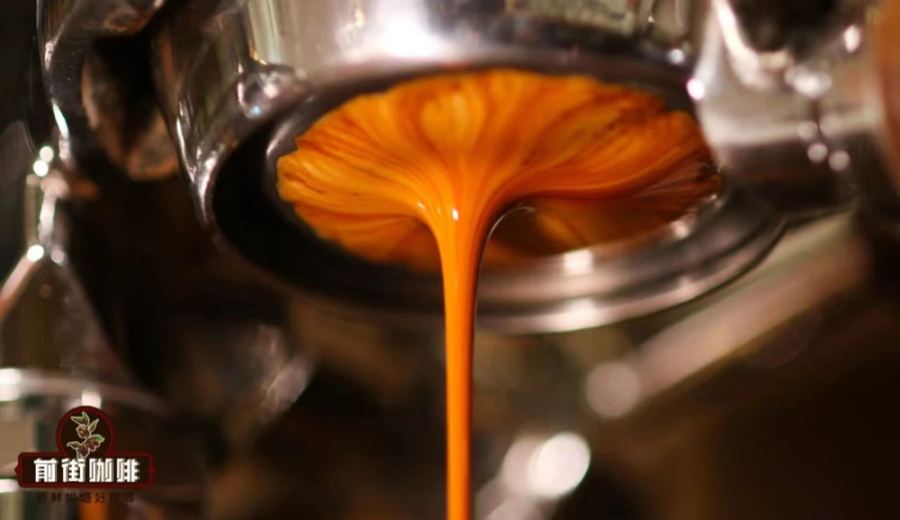
Introduction:Want to understand what true espresso is? In fact, it’s not just a type of coffee bean, but a brewing method that emphasizes high-pressure extraction. This article delves into the bean selection principles for espresso — from classic Mamba blends to single-origin (SOE) espressos, and on to several practical home-brewing recipes — guiding you to master the secrets of crema, sweet-acid balance, and milk pairing, helping you find the cup that suits your taste best.
Espresso is not actually the name of a specific coffee bean, but rather refers to a concentrated coffee brewing method that uses high pressure. Any coffee brewed with an espresso machine — whether it's a single-origin bean or a blend, light roast or dark roast — can be called espresso. The key is that this brewing method amplifies all the flavor characteristics of the coffee many times over, whether it's aroma, sweetness, or even defects, none of which can hide. Therefore, selecting the right coffee beans becomes crucial.
This article will give you a comprehensive understanding of the types of beans suitable for making espresso — from classic Mamba blends to single-origin espressos (SOE), and even several practical home-brewing recipes. Whether you prefer a rich and bold black coffee or a milder flavor with floral and fruity notes, you’ll be able to find the option that suits you best.
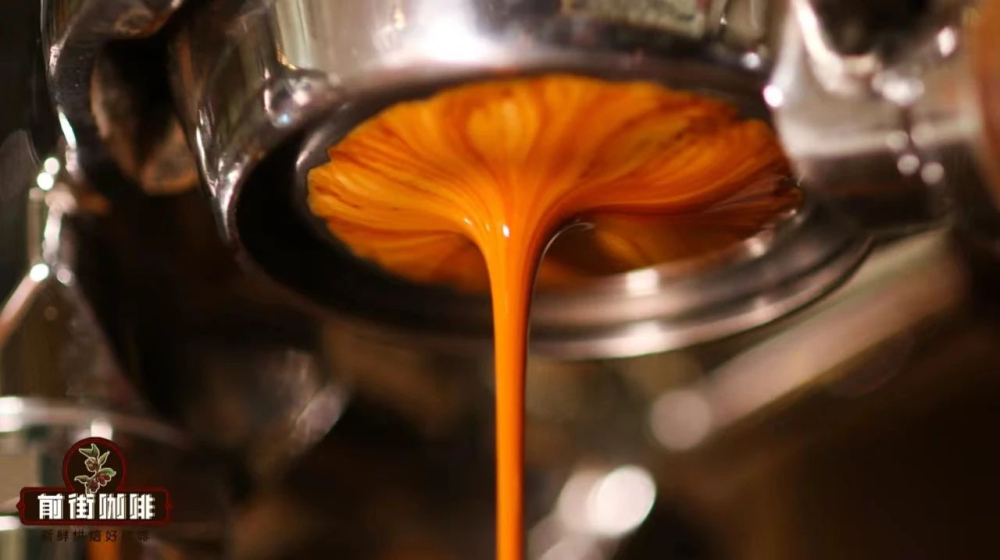
In fact, espresso is just one brewing method and is not limited to any specific type of coffee bean. As long as it is brewed using an espresso machine — whether it's a single-origin or a blend, light roast or dark roast — and the final flavor performance is outstanding, it can be called espresso. The point is that “good extraction” not only brings out desirable flavors but also avoids amplifying the flaws in the beans. Therefore, choosing green beans without obvious defects is the first step toward making a successful espresso.
The high pressure and high temperature environment of an espresso machine, while helpful in bringing out the rich layers of coffee flavor, can also easily expose unpleasant tastes. If the beans have issues such as over-fermentation or improper storage, these flaws will be intensified during extraction, resulting in a cup of coffee that is hard to enjoy. Therefore, when selecting beans, freshness, processing method, and roast consistency should be prioritized.
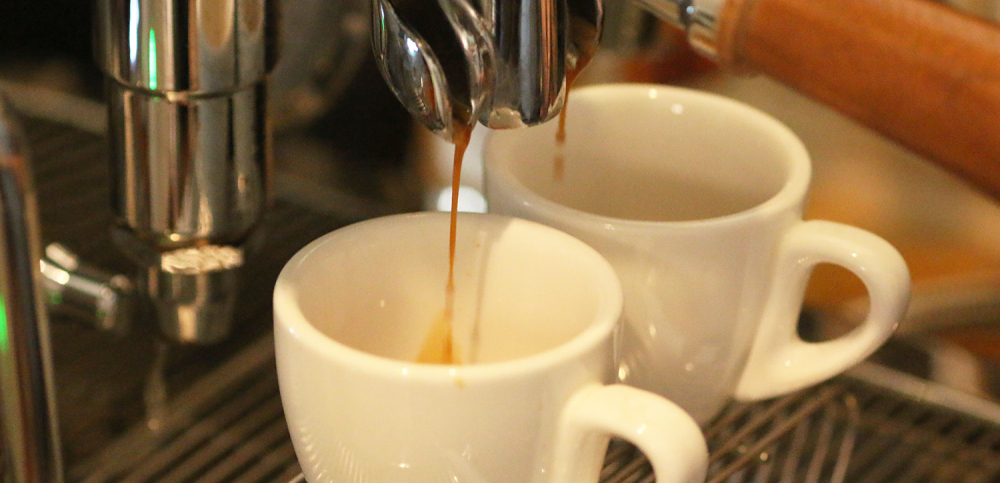
Popular classic blends on the market often use the “Mamba combination,” which is a mix of Brazilian beans and Indonesian Sumatra Mandheling. Brazilian beans provide mild hazelnut and creamy aromas, while Mandheling adds unique spicy and herbal notes, giving the espresso more complexity. Some blends also include a small amount of Robusta beans to enhance crema and body, delivering rich flavors like butter, roasted hazelnuts, caramel, and dark chocolate — full-bodied and smooth, whether enjoyed straight or with milk in a latte, both are highly expressive.
If you prefer the unique character of single-origin coffee, single-origin espresso (SOE) is also a great choice. However, to make SOE perform well under espresso extraction, more rigorous bean selection, roast control, and brewing techniques are required.
For example, the medium-dark roasted Queen Estate SOE has a strong creamy peanut aroma, accompanied by the sweetness of sugarcane and a cocoa note in the finish. It’s suitable for coffee lovers who enjoy mellow flavors and can also be brewed using a moka pot or home machine. Meanwhile, the Golden Mandheling SOE is known for its strict quality control — hand-picked three times and machine-sorted once — and after medium-dark roasting, it reveals complex layers of spice, caramel, cedar, and dark chocolate, with rich crema, low acidity, and is particularly suitable for those who don’t like intense acidity.
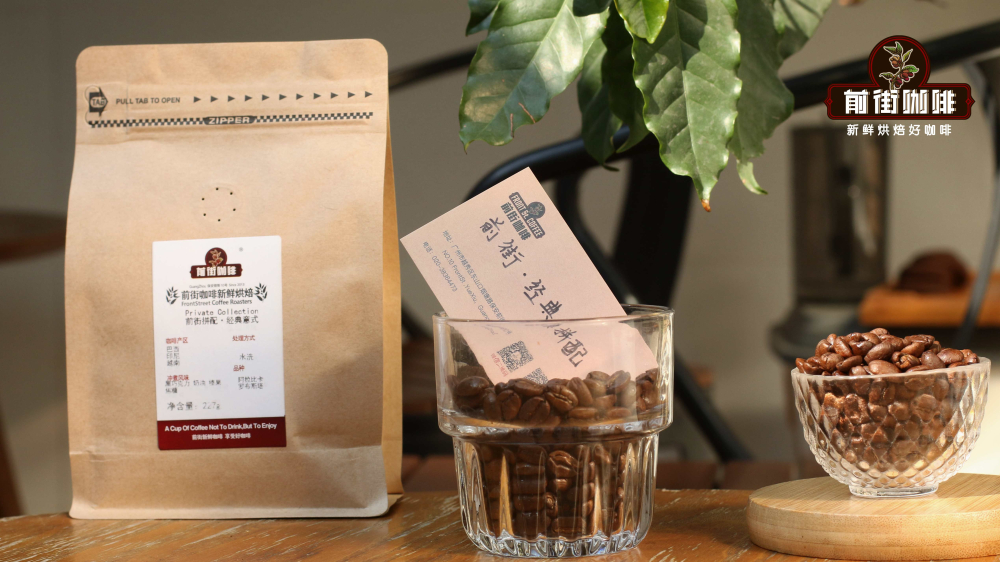
For beginners new to espresso, it’s recommended to start with a medium-roasted recipe that offers more balanced flavors. For instance, the Strawberry Candy espresso blend combines beans from Costa Rica, Colombia, and Ethiopia, featuring aromas of rose, citrus, grape, and blueberry. Upon tasting, it delivers a sweet sensation similar to strawberry taffy, and when paired with milk, it further highlights the fruitiness and sweetness.
If you prefer a smoother taste without bitterness, this Black Cocoa blend made from Yunnan small-seed variety and Brazilian Red Bourbon is worth trying. The recipe emphasizes chocolate and nutty tones, with gentle fruit acidity and moderate crema performance. It’s suitable for everyday drinking and is also recommended by many baristas as a home moka pot bean. In addition, basic espresso blends, due to their high cost-performance ratio and stable extraction, are the long-term staple choice for home users.
Even if not limited to blends, some high-quality pour over single-origin beans can also be excellent choices for espresso. For example, PWN Golden Mandheling SOE features low acidity, high body, and a distinct caramel aroma, along with spicy, woody, and smoky notes. It’s suitable for users who enjoy a bold flavor and is a classic choice favored by many professional shops and coffee enthusiasts.
The above content is compiled by CoffeeHunters, a coffee news website.


