







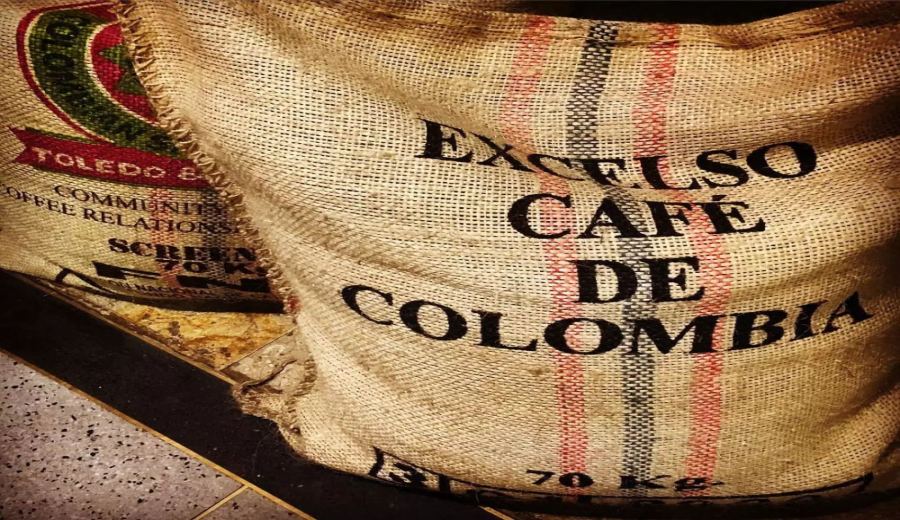
Introduction:Colombia is a globally renowned specialty coffee origin, where diverse terrains and microclimates nurture a variety of regional beans with unique flavor profiles. This article delves into four renowned regions—Huila, Cauca, Nariño, and Santander—analyzing their altitudes, processing methods, and flavor characteristics. It also provides pour over parameters and techniques for washed Huila beans to help you master brewing essentials and experience the layered charm of Colombian coffee.
Colombian coffee is world-famous for its stable and diverse flavors. It’s not only an important representative of South American specialty coffee but also one of the must-try regions for many coffee enthusiasts. Thanks to the topographical advantages of the Andes Mountains, the country boasts multiple specialty coffee regions, including Huila, Cauca, Nariño, and Santander. Each region showcases distinct coffee personalities due to differences in altitude, climate, and soil.
Located in the southwest of Colombia, the Huila region is one of the key sources of local specialty coffee, contributing about 12% of the country’s total coffee production. The area features varied terrain, with elevations generally exceeding 1,500 meters, and is traversed by the Colombian river, ensuring abundant water resources. Compared to the traditional rich and full-bodied flavors of Colombian coffee, Huila mainly consists of micro-lot smallholder coffees. Through diverse microclimates and processing methods, it presents a rich array of flavor layers. Generally speaking,washed Huila beans better showcase the classic foundation of Colombian coffee, making them a popular choice for everyday drinking beans.
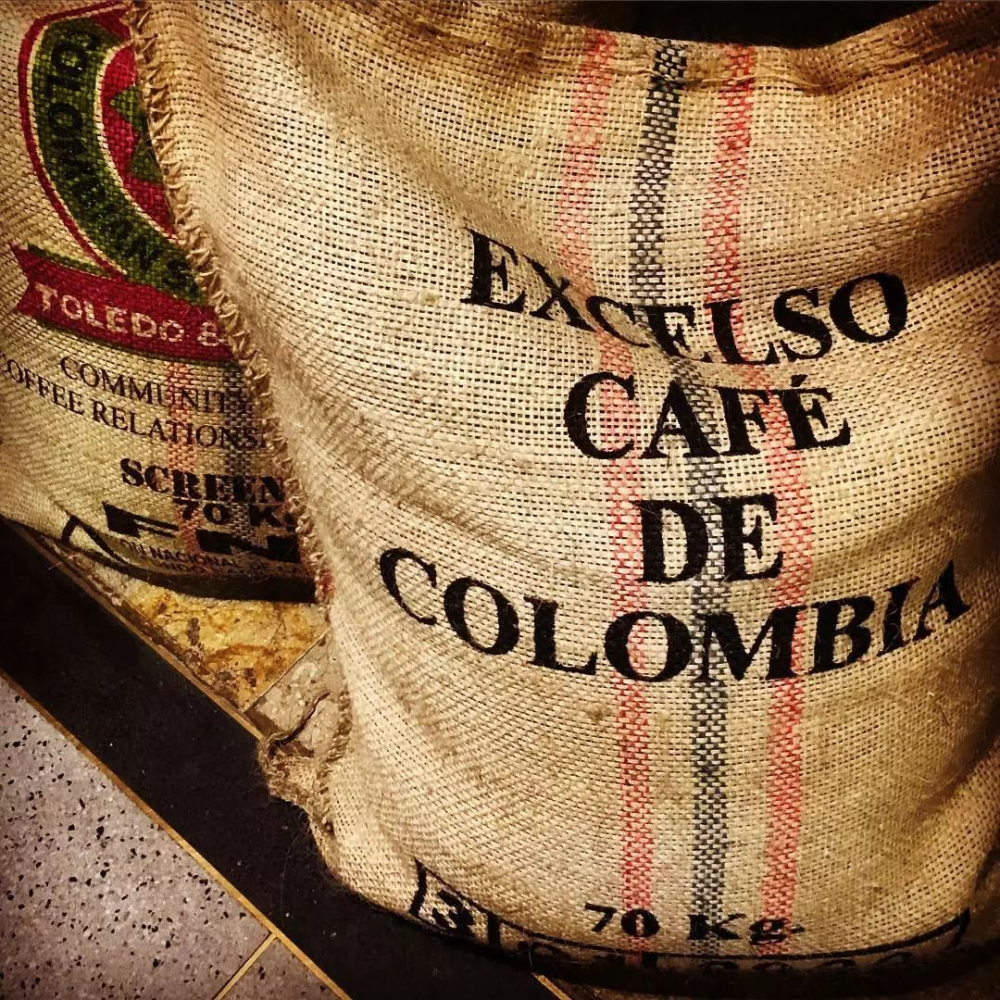
The Cauca region is known for its high-altitude terrain, with some areas reaching up to 2,100 meters. The significant day-night temperature variation, moderate rainfall, and mineral-rich volcanic soil here provide an ideal growing environment for coffee trees. The high altitude slows down the ripening process of coffee cherries, aiding in nutrient accumulation. As a result, Cauca coffee often exhibits a distinct balance of acidity and sweetness with fruity notes, making it an ideal choice for those who prefer fresh and vibrant flavors.
The Nariño region is situated across the Andes Mountains that run through the entire province, with coffee plantations located between 1,600 and 2,300 meters above sea level, often shrouded in fog year-round. The fertile volcanic soil, combined with unique microclimates, contributes to the excellent acidity performance of Nariño coffee, offering a delicate and layered mouthfeel. Although this region has limited production, its distinctive flavors and refined texture have gradually gained attention in the global specialty coffee market in recent years.
Santander is one of the oldest coffee-producing regions in Colombia. Though less frequently mentioned compared to other regions, it accounts for about 5% of the country’s total coffee output. With relatively lower altitudes, ranging from 1,400 to 1,600 meters, and a drier climate, the area primarily cultivates the Typica variety. Local coffee is mostly grown in naturally shaded forest environments, resulting in a longer maturation period. Coupled with fertile soil and day-night temperature variations, the coffee flavors tend to be rich and rounded, with a balanced mouthfeel. For instance, coffee beans from the Rose Valley in this region are a favorite among many coffee connoisseurs.
To fully experience the flavor characteristics of washed Huila beans, appropriate pour over parameters are crucial. Since Huila everyday beans are typically medium-dark roasted, with flavors mainly of nuts, dark chocolate, and caramel, and an overall bold and rich profile, special attention should be paid to grind size and water temperature control. It is recommended to choosea medium grind size (e.g., 75% extraction rate through a 20-mesh sieve), and extract withwater at 90°C, which can effectively avoid over-extraction and off-flavors while highlighting its sweetness and rich body.
In terms of equipment selection,the KONO filter cone, with its unique rib structure,can extend the contact time between water and coffee grounds, improving extraction uniformity and enhancing the body, making it more suitable for beans with this flavor profile compared to the V60. Specifically, it is recommended to usea 1:15 coffee-to-water ratio, with around 15 grams of coffee, and perform a three-stage pour:
First, place the coffee grounds into the filter cone, pour hot water equivalent to about twice the amount of coffee grounds for a 30-second bloom to help release the flavors; then, pour water in small streams in a circular motion from the inside out. When the total water volume reaches 125 grams, proceed to the first pour. After the coffee bed settles slightly, continue pouring at a steady rate until reaching 225 grams to complete the extraction, with the entire process controlled to around 2 minutes.
The resulting Huila pour over coffee offers an immediate impression of distinct chocolate and nut tones, complemented by caramel sweetness. The overall mouthfeel is smooth and clean, with soft acidity and a long-lasting aftertaste. As the temperature drops, you can further appreciate the gradual layering of flavors, making it a classic entry-level choice for experiencing the charm of Colombian coffee.
Whether you’re a beginner just starting out or an advanced enthusiast seeking regional characteristics, gaining a deeper understanding of the terroir and processing features of these four Colombian regions will enrich your tasting and brewing experiences. Combined with suitable pour over parameters, you can fully unlock the potential of each bean and savor the unique coffee elegance of Colombia.

The above content is compiled by CoffeeHunters, a coffee news website.


