








Introduction:The siphon coffee maker (also known as a vacuum pot) is renowned for its unique vacuum extraction technology, which not only delivers a dramatic brewing process but also imparts a rich and layered flavor to the coffee. This article delves into the historical origins, component structure, and working principles of the siphon pot, and provides a detailed explanation of the operation steps and key techniques to help you master the brewing secrets of this classic device and experience a distinctive coffee flavor journey.
Among the many coffee brewing tools, the siphon coffee maker (also known as a vacuum pot) has maintained a steady following thanks to its unique vacuum extraction principle and highly ritualistic operation. Created in the early 19th century, this device predates pour over coffee and continues to hold a place in the specialty coffee world for its bold, full-bodied taste and captivating aroma. This article will take you deep into the historical background, overall structure, operation process, and how its flavor profile differs from other brewing methods, helping you fully grasp the essence of using this classic coffee tool.
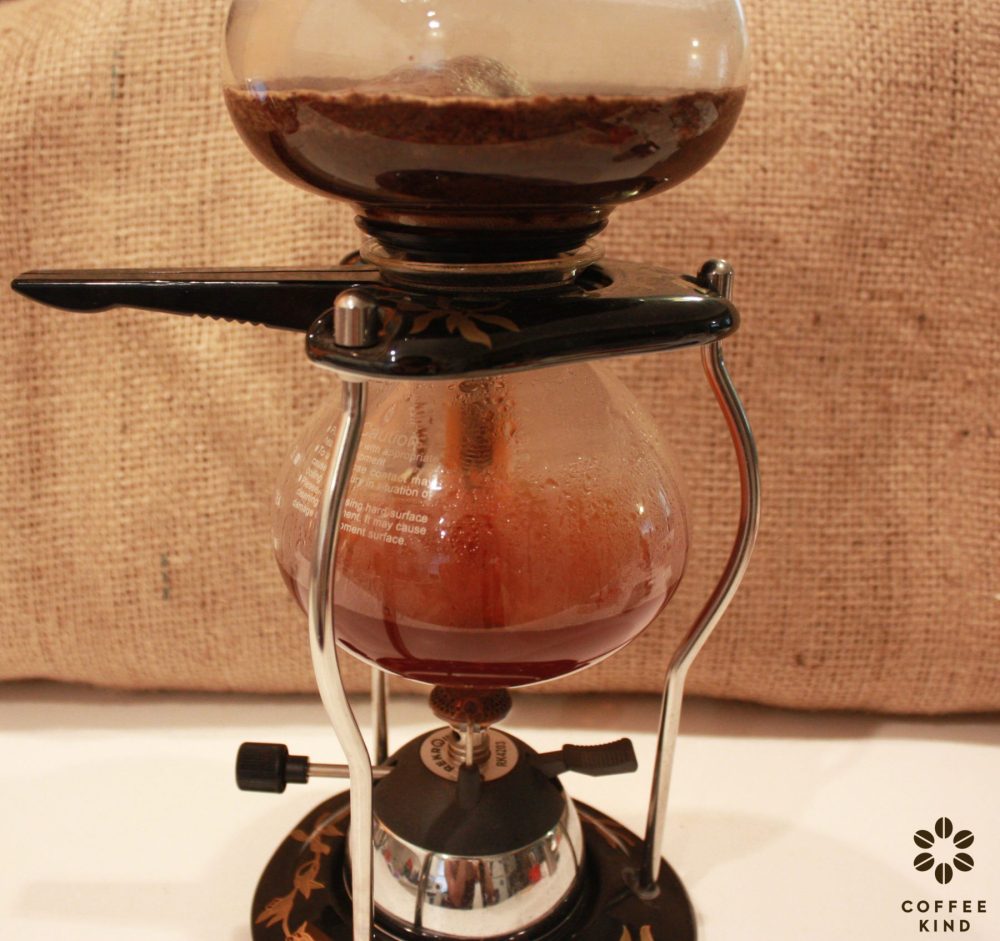
The English name for the siphon pot is “SIPHON.” Its operating principle involves heating water in the lower chamber to produce steam, causing the heated water to expand and rise into the upper chamber where it mixes with the coffee grounds. When heating is stopped, the temperature drops, creating negative pressure, and the brewed coffee is drawn back down through the central vacuum tube into the lower chamber, completing the entire extraction process. This design, utilizing thermal expansion and contraction along with vacuum principles, is not only scientifically intriguing but also adds a strong visual appeal to the coffee brewing experience.
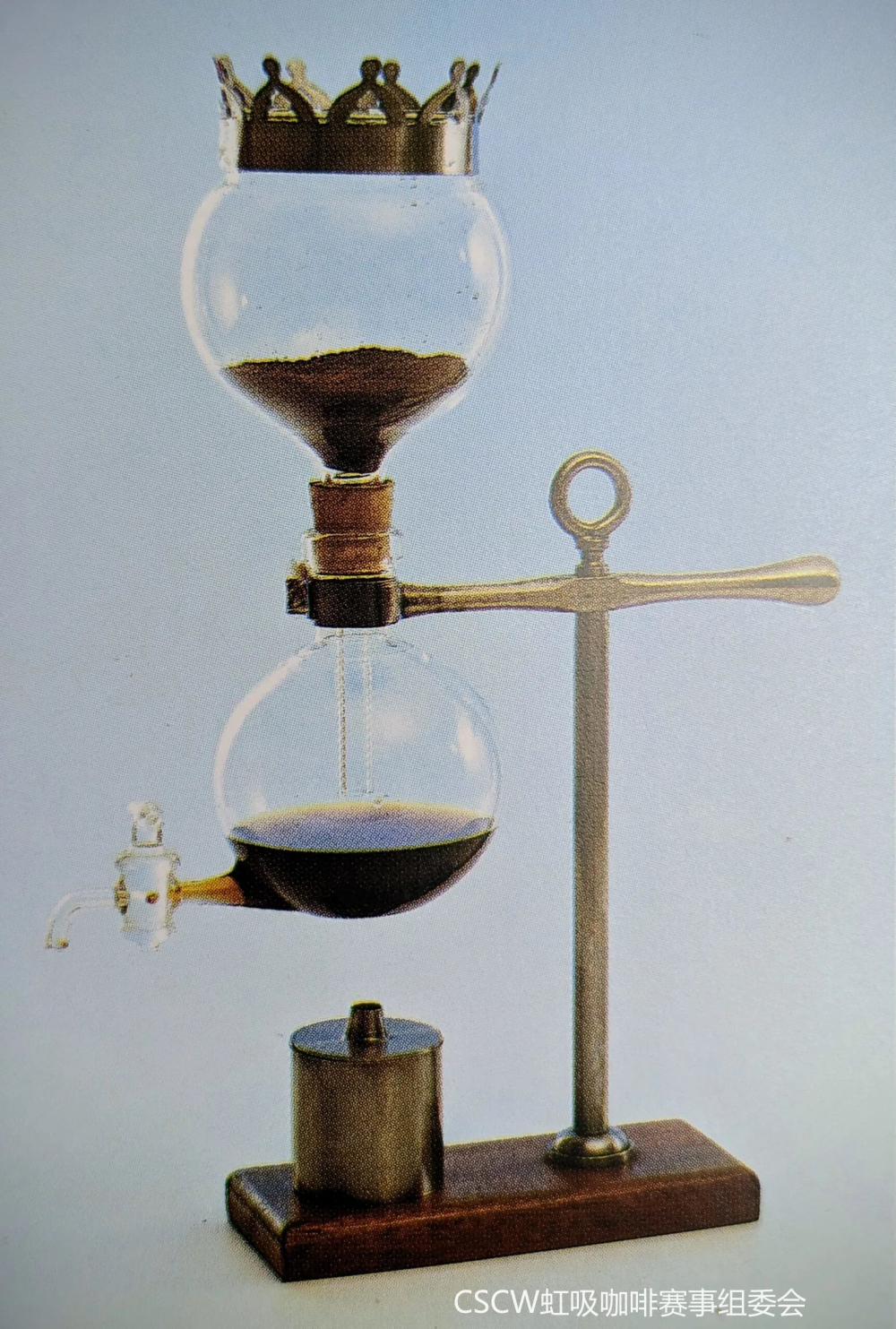
Tracing the history of the siphon pot, its earliest origins date back to 1826 when German physicist Johann Norremberg created the first prototype using laboratory equipment. At that time, it was used solely for teaching purposes and was not patented, so it did not gain widespread use. It wasn’t until the mid-19th century that French inventor Marie Fanny Amelne Massot improved upon the design by creating a two-chamber siphon structure with up-and-down convection. She successfully obtained a patent in 1842, which allowed the siphon pot to be commercialized and enter the market. Around the same time, Scottish engineer Robert Napier also introduced the Napier Coffee Pot, which operated on vacuum principles. Though it received recognition from the Institution of Mechanical Engineers in 1856, it too was not patented. These early innovations laid the foundation for the popularization of the siphon coffee maker, gradually spreading across Europe and America.
However, with the rise of automatic drip coffee machines—especially in the American market—the usage of the siphon pot gradually declined and it is no longer a mainstream brewing tool. Nevertheless, this historically rich device, with its unique brewing flavors and visual experience, remains favored by many coffee enthusiasts. Compared to the clarity and distinct layers of pour over coffee, coffee brewed with a siphon pot typically has a richer mouthfeel, more intense aroma, a solid body, and a complex aftertaste.
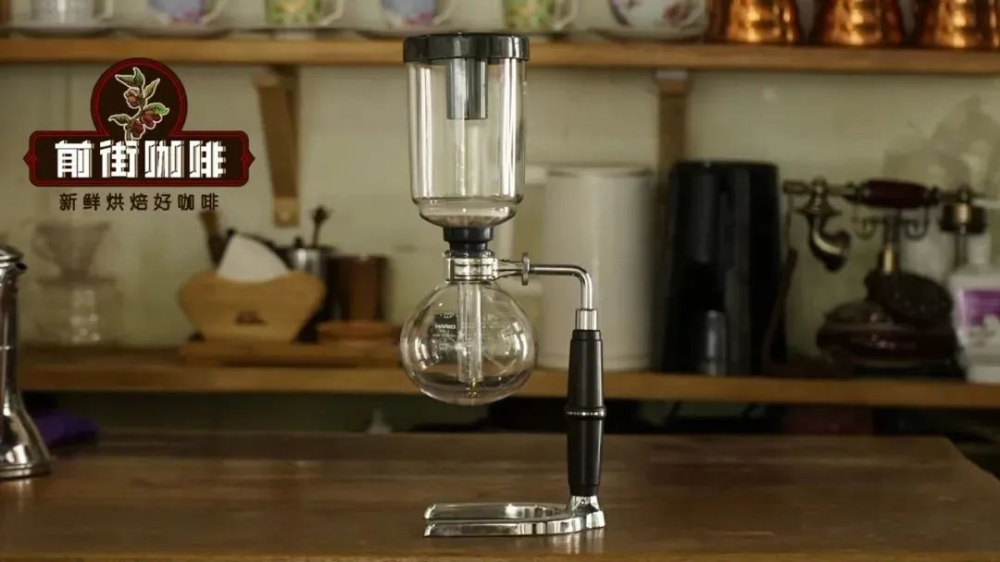
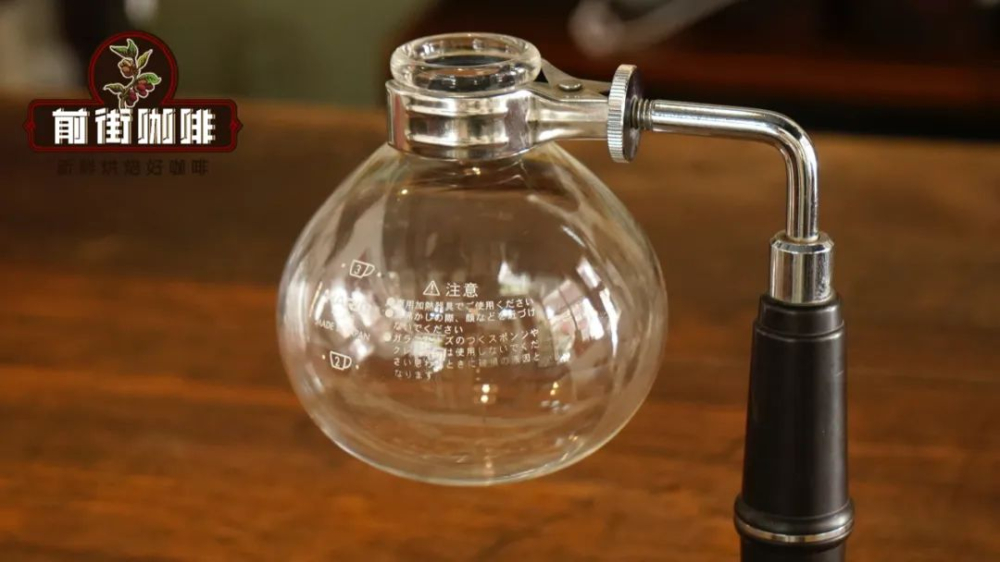
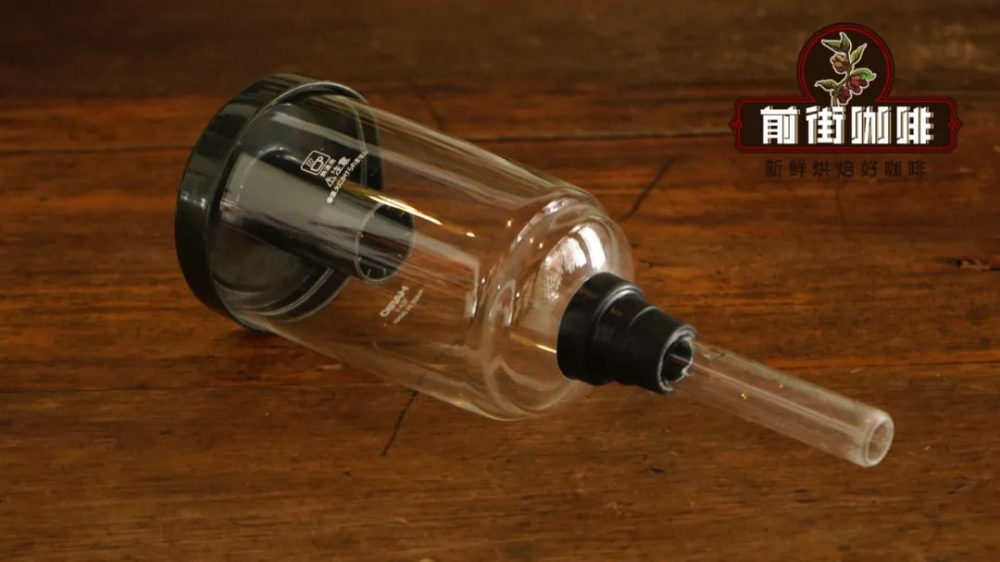
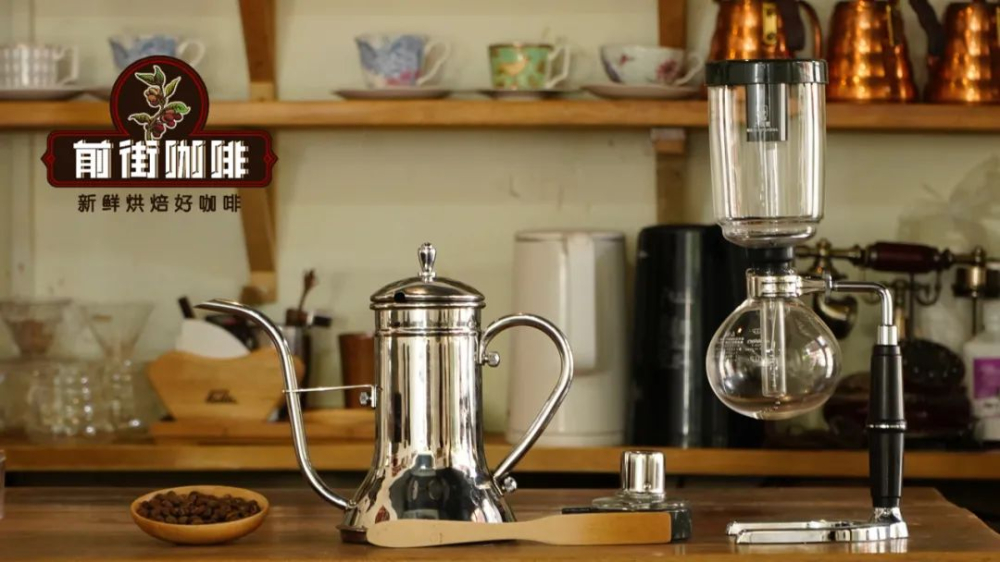
The external structure of the siphon pot mainly consists of three parts: the upper chamber, the lower chamber, and the stand. The function of the stand is to stably support the lower chamber, keeping it suspended for heating. The lower chamber is generally designed as a sphere, a shape that ensures even heating and helps to steadily generate steam pressure. The upper chamber is cylindrical with a narrowed base connected to a slender tube. The diameter of the tube gradually tapers from top to bottom and is sealed with a heat-resistant gasket to ensure no air or water leakage during the brewing process.
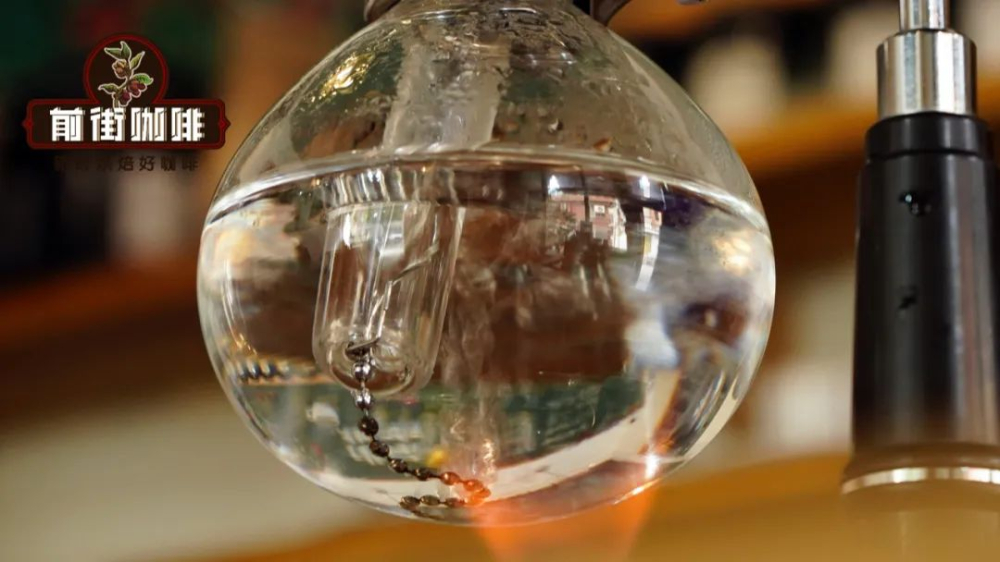
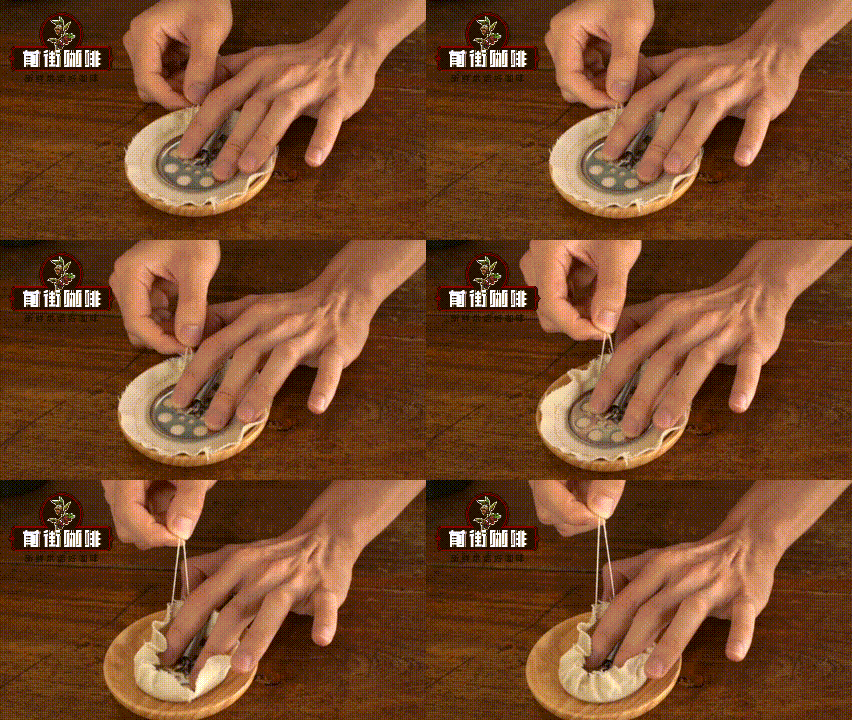
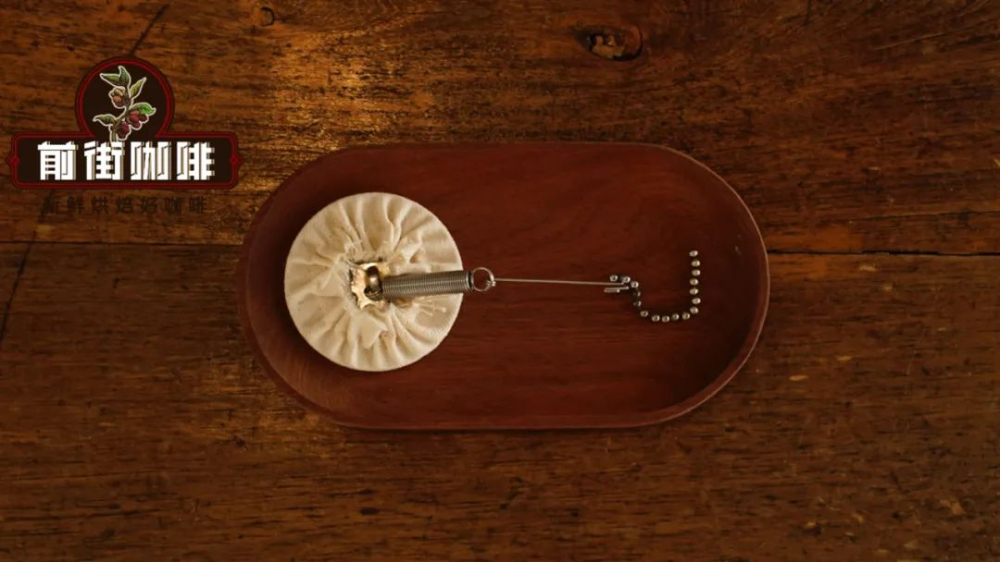
The filtration system of the siphon pot is one of its key components, serving to effectively intercept coffee grounds and ensure the purity of the brewed coffee. A common filter consists of a circular metal disc and an elastic chain, with the metal disc usually wrapped in specially made filter material—most commonly flannel cloth. Before use, the cloth must be tightly wrapped around the metal disc, adjusted to the appropriate tension, and secured with a thin string, with excess threads trimmed to ensure the cloth lies flat over the tube opening at the bottom of the upper chamber. This setup ensures effective filtration of coffee grounds and avoids any impact on the flavor.



The above content is compiled by CoffeeHunters, a coffee news website.


