







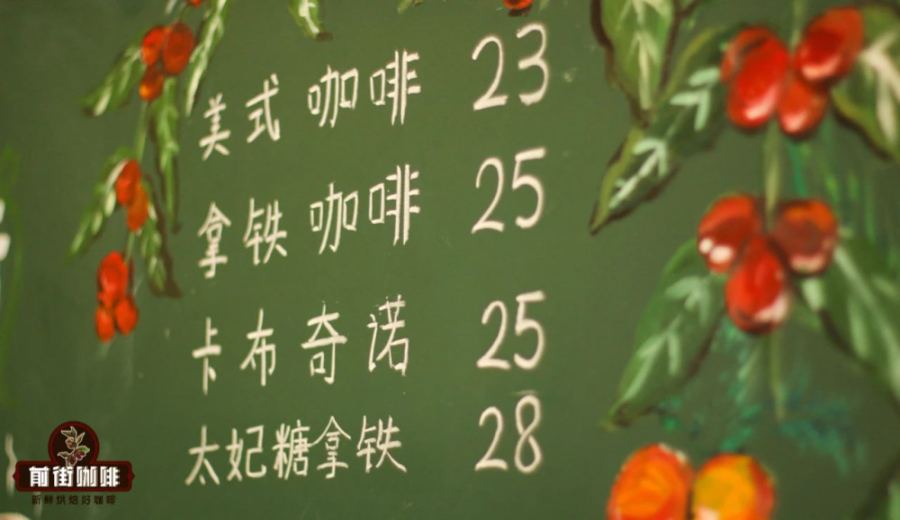
Introduction:Although both espresso and Americano are black coffees, they differ significantly in brewing methods, flavor profiles, and suitable scenarios. Understanding their production principles, coffee bean selection, espresso parameters, and taste differences can help you choose the coffee that best suits your preferences, and even recreate professional-level flavors at home with ease.
When you walk into a café and see "espresso" and "Americano" on the menu, have you ever wondered about the difference between them? Both are black coffee, yet they vary markedly in concentration, taste, and usage scenarios. How did the Americano come about? And why is espresso hailed as the essence of coffee? This article will delve into the historical background, brewing techniques, bean varieties, parameter settings, and ultimately the flavor profiles of these two classic coffees, helping you gain an in-depth understanding of their essence and providing practical advice on selection and brewing.
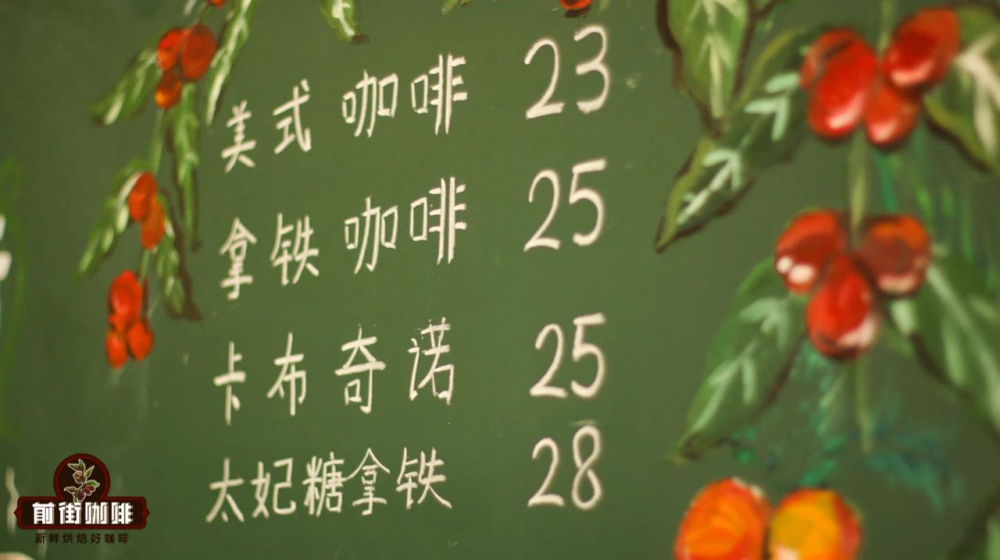
The Origin and Preparation of Americano
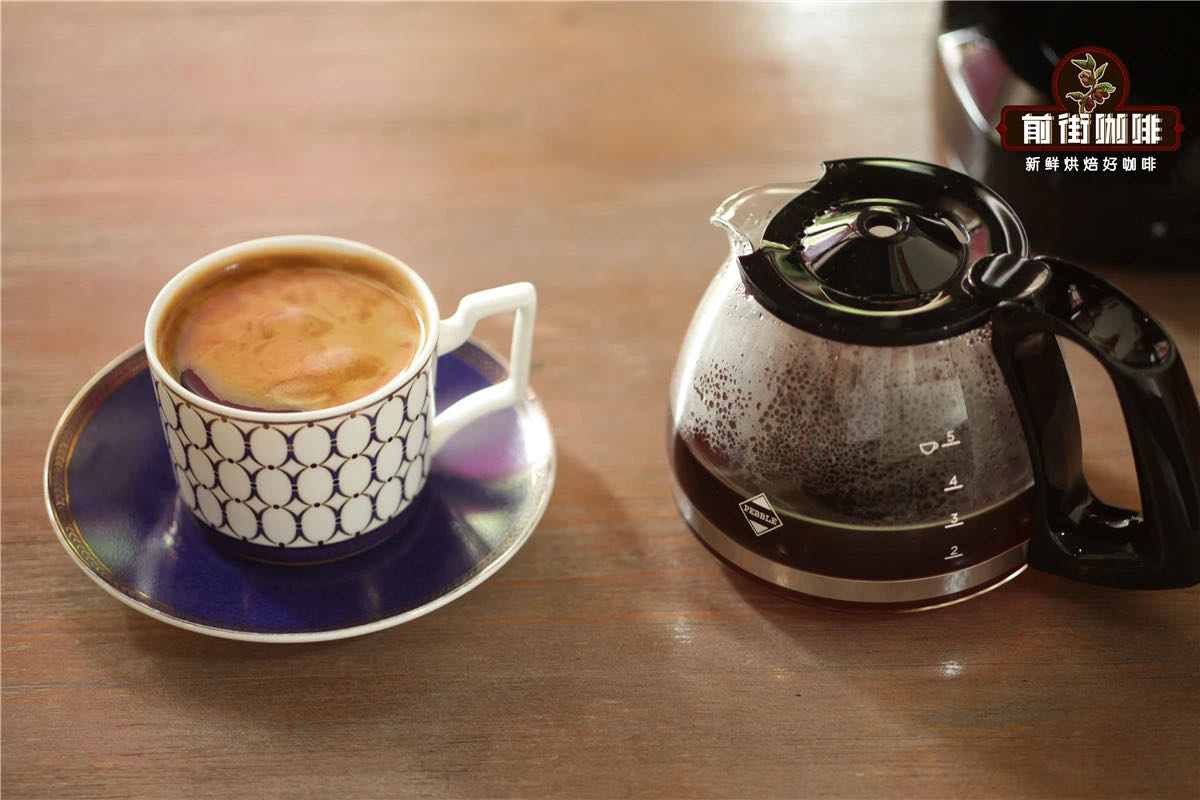
Americano can actually be made in two common ways: either by directly using a drip coffee machine to brew, or by diluting espresso with hot water. The name "Americano" has an interesting historical background.
During World War II, many American officers were stationed in Europe. They were accustomed to the drip coffee commonly found in American homes—coffee that was typically lighter in flavor with a noticeable wateriness, quite different from the espresso widely consumed locally in Europe. To enjoy a coffee closer to the taste of home while abroad, they began diluting espresso with a large amount of hot water to make the overall taste smoother and less intense. This adjusted coffee gradually came to be jokingly referred to by Europeans as "Americano," and in some places, it was even mockingly called "sock coffee" due to its seemingly overly diluted texture.
If you choose to make Americano at home, besides the traditional method of adding water to espresso, you can also use a drip coffee machine directly, which will yield a flavor more akin to the typical light-bodied profile of Americano.
Definition and Brewing Parameters of Espresso
Compared to the casual nature of Americano, espresso is an art that emphasizes technique and equipment. A standard shot of espresso relies on a professional coffee machine capable of high-pressure extraction, and precise control over brewing parameters is essential to produce a rich and balanced coffee liquid.
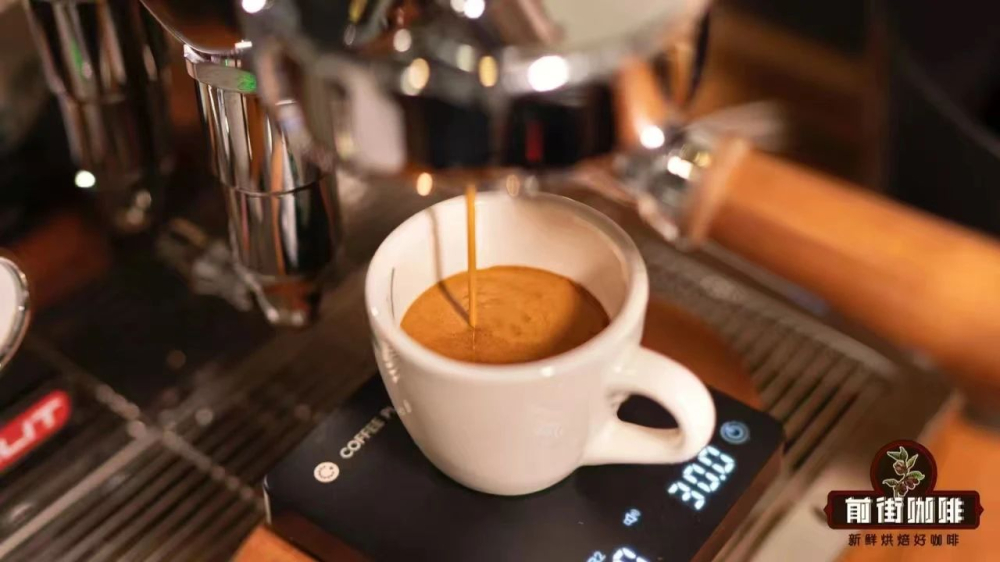
Taking a common double shot as an example, it is recommended to use about 20 grams of coffee grounds, extracted under 9 bar of pressure, over a period of 25 to 30 seconds, yielding approximately 40 grams of coffee liquid, with a coffee-to-water ratio of roughly 1:2. However, these parameters may vary depending on the roast level of the coffee beans, origin characteristics, and grind size, so fine-tuning based on the actual flavor outcome is recommended.
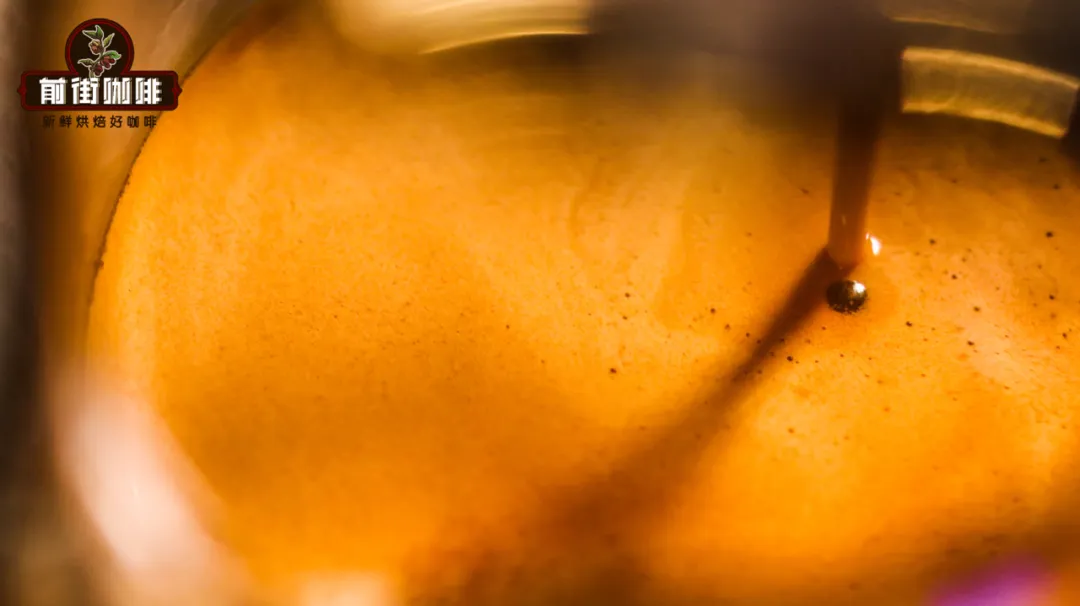
A successful espresso should have a surface covered with a thick and persistent golden crema (coffee foam), which should be even and free of holes, exuding a distinct coffee aroma. Upon tasting, you should experience a rich yet non-bitter coffee flavor, with moderate acidity and sweetness, a smooth texture without graininess, and a clean finish with a sweet aftertaste.
Coffee Bean Selection and Blend Recommendations
Whether you're brewing espresso or making Americano, selecting coffee beans suitable for espresso extraction is crucial. Generally, such beans are medium to dark roasted, and often blended from beans of different origins to achieve balanced and stable flavors.
Common and recommended blend combinations include beans from Brazil and Colombia—the former contributes a rich chocolate and nutty base, while the latter adds bright acidity and fruity layers. For those who prefer lower acidity and a gentler taste, honey-processed Central American beans, such as those from Costa Rica or Guatemala, can also be considered. These blends usually offer a rounder flavor profile, suitable for drinkers who don’t enjoy overly strong bitterness.
Espresso Brewing Process and Precautions
Although espresso machines may seem professional and complex, mastering a few basic steps allows you to consistently brew high-quality espresso. Here is the standard espresso brewing process:
1. Wipe the portafilter basket to ensure it is dry and free of moisture.
2. Use an electronic scale to accurately weigh the required coffee grounds, with an error margin controlled within ±0.1 gram .
3. Distribute the grounds evenly to ensure a flat surface.
4. Use a tamper to press the grounds evenly with consistent and stable pressure.
5. Lightly tap the handle to remove large coffee particles, then mount the handle onto the machine.
6. Start the extraction process and observe the extraction time and flow rate.
7. After completion, gently tap to remove the handle and immediately clean the group head to prevent coffee grounds buildup.
A common extraction setup is: 20 grams of coffee grounds to yield 40 grams of coffee liquid, with a total time of about 30 seconds. This set of parameters can stably produce a balanced and layered espresso, suitable for further use in making lattes, cappuccinos, or Americanos.
Practical Preparation Methods for Americano
For most people, pure espresso is too concentrated and can be quite intense to drink straight, so it’s common to dilute it with hot or cold water to create a more palatable Americano.
Making a hot Americano is very simple: just add 160 to 200 grams of hot waterto the brewed espresso to adjust the concentration to a comfortable level. For an iced Americano, start by adding 100 grams of ice cubes, then pour in 120 grams of cold water, and finally top with the espresso to complete a refreshing and invigorating iced Americano.
Regardless of which form you choose, understanding the differences between espresso and Americano can give you more confidence when ordering at a café, and also allow you to tailor your perfect cup of black coffee at home according to your mood and needs.
The above content is compiled by CoffeeHunters, a coffee news website.


