







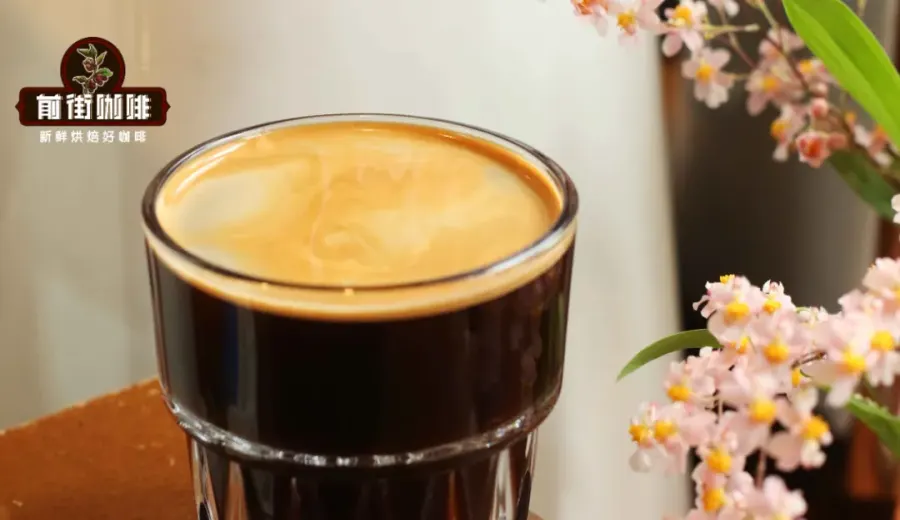
Introduction:Americano may seem simple, but it holds a wealth of knowledge. From adding water to espresso to drip-brewed black coffee, different brewing methods lead to vastly different flavors and prices. This article delves into the differences between the two mainstream Americano brewing methods, explores the impact of coffee bean selection and extraction parameters on flavor, and analyzes why the same drink called "Americano" can range from budget-friendly to premium, even offering free refills—helping you find the cup that suits you best.
When ordering at a café, "Americano" is many people’s go-to choice—not only because of its affordable price, but also because it’s energizing without compromising the essence of coffee. However, do you really understand what an Americano is? Does it even count as black coffee? Why do some cafés charge just a few yuan for an Americano, while others ask for dozens, or even offer unlimited refills? This article will start with the definition, dissect the various forms of Americano in different contexts, compare the characteristics of the two mainstream brewing methods—adding water to espresso and drip brewing—and explore the cost and market positioning factors behind the pricing.
The definition of Americano is actually quite broad.
Many people assume that Americano is simply espresso with added water, but that’s just one common form. In both industry and consumer contexts, the term "Americano" has quite a fuzzy boundary—it can refer broadly to any diluted version of black coffee, or to black coffee made with different brewing devices. Some might call coffee brewed with a French press an Americano, or consider coffee liquid from a moka pot diluted with water as an Americano. That’s why when customers ask, "What beans do you use to make an Americano?" baristas usually first clarify: which method of making an Americano are you referring to?
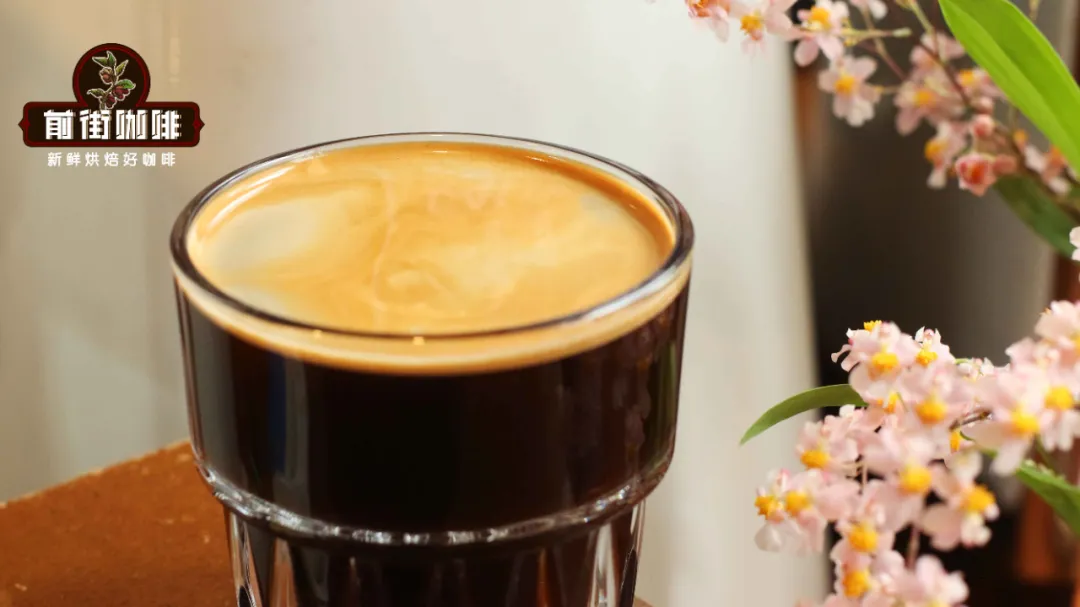
Commercially available Americano coffee generally falls into two categories.
Currently, the commonly seen "Americano coffee" on the market can be roughly divided into two major types. The first type is made by extracting espresso using an espresso machine and then diluting it with hot water in proportion—this is the method adopted by most independent specialty cafés. This kind of Americano has a refreshing taste and high acceptability, making it the entry-level favorite for many customers, but due to the higher equipment cost, it is less commonly used in home settings. The second type is the black coffee made using an electric drip coffee maker (such as the common Americano coffee machine), also known as drip coffee or brewed coffee, which is very common in offices, homes, hotels, and other places. These coffee machines mostly originate from the United States, so the black coffee they brew is also broadly referred to as "Americano."
Drip brewing does not require high-pressure extraction but instead uses hot water to evenly drip through the coffee grounds, filtered through paper to form the coffee liquid. While this method is convenient and hassle-free, compared to espresso, its flavor is usually more diluted, with slightly less richness and layering.
The flavor differences between the two brewing methods are clear.
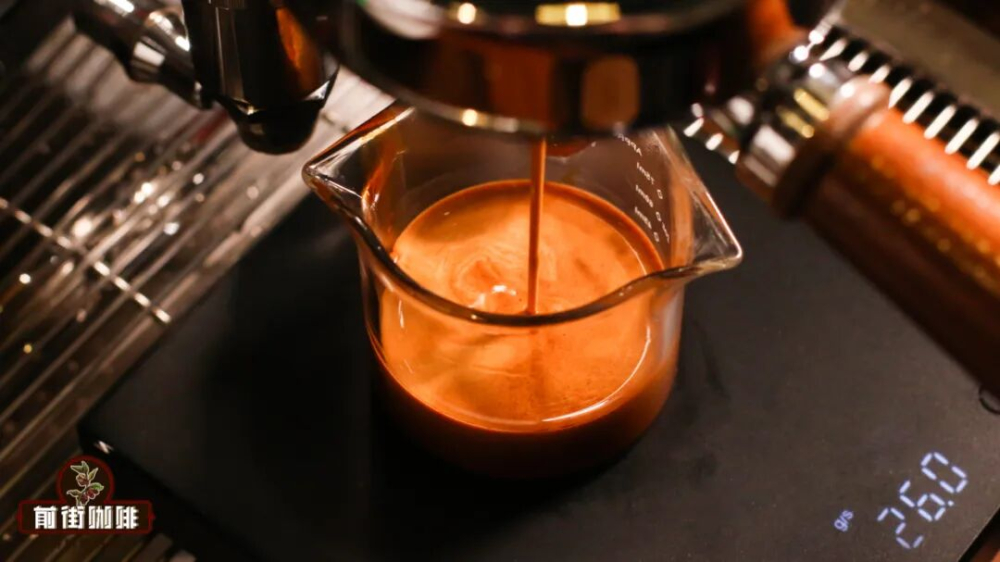
Although both types of "Americano coffee" are essentially black coffee, their flavor profiles differ significantly due to the different extraction techniques. Take Indonesian Yellow Gold Mandheling as an example: when extracted using an espresso machine (recommended parameters: 20g coffee grounds, extraction time about 26 seconds, yielding 38g of espresso), you get an espresso base rich in crema, with intense caramel aromas. After adding an appropriate amount of hot water, its flavors showcase the rich layers of dark cocoa, roasted nuts, and spices, with a pronounced sweet aftertaste. On the other hand, if the same bean variety is brewed with a drip machine using preset mode, although the overall balance is decent, the aroma is noticeably weaker, the taste is lighter, and the flavor layers are not as rich as the former.
This experiment shows that if you value flavor expression and layering, the method of adding water to espresso still holds certain advantages; but if you prioritize stability, convenience, and cost, a drip coffee maker is more suitable for daily, high-volume use.
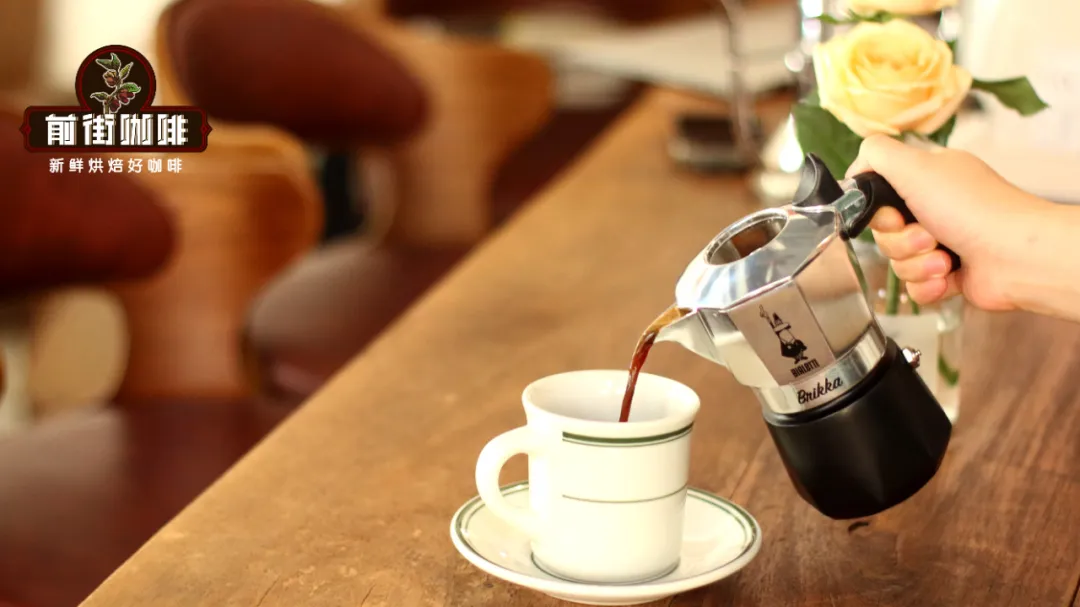
Reasons behind the wide price disparity
You may have wondered why some cafés sell an Americano for less than ten yuan, while others charge dozens, or even offer free refills? The key lies in the quality of the coffee beans used, the brewing method, and the business model. Independent specialty coffee shops often emphasize the essence of coffee, using beans roasted to medium-dark levels to highlight flavors like nuts and chocolate. Some shops even use premium single-origin SOE (Single Origin Espresso), which comes at a higher cost, hence the relatively expensive pricing. For instance, one shop once launched an Americano made with Panamanian sun-dried Geisha, priced at 48 yuan per cup—far above the typical market pricing for Americano.
In contrast, large chain brands, aiming to ensure consistent output across all outlets, typically use dark-roasted beans, paired with semi-automatic or fully automatic coffee machines, or even drip pots, to stably control flavor and operational processes. Their Americano prices vary widely, but overall tend toward the mass-market range, from a few yuan to over twenty yuan.
As for free-refill Americanos, they mostly appear in fast-food restaurants or specific promotional scenarios, with the primary goal of providing "caffeine replenishment" and "high cost-performance." These Americanos usually use commercial-grade drip machines or simple setups, paired with lower-cost commercial beans, emphasizing efficiency and convenience. Flavor-wise, they are rather ordinary, rarely offering any surprising notes.
The above content is compiled by CoffeeHunters, a coffee news website.


