







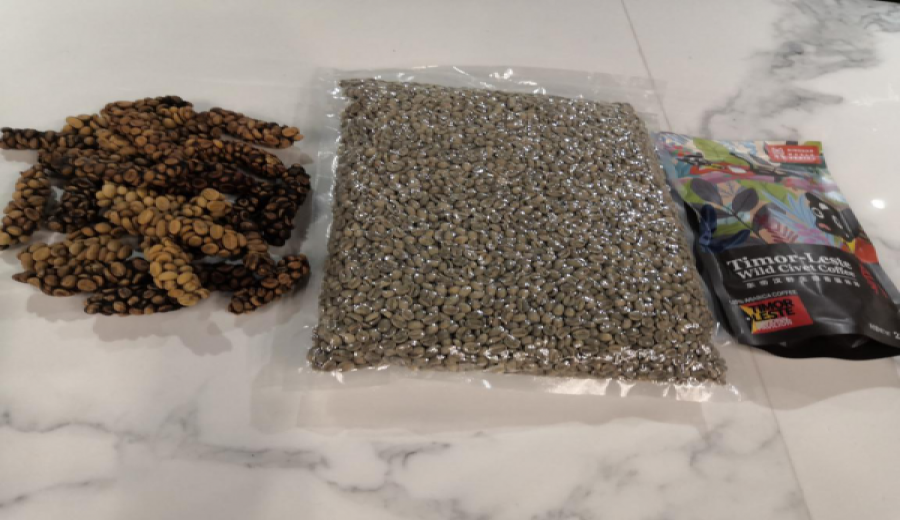
Introduction:Indonesian civet coffee is one of the rarest and most expensive coffees in the world. Wild beans can cost up to around 7,000 RMB per kilogram, and improper brewing methods can easily waste their unique flavors. This article will delve into how to correctly extract civet coffee using the pour over method — from filter choice, coffee-to-water ratio, ideal water temperature, to three-stage pouring techniques — helping you fully showcase its rich body, caramel sweetness, and distinctive minty finish.
Civet coffee, also known as Indonesian kopi luwak, is globally recognized as one of the rarest and most expensive coffee varieties. The market price for wild-grade civet coffee beans can reach around 7,000 RMB per kilogram. It’s truly a shame if such high-priced beans fail to express their unique flavors due to improper brewing. If you’re fortunate enough to have this premium coffee bean, understanding the correct pour over method will help you unlock its full potential.
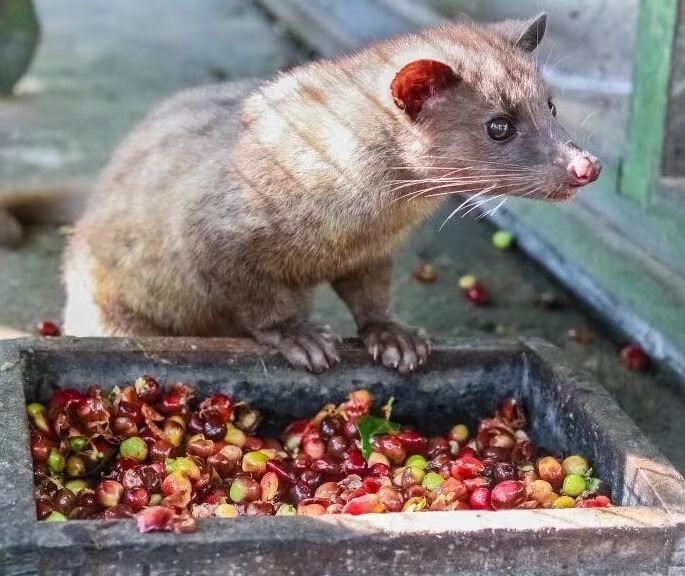
What makes civet coffee unique is its special fermentation process. After consuming coffee cherries, civets are unable to fully digest the beans. These beans then ferment in the civet's digestive tract, where unique microorganisms alter their flavor profile dramatically. Eventually expelled in the civet’s feces, the beans are collected and processed to become the extremely rare civet coffee on the market.
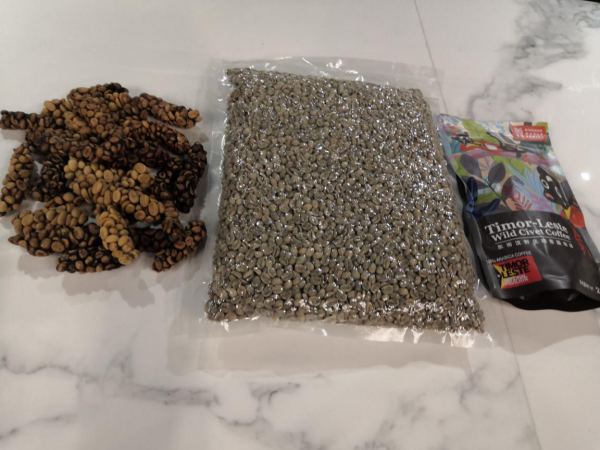
Coffee from the Indonesian region often carries strong earthy and herbal notes, with a notably rich body among various producing regions. Civet coffee, having undergone fermentation in an animal’s digestive system, has even more concentrated flavors — its texture is syrupy smooth, paired with an irreplicable distinct aroma. Upon sipping, you may even detect a refreshing, mint-like aftertaste, offering a unique experience rarely found in most conventional coffees.
To fully experience the layered complexity of civet coffee, pour over is one of the most recommended brewing methods. Compared to other brewing styles, pour over allows for more precise control over water temperature, pouring rhythm, and coffee-to-water ratio, helping to bring out its delicate caramel sweetness and rich texture.
For filter selection, it is recommended to use the Kono Mingmen filter. This filter is characterized by its flow-guiding ribs that extend from the bottom to the middle section, while the upper half features a smooth inner wall structure. This design effectively reduces bypass flow, allowing water to penetrate the coffee grounds more evenly, thereby enhancing extraction richness and overall mouthfeel fullness.
It is suggested to use 15 grams of coffee grounds for pour over. This amount is suitable for 1 to 2 people and also pairs well with most home-use filters. Be aware that too much or too little coffee can affect extraction stability and flavor balance, so it’s advisable to make adjustments based on your filter’s capacity.
Regarding the coffee-to-water ratio, a golden ratio of 1:15 is recommended — that is, 15 grams of coffee grounds to 225 milliliters of water. While some brewers prefer a higher concentration at 1:13, the 1:15 ratio better balances flavor expression. It highlights the rich character of civet coffee without becoming overly intense, avoiding unwanted astringency or overpowering strength.
Grind size is another crucial factor in extraction. For civet coffee, it is recommended to use a medium-coarse grind with about 70% extraction through a #20 sieve — similar in texture to fine sugar. Since civet coffee is usually dark roasted and the bean structure is relatively loose, grinding too fine can lead to over-extraction and bitter, burnt flavors. Conversely, grinding too coarse may result in under-extraction, leaving the coffee thin and watery in flavor.
Water temperature control is equally vital. It is recommended to set the water temperature between 87–88°C. This range effectively avoids the burnt and harsh off-notes caused by high temperatures, while still adequately highlighting the aroma and sweetness of civet coffee. Too low a temperature can lead to sourness and a dull overall flavor.
Finally, it is advised to use a three-stage pouring technique during pour over, which helps achieve even extraction and enhances flavor layers. First is the bloom stage: pour about 30 milliliters of hot water to allow the coffee grounds to fully expand and degas — a critical step to initiate flavor release. Then, in the second stage, pour about 100 milliliters to steadily extract the main body of flavors. Lastly, the third stage involves adding another 95 milliliters to enhance sweetness and aftertaste, resulting in a cup that is rich and full-bodied, with sweet caramel notes and a delicate cool minty finish.

The above content is compiled by CoffeeHunters, a coffee news website.


