








Introduction:Did you know? Rwandan coffee is renowned for its fruity sweetness, delicate floral notes, and black tea-like finish — even earning favor from Starbucks Reserve. This article takes an in-depth look at the cultivation environment, major producing regions, historical evolution, variety characteristics, and washed processing techniques of this "Land of a Thousand Hills." It also includes a detailed profile of the Gesha washed beans, roasting recommendations, and brewing parameters, making it a must-read guide for fans of African specialty coffee and pour-over enthusiasts.
Rwanda has long been known as the "Land of a Thousand Hills," with its mountainous terrain, high-altitude conditions, fertile volcanic soil, and ample sunshine creating a unique flavor profile for its coffee. The coffees produced here generally exhibit bright fruitiness, soft floral aromas, and a black-tea-like complexity in the finish, often delivering a more balanced and refined cup than Kenyan coffee. What makes this small African nation’s coffee stand out, even gaining entry into the prestigious ranks of Starbucks Reserve? We’ll take you on a comprehensive journey through Rwanda's coffee appeal — from regional distribution and historical background to variety composition and washed processing methods.
When it comes to African coffee, many people first think of Kenya’s bold, berry-like acidity. But Rwanda offers a distinctly different flavor experience. Recently, after roasting and cupping several Rwandan lots, we found their flavor profiles to be more balanced — typically featuring sweet fruit notes, subtle floral aromas, and a black-tea-like aftertaste. This flavor combination has earned them a solid place in the specialty coffee market.
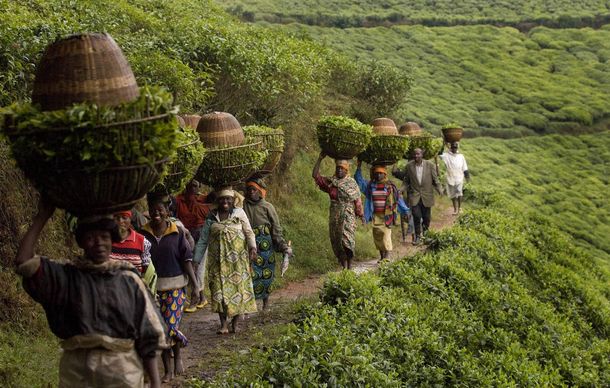
Rwanda boasts naturally favorable conditions for coffee cultivation, primarily located on hillsides between 1,700 and 2,000 meters above sea level — which is also why it’s called the “Land of a Thousand Hills.” The volcanic soils are rich in minerals, and abundant sunlight provides ideal growing conditions for coffee trees. Notably, Rwanda’s coffee industry is almost entirely operated by smallholder farmers, with each household managing only 0.1 to 0.2 hectares on average — a stark contrast to the large farms of several hectares common in Brazil. This small-scale, intensive farming model contributes to the distinct terroir expression of its coffees.
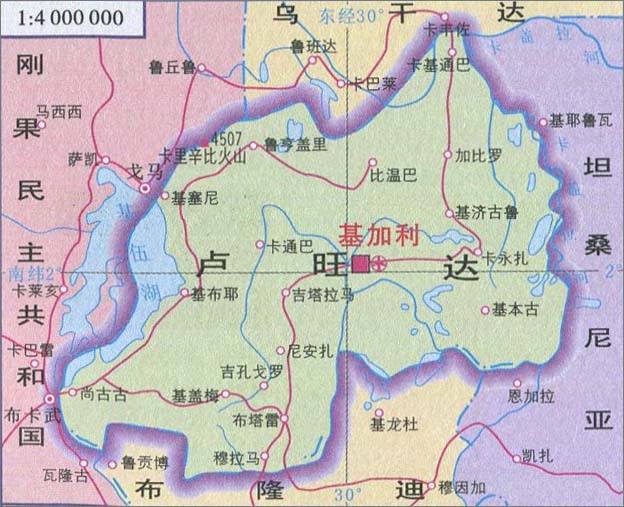
Rwanda’s specialty coffee mainly comes from the southern and western regions. The Huye Mountains and Nyamagabe in the south, due to higher altitudes, often produce coffees with fresh floral notes and citrus tones. In the western Nyamasheke region, near Lake Kivu, the humid climate and fertile soil nurture coffees with juicy bodies, intense aromas, and rich flavors. While flavor differences between regions are not extreme, careful tasting and training can still discern their subtle distinctions.
The development of Rwanda’s coffee industry has been full of ups and downs. As early as the beginning of the 20th century, German and Belgian colonists introduced coffee, and although production increased, under colonial rule, farmers faced exploitation, suppressed prices, and heavy export taxes — all of which led to consistently poor coffee quality. Even in the early years after independence, the industry faced numerous challenges. The 1994 genocide further halted progress. It wasn’t until after 1995, with support from the government and international organizations, that the coffee sector gradually recovered and began focusing on quality improvement and market diversification.
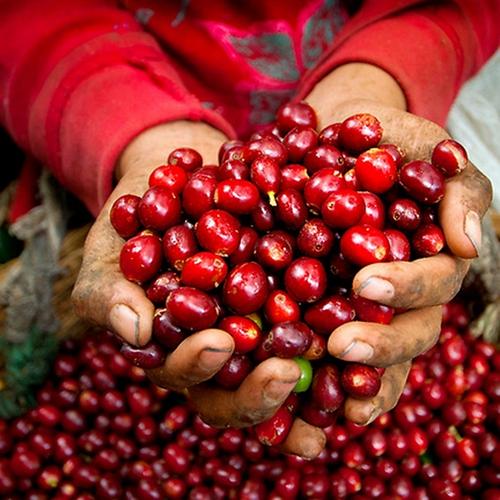
In terms of varieties, over 90% of Rwanda’s coffee trees are Bourbon or its derivatives — a classic Arabica variety originating from Réunion Island, later introduced to Brazil and then spread across Latin America. The Bourbon variety is known for its relatively strong disease resistance and flavorful profile, especially in high-altitude environments where it can express richer aromas and brighter acidity. Interestingly, Bourbon cherries turn from green to yellow and orange, and eventually deep red as they ripen, hence also referred to as “Red Bourbon.” When grown at high altitudes, this type of Bourbon often exhibits complex flavors reminiscent of wine.
However, Rwanda’s early post-harvest processing methods were far from optimal, significantly affecting the final coffee quality. Due to a lack of immediate processing facilities, harvested coffee cherries were often piled up together, leading to poor ventilation and resulting in over-fermentation or mold — thus producing defective flavors. Additionally, as most coffee came from smallholders averaging just around 183 trees per household, tracing single-origin coffee was extremely difficult, making it hard to maintain consistent quality. These issues posed major obstacles to Rwanda’s coffee reaching specialty-grade status in the early years.
The turning point came in 2000, when, with support from the USAID-sponsored PEARL and SPREAD projects, Rwanda began building coffee washed processing facilities on a large scale. To date, over 46 such facilities have been established. These washing stations not only improved processing efficiency but also greatly enhanced quality control — forming a cornerstone for Rwanda’s coffee to enter the international market.
Rwanda’s coffee is mainly processed using the washed method, which involves: manually selecting ripe red cherries, removing the pulp and skin, fermenting them in water for 12–18 hours to remove the mucilage, and finally spreading the beans evenly to dry until their moisture content drops below 14%. Washed processing clearly highlights the intrinsic flavor characteristics of the beans and is the best way to understand a region’s terroir. When recommending specific regional coffees, washed beans are typically preferred to more accurately capture the area’s unique flavor profile.
Take the Gesha washing station in Rwanda’s Nyamasheke region as an example. It was established by local young trader Fidele Ndagijmana, who, seeing the market potential for specialty washed coffee, applied to the government to build processing facilities. In its first year, it processed over 170 tons of coffee cherries and continued upgrading equipment and storage conditions during off-peak seasons, striving to provide higher-quality beans. He also actively expanded coffee cultivation in the surrounding areas, further enhancing raw material stability and quality.
For Rwandan coffee, it is recommended to use a medium-light roast to preserve its delicate acidity and fresh fruity characteristics. Specific roasting reference as follows: using a Yangjia 800N roaster, charge at 175°C with initial flame power at 120 and air damper at 3; turn-around at 1’36”, reduce air damper to 4 and increase flame power to 140 when temperature drops to 112°C; when the bean surface turns yellow and grassy notes disappear, it enters the drying phase; at about 8’30”, yellowing spots and black patches appear, accompanied by emerging coffee aromas, signaling first crack is near; first crack begins at 9’45”, adjust air damper to 5, develop for 1’30” after first crack, then drop at 190.6°C.
For brewing, it is recommended to use a V60 dripper, with water temperature controlled at 90°C, 15 grams of coffee, a 1:15 coffee-to-water ratio, and grind size approximately EK43s #10 (80% passing through a 20-mesh sieve in the Chinese standard). The specific technique is: start with a 30-gram bloom for 30 seconds, then pour in a slow circular motion until reaching 125 grams for the first pour; when the water level drops and is about to expose the coffee bed, continue pouring to 225 grams, then stop; wait until the water level drops again and is about to expose the coffee bed before removing the dripper. Total brew time is around 2 minutes.
Final cupping flavor profile: Rwanda Gesha washed Red Bourbon presents delightful citrus sweetness with bright and clear acidity. The mid-palate features layers of berries, apple, and citrus, while the finish brings honey-like sweetness and a well-balanced richness. The aftertaste lingers with the gentle flavors of almond and chocolate. It is a clear, layered, and premium-quality African specialty coffee.
The above content is compiled by CoffeeHunters, a coffee news website.


