








Introduction:As one of the world’s major coffee-producing regions, Indonesia is home to three major islands—Sumatra, Java, and Sulawesi—that nurture a wide range of uniquely flavored coffees. This article delves into the development of Indonesian coffee from the colonial era to the present, analyzes distinctive regional processing methods such as wet hulling and honey processing, and details renowned growing areas like Mandheling in Sumatra, Ijen in West Java, and Toraja in Sulawesi. It covers varieties, altitudes, processing methods, and flavor profiles to help coffee enthusiasts grasp key selection criteria and brewing references.
Indonesian coffee holds an irreplaceable position in the global market, with its coffee culture deeply shaped by the interplay of history, geography, and climate. Major producing regions include the three major islands of Sumatra, Java, and Sulawesi. Each region, due to its unique natural environment and traditional processing methods, produces coffee beans with vastly different flavors. Among them, Sumatra’s Mandheling is known for its full body, low acidity, and earthy, herbal notes; Java coffee has a long planting history and was among the first Asian coffees exported to Europe; while Sulawesi’s Toraja coffee belongs to the specialty grade, with limited production but highly distinctive characteristics.

The history of Indonesian coffee dates back to the 17th century, when Dutch colonists introduced coffee trees to Java, marking the beginning of coffee cultivation in the region. In 1712, the first shipment of coffee beans from Java arrived in Amsterdam, Netherlands, signifying the official entry of Asian coffee into the European market. However, the leaf rust epidemic of 1877 nearly destroyed the local Arabica plantations, forcing farmers to switch to the more disease-resistant Robusta variety. To this day, Arabica coffee accounts for only 6% to 10% of Indonesia’s total production, yet a few high-altitude regions still produce premium beans with solid structure and rich flavors.
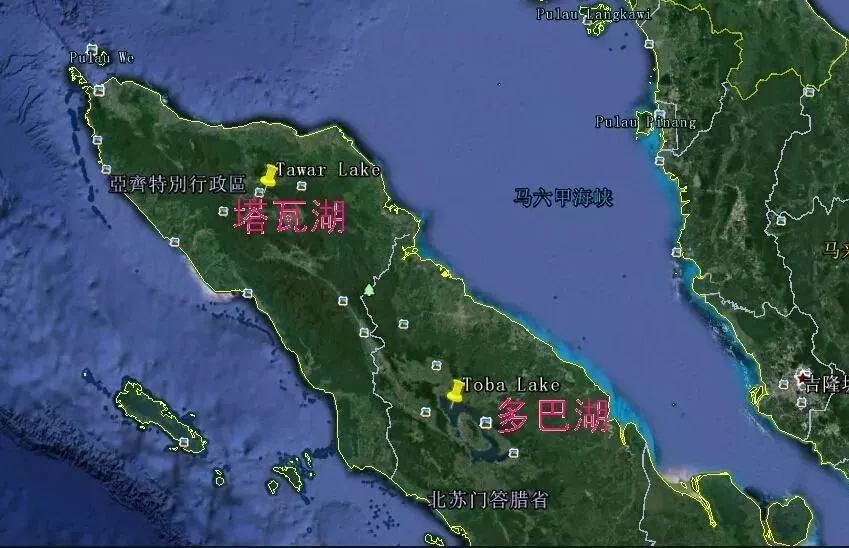
When it comes to Indonesian coffee, “Mandheling” is the most frequently mentioned name. In fact, Mandheling is not a coffee variety but a term derived from an indigenous ethnic group in Sumatra that, due to a misunderstanding, became synonymous with the region’s coffee. Sumatran Mandheling is mainly concentrated around Lake Toba, including the Toba region in North Sumatra and the Lidong area in South Sumatra. With an altitude of about 900 meters, the cool and rainy climate, along with the unique wet hulling process, results in Mandheling’s low acidity, full body, and rich herbal, dark chocolate, and cedar aromas.
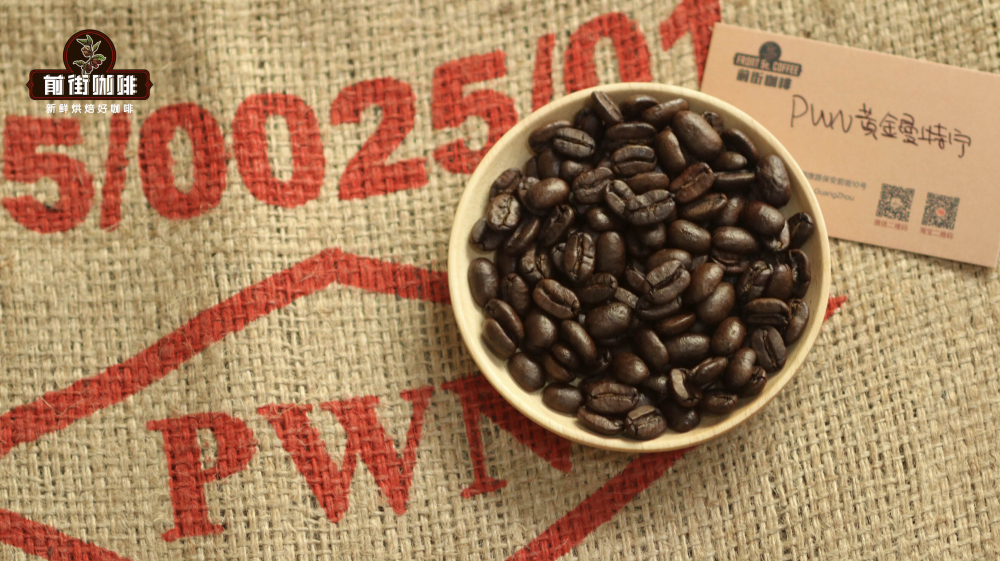
Wet hulling is a coffee processing method unique to the Sumatra region, primarily developed in response to the area’s rainy climate and limited equipment. This method involves removing the outer skin and pulp of the coffee cherry, fermenting it briefly, then drying it to a semi-dry state with 30%-50% moisture content before removing the mucilage and parchment layers, and finally continuing to dry it to 12%-13% moisture. This process not only speeds up drying but also helps the beans retain more body and unique earthy flavors, making it a key element of the Mandheling flavor profile.
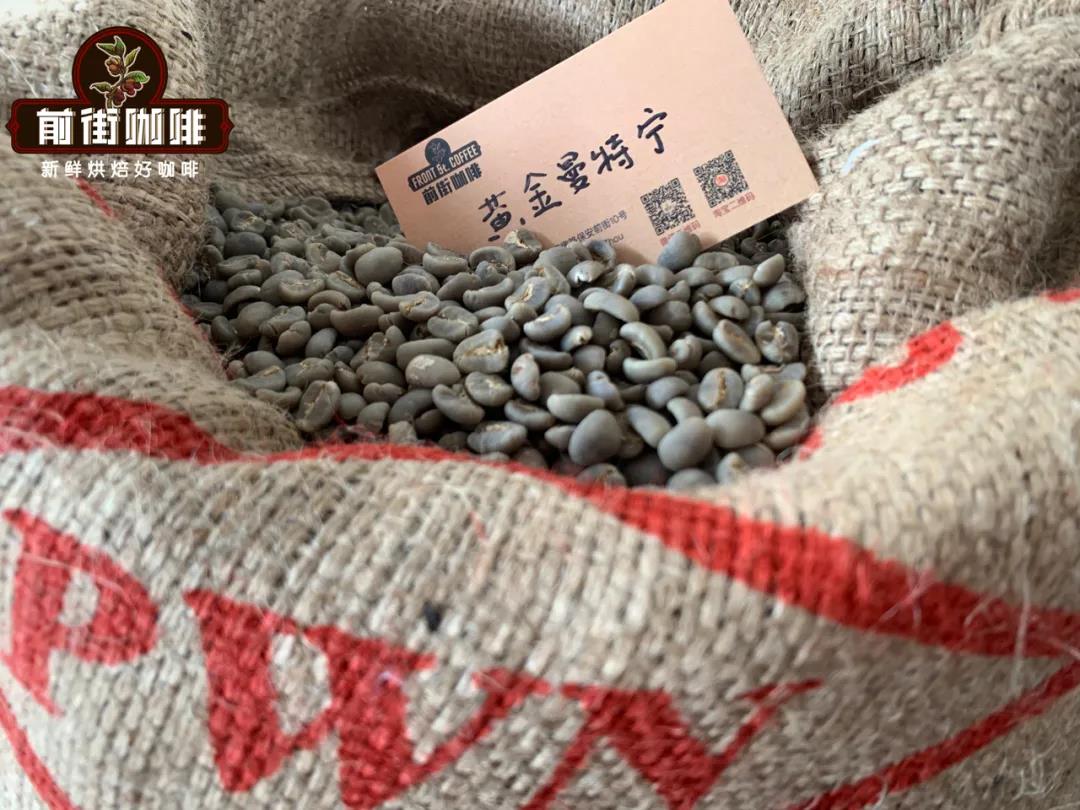
Among Sumatra’s many producing regions, Gayo Mountain in Aceh Province is considered a key source of Golden Mandheling. A certain brand’s PWN Golden Mandheling is produced here, grown at altitudes between 1100 and 1600 meters, with the Ateng variety (the local Indonesian version of Catimor), graded as G1 and hand-sorted three times, resulting in extremely low defect rates. This coffee bean offers intense sweetness and a pronounced cane sugar aftertaste, with high cleanliness and outstanding aroma, and is widely recognized by baristas as a representative Indonesian Arabica. Additionally, when purchasing, it is recommended to request the official PWN sack or certification documents to confirm its authentic origin.
Java Island, one of the earliest regions in Indonesia to cultivate coffee, has its main coffee-growing areas concentrated in West Java. The region has a tropical rainforest climate with generally high temperatures, but mountainous areas like Mount Tukulor enjoy cool microclimates suitable for growing high-quality Arabica coffee. A certain brand’s West Java Ijen coffee is produced in this area, at an altitude of about 1400 to 1600 meters, using the S795 variety (also known as Jember). It employs a combination of natural sun-drying and honey processing, imparting complex tropical fruit aromas such as mango and jackfruit, along with subtle hints of red wine and honey sweetness.
Honey processing is not common in Indonesia, but some small-scale farms in West Java use it to enhance the complexity and sweetness of their coffee. This method involves removing the coffee pulp but retaining part of the mucilage, followed by temperature- and humidity-controlled sun drying, with constant turning to avoid mold or over-fermentation. This technique allows the beans to retain more sugars and fruitiness, combining the richness of sun-dried processing with the clarity of washed coffee—a key factor in making West Java Ijen coffee stand out.
Sulawesi Island (formerly known as Celebes) is another highly promising coffee-producing region in Indonesia, particularly the Toraja area in South Sulawesi. The region features mountainous terrain with an altitude of about 1200 meters, and its soil is iron-rich yellow-red latosol, well-drained and nutrient-rich. Toraja coffee has an annual production of only about 1,000 metric tons and is considered a high-altitude specialty bean. It is processed using the semi-washed method: the coffee cherries are briefly soaked and fermented in water, then the mucilage is removed and the beans are dried with the parchment on, resulting in a clean acidity and rich caramel sweetness.
The semi-washed method is widely used in Sulawesi, mainly due to the region’s limited water resources and inconvenient transportation. Farmers often carry out initial processing on-site in the mountains. This method combines characteristics of both washed and sun-dried processes, reducing impurities while preserving moderate fruitiness and fermentation flavors. Toraja coffee often exhibits floral and citrus notes, stable mid-palate acidity, and a distinct caramel and nutty sweetness in the finish, making it ideal for coffee lovers who appreciate balanced flavors and delicate aftertastes.
In summary, the diversity of Indonesian coffee stems from its rich geographical environments and varied processing techniques. From the wet-hulled Mandheling of Sumatra, to the honey-processed Ijen of West Java, to the semi-washed Toraja of Sulawesi, each coffee showcases unique regional characteristics and processing philosophies. For consumers looking to explore Indonesian coffee in depth, understanding the altitude, variety, processing method, and flavor profile of each producing region will help in selecting beans that best match personal taste preferences and enhance the overall brewing and tasting experience.
The above content is compiled by CoffeeHunters, a coffee news website.


