








Introduction:Delve into the extraction principles and flavor essence of espresso and Americano. From the intense foundation of high-pressure brewing to the approachable taste achieved by diluting with water, this article will help you grasp the key differences between the two. It also offers practical coffee bean selection suggestions tailored to different taste preferences—bold, fruity, or bright acidity—along with home-brewing parameter guidelines, making it easy for you to brew an Americano that suits your personal taste.
Espresso and Americano are entry points for many coffee enthusiasts, but many still have questions about the definitions, preparation methods, and flavor profiles of these two beverages. Espresso is produced through high-pressure rapid extraction, yielding a rich and layered black coffee that serves as the base for classic drinks like lattes and cappuccinos. Americano, on the other hand, is made by diluting espresso with hot water, resulting in a relatively lighter and more refreshing flavor, making it more suitable for everyday drinking. This article not only provides a detailed analysis of the core differences between the two in terms of extraction techniques, flavor profiles, and brewing methods, but also recommends three distinctive coffee beans to cater to diverse palates—including a classic blend for those seeking a bold flavor, a strawberry sugar blend for those who prefer fruity and floral notes, and a sundried Huakui single-origin for those who love a bright and crisp acidity. These recommendations will help you use the right beans at home to brew your ideal Americano.
Espresso: The Intense Essence Under High Pressure
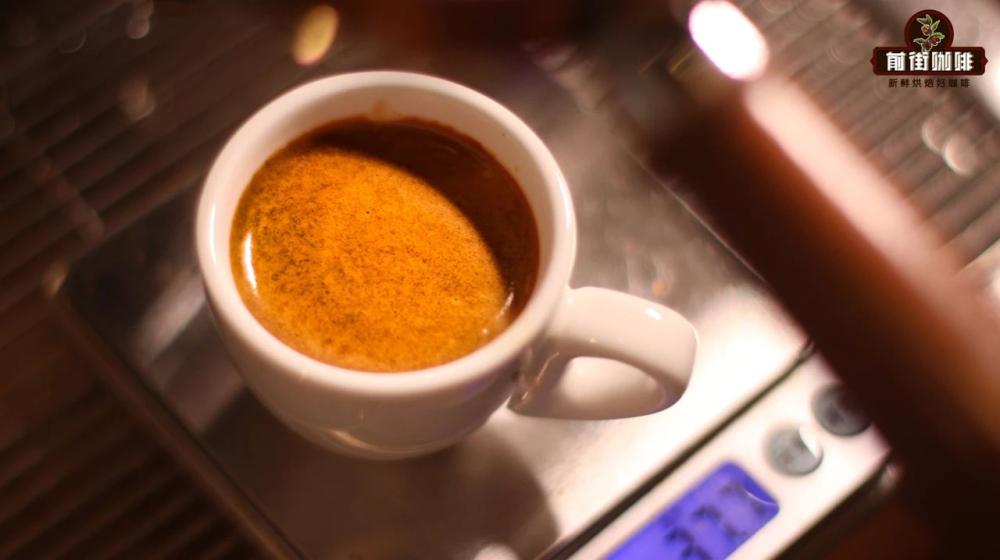
Espresso is made by pushing hot water through a compacted puck of finely ground coffee using high-pressure steam, extracting about 30 milliliters of concentrated coffee in an extremely short time (usually 20-30 seconds). The result is topped with a layer of golden, fine crema. This extraction method originated in 19th-century Italy, designed to quickly produce a flavor-concentrated cup of coffee during a busy day. Compared to traditional immersion brewing, espresso significantly shortens the brewing time, but precise control of pressure and temperature is crucial, as any deviation can affect the balance of the final flavor.
When you order an "Espresso" at a café, you’ll usually be served a glass of water first—it’s recommended to sip it to reset your palate before tasting the espresso itself. A standard espresso should have a rich body, a thick crema layer, and a unique flavor profile that varies depending on the bean type. This concentrated shot is the soul base of most coffee beverages, and understanding its characteristics is the first step in crafting the perfect Americano.

Americano: The Approachable Variation of Espresso
The origin of Americano is closely tied to American soldiers during World War II—they found the strong bitterness of espresso too intense, so they began diluting it with hot water to adjust it to a more palatable strength. This method was later widely adopted and has become a common type of black coffee today. There’s no fixed brewing ratio for Americano, but a general guideline is a 1:5 volume ratio of espresso to water (for example, 40 grams of espresso paired with 200 grams of 88°C hot water), which balances flavor expression and drinkability. For an iced version, you can use 120 grams of ice cubes with 120 grams of room-temperature water—the optimal drinking window is before the ice fully melts.
In practice, you can fine-tune the espresso-to-water ratio according to your personal taste. For instance, those who prefer a stronger flavor can reduce the amount of water, while those who prefer a lighter taste can increase the ratio. Whether hot or iced, the key is to maintain a stable water temperature (85-92°C for hot, and a good balance between ice and water for iced), to fully release the aroma and layers of the coffee.
Three Flavor-Oriented Coffee Bean Recommendations to Craft Your Ideal Americano
To brew an Americano at home that suits your personal taste, choosing the right coffee beans is key. Below are three practical blends and single-origins, selected based on different flavor preferences:
• Option for Bold Flavor: Classic Espresso Blend(Origin: Brazil, Indonesia, Vietnam | Roast Level: Medium-Dark)
It features a rich crema, a full-bodied texture, and pronounced notes of nuts, caramel, butter, and dark chocolate, making it ideal for those who enjoy a bold and hearty flavor. The medium-dark roast enhances the intensity of the flavors, maintaining a structured mouthfeel even when diluted with hot water.
• Option for Fruity & Floral Aroma: Strawberry Sugar Espresso Blend(Origin: Costa Rica, Colombia, Ethiopia | Roast Level: Medium)
This blend highlights mature grape, jam, cream, rose, and almond in its primary flavor profile. The medium roast preserves the vibrancy of the fruitiness while adding a moderate sweetness, making it suitable for those who dislike bitterness and prefer floral and fruity notes. After brewing, you can enjoy bright berry and floral layers.
• Option for Bright Acidity: Sundried Huakui Single-Origin(Origin: Ethiopia | Roast Level: Medium)
Made from sundried Ethiopian Huakui beans, this coffee showcases a complex flavor profile of berries, citrus, guava, dried mango, and caramel. The medium roast highlights its bright acidity and fruity character, making it ideal for those seeking a fresh and vibrant taste with a balanced sweet-and-sour profile. After brewing, the acidity is lively, with a natural sweetness lingering in the aftertaste.
When tasting, it’s recommended to first smell the beans to identify their characteristics (for example, the strawberry sugar blend may emit a complex aroma of berries, roses, grapes, and almonds), then adjust the espresso-to-water ratio according to your preference. No matter which beans you choose, mastering the correct extraction and blending parameters will allow you to enjoy a cafe-quality Americano at home.
The above content is compiled by CoffeeHunters, a coffee news website.


