








Introduction:Want to get into pour over single-origin coffee but not sure how to choose? This article dives deep into the flavor characteristics of the world’s three major coffee regions — Africa, the Americas, and Asia — and provides a detailed analysis of beans from popular origins such as Ethiopia, Colombia, Indonesia, and Brazil. From balancing sweetness, acidity, and bitterness, to differences in processing methods and optimal brewing parameters, it will guide you step-by-step to find the pour over beans that suit you best and savor the unique charm of each region.
If you’re planning to try pour over single-origin coffee but feel unsure about which region to choose, this article will serve as a practical guide for beginners. Starting with the definition of specialty coffee, we’ve compiled an overview of the world’s three major regions — Africa, the Americas, and Asia — and provided detailed descriptions of the pour over flavor profiles of well-known origins such as Ethiopia, Colombia, Indonesia, Brazil, Guatemala, Costa Rica, Yunnan, and Panama. This will help you find the one that best matches your personal taste preferences.
When it comes to coffee rankings, many people ask: “Which coffee tastes the best?” In reality, such rankings often resemble price lists — for example, Blue Mountain, Panamanian Geisha, and Indonesian kopi luwak are all high-priced coffees on the global market. But “tasting good” is a highly subjective experience with no absolute standard. Expensive beans may not necessarily suit your palate. The best cup is the one that truly suits you.

With the rise of the third wave of specialty coffee, more and more consumers are moving away from traditional Americanos or espressos and exploring the world of pour over and single-origin coffee. Especially in the busyness of daily life, taking a moment to pour over a cup of black coffee can bring a rare sense of relaxation and satisfaction.
So, what is specialty coffee? Does a higher price mean better quality? Actually, the term “specialty coffee” was first introduced in 1974 by Erna Knutsen, known as the “godmother of specialty coffee,” to distinguish high-quality coffee from regular commercial beans. She emphasized that the key to specialty coffee lies in the natural conditions of the origin — such as altitude, climate, soil, and processing methods — which create the unique “terroir flavors.” It wasn’t until the establishment of the Specialty Coffee Association of America (SCAA) in 1982 and the setting of a cupping score threshold of 80 points or above in 2009 that this concept gradually gained widespread recognition.
For those new to coffee, most start with espresso or American-style drinks, and as their taste evolves, they gradually come to appreciate the purity of black coffee. Black coffee is a beverage made by directly extracting the flavor of coffee without adding milk or sugar. Compared to flavored drinks, it better showcases the original characteristics of the beans, and is also the ultimate goal pursued by many coffee enthusiasts.
Next, let’s explore in depth: How should you choose pour over coffee beans? In fact, whether it’s a single-origin or espresso blend, freshness is the top priority. Single-origin coffee places more emphasis on differences in origin, altitude, and processing methods, which are typically divided into two main categories: washed and natural, with subsequent variations including honey and wet-hulled processes. Generally speaking, African coffees often feature prominent floral and fruity aromas with bright acidity; Asian coffees tend to show rich, herbal, and nutty notes; while American coffees usually have balanced chocolate and nut flavors. This brand’s selection strategy focuses on washed processing, highlighting the most representative flavor characteristics of each origin.

First up is Ethiopia, the birthplace of coffee and the largest producer in Africa, known for its wide variety of beans often named after their regions, especially Yirgacheffe and Sidamo. Yirgacheffe is mostly washed processed — for example, classic washed Yirgacheffe often has delicate jasmine floral notes, bright lemon acidity, and berry tones. Sidamo, on the other hand, is predominantly natural processed, such as the Sidamo Natural Huaca offered by this brand, which boasts rich berry and floral aromas, along with sweet aftertastes of jackfruit, melon, and honey. Ethiopian beans vary greatly in flavor across regions, and this brand offers over a dozen samples from different micro-regions — such as Yirgacheffe Kochere, Natural Red Cherry, Konga, and Gesha Village Red Label — allowing coffee lovers to explore various possibilities.
Moving south to South America, Brazil is the world’s largest coffee producer, renowned for its stable output and diverse flavors. Many consumers seeking non-acidic coffee often turn to Brazilian beans as their first choice. Because Brazilian coffee is mostly grown in sunny environments where fruits ripen quickly and the beans are softer, the resulting flavors tend to be gentle in acidity, distinctly sweet, with a delicate mouthfeel and overall balance. Recommended everyday beans from this brand include Brazilian Semi-Washed Red Bourbon, as well as the more advanced pour over option: Brazilian Queen Estate Coffee.

When it comes to Indonesia, many people first think of kopi luwak, but its rarity and special fermentation method aren’t ideal for beginners. More representative is Indonesia’s signature Mandheling coffee, which uses the wet-hulled (Giling Basah) process — a unique technique developed locally due to climatic and economic constraints. The wet-hulled process gives Mandheling its bold, rich flavor with herbal and spicy undertones, smooth texture, and layered complexity. This brand offers choices such as the Indonesian Lintong Mandheling everyday bean and PWN Golden Mandheling, the latter being widely praised for its clean and smooth profile.
Colombian coffee is one of the few single-origin beans marketed by country name. Its mild climate and humid, variable conditions allow for year-round harvesting, resulting in diverse flavors. Colombian coffee often features floral notes and soft fruit acidity, with a rich body and long-lasting finish. The brand’s Colombian everyday beans mainly come from the Huila region, which sits at over 1,500 meters altitude with excellent environmental conditions. Popular products such as Colombian Rose Valley and Flower Moon Night are favorite choices among pour over enthusiasts.
In Central America, Guatemala is known for its smoky notes and gentle acidity, representing a typical Central American flavor profile. The Huehuetenango region, surrounded by three volcanoes, has mineral-rich soil and altitudes exceeding 2,000 meters, producing coffee with intense fruitiness. The brand’s recommended everyday beans include Guatemala Huehuetenango and Fleur de Café, suitable for drinkers who enjoy full-bodied and balanced flavors.

Costa Rica is famed for its honey processing method. With high altitudes and fertile volcanic soils, it produces extremely hard beans (such as SHB grade), which excel in sweetness. Honey processing retains some mucilage, giving the coffee sweet aromas like raisins and blueberries, blended with floral notes of osmanthus and rose. The brand’s Costa Rican selections include Mozart, Bach, and Miramar — all outstanding examples of honey-processed beans.
As for China’s Yunnan, although it started later, its specialty coffee has gradually emerged in recent years. Yunnan small-bean coffee is appreciated for its nutty, brown sugar, and tea-like flavors, with production mainly concentrated in regions of moderate altitude. This brand offers three Yunnan coffees: washed small-bean, natural Catimor, and the self-grown 2013 Natural Typica, ideal for those wanting to try domestically produced specialty coffee.
Finally, we must mention Panama’s Geisha coffee, renowned for its exceptional balance of citrus, berry, and floral notes, with Emerald Estate’s Geisha being the top-tier representation. However, for those who want to experience Geisha flavors at a more affordable price, the brand recommends Panamanian Boquete Geisha from the Boquete region, which also showcases the unique charm of the Geisha variety.
No matter which origin’s beans you choose, pour over technique and bean freshness are key. It’s recommended to use the three-pour method, controlling water flow and swirling speed to adjust extraction flavors. Additionally, coffee beans are best enjoyed within 5 days post-roast, with a 4–7 day resting period to allow flavors to fully develop. If grinding is needed, brew immediately to avoid oxidation, but the best flavor still comes from whole beans ground and brewed fresh.
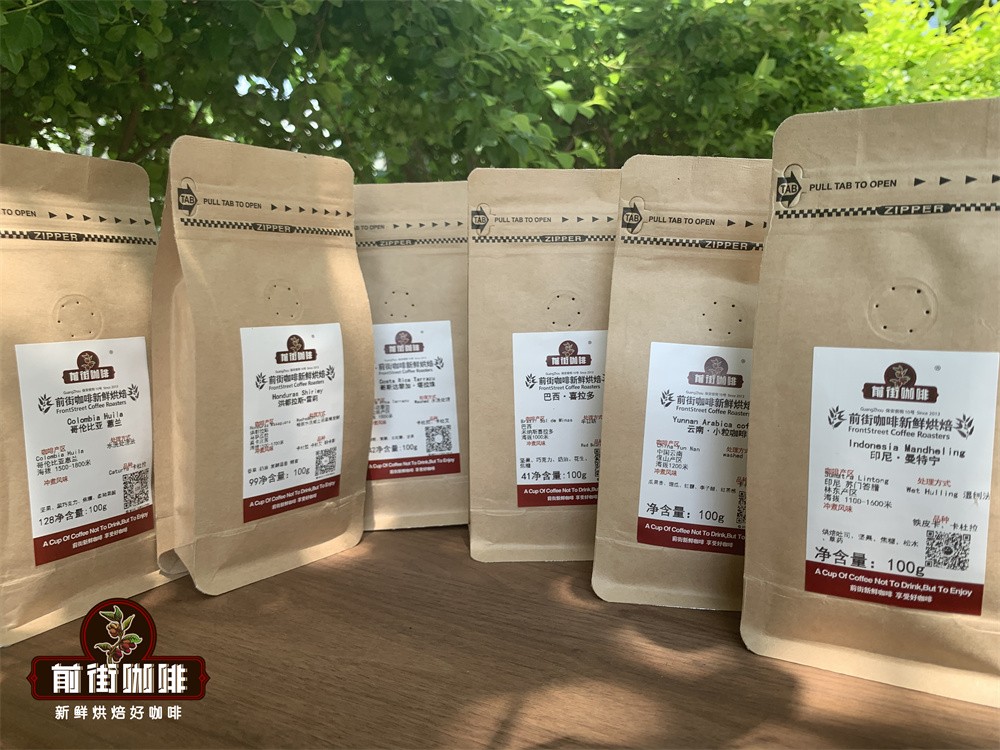
In summary, each origin has its own unique flavor profile. Choosing the right coffee beans is like exploring the cultures and climates of different countries. Why not start with pour over, experience the subtlety and depth of each coffee firsthand, and find the one that best suits your palate.
The above content is compiled by CoffeeHunters, a coffee news website.


