








Introduction:Want to brew a rich latte with a moka pot that rivals those from coffee shops, but always end up with watered-down taste and weak flavor? The key lies in properly adjusting extraction parameters and milk ratio. This article delves into how to enhance the concentration of moka pot coffee by optimizing water volume, grind size, and brewing time, along with practical milk mixing tips—so you can easily make a smooth, aromatic moka pot latte at home.
Many coffee enthusiasts purchase a moka pot because it can extract a more concentrated coffee liquid under pressure than drip methods, making it ideal for making milk-based coffee drinks like lattes. However, after actual use, many find that even with plenty of milk added, moka pot coffee often tastes weak and watery, failing to deliver the rich, smooth mouthfeel found in cafés. The issue mainly stems from two factors: first, the pressurization effect of a moka pot is far less than that of a professional espresso machine, and second, most people directly apply black coffee parameters without adjusting for the needs of milk coffee.
To create an espresso base strong enough to pair with milk using a moka pot, the primary goal is to increase the concentration of the brewed coffee. The most direct method is to control the total water volume used in extraction and appropriately adjust grind size and brewing time. Generally, under a fixed extraction yield, the less water used, the higher the concentration of the resulting coffee. However, simply reducing water volume may also lead to under-extraction, negatively affecting flavor. In this case, grinding the coffee beans finer increases puck resistance, prolongs the contact time between hot water and coffee grounds, thereby improving overall extraction efficiency and making the coffee flavor more intense and concentrated.

In short, if you want to brew coffee with a moka pot that pairs well with milk, it’s recommended to start by reducing water volume, refining grind size, and moderately extending brewing time. This approach yields a coffee base with sufficient concentration and full flavor, ensuring your final milk coffee isn’t diluted by excess water.
Next, let’s go through the actual steps and teach you how to brew a rich, smooth latte with a moka pot. First, selecting the right coffee beans is crucial, as different roast levels directly impact the final flavor profile. If you prefer a milk coffee with a rich body, intense aroma, and almost no acidity, opt for a medium to dark roast Italian blend. Classic Italian blends often feature notes of chocolate, nuts, cream, and caramel, which blend seamlessly with milk to create a full and balanced taste. If you prefer a brighter, fruitier flavor with softer acidity, choose a medium roast bean—these often have berry or floral characteristics and a relatively refreshing taste, suitable for crafting milk coffees with more layered flavors.

Once you’ve chosen your coffee beans, the next step is to adjust the extraction parameters. This demonstration uses 20 grams of coffee grounds; if your moka pot has a smaller capacity, reduce the amount proportionally. The recommended coffee-to-water ratio is 1:4, meaning 20 grams of coffee to 80 milliliters of water. This ratio helps boost the overall concentration of the coffee liquid. For initial water temperature, use near-boiling water around 100°C. If precise measurement isn’t possible, freshly boiled water is a good alternative. As for grind size, aim for fineness similar to espresso—around the fineness of flour—to ensure enough flavor compounds are extracted as water passes through.
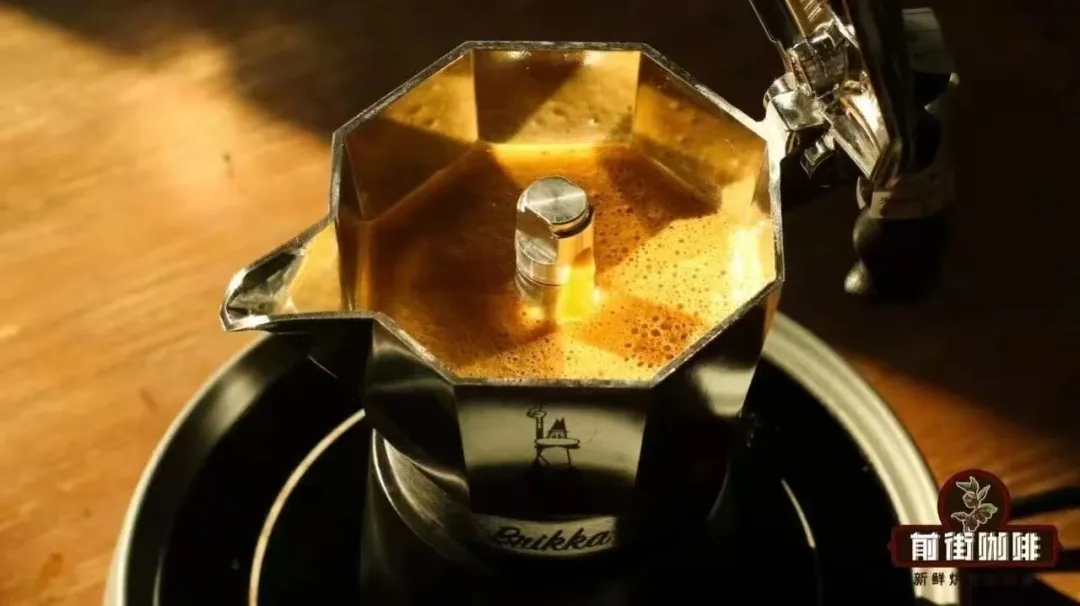
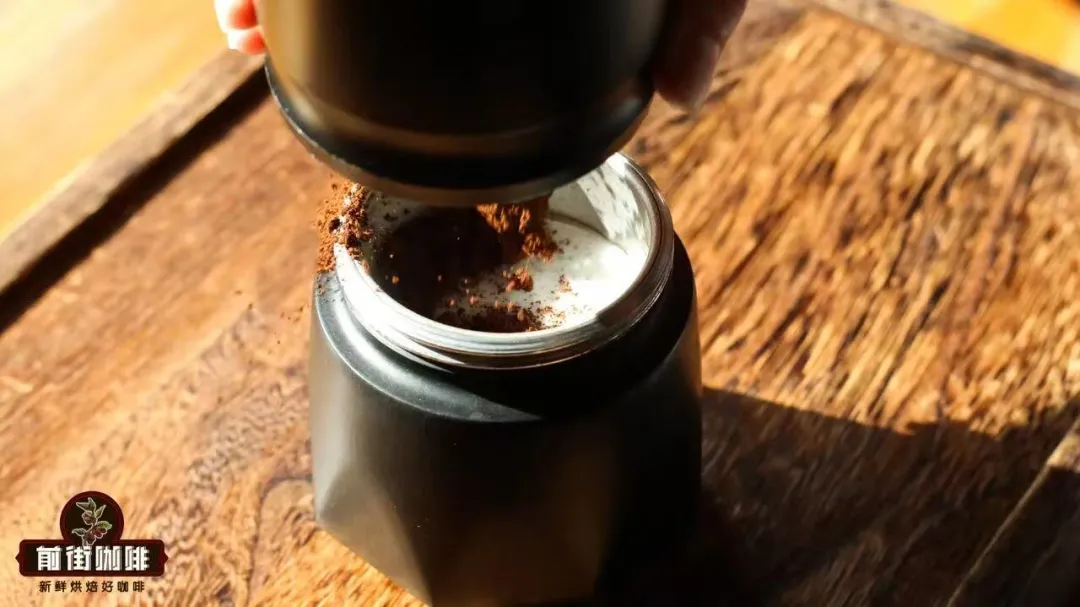
Here are the practical steps: First, pour hot water into the lower chamber of the moka pot. Next, add the prepared coffee grounds to the filter basket, gently tamp them down, and reassemble the basket into the lower chamber. Then, combine the upper and lower chambers and place the moka pot on the heat source. Turn the heat to high until you see the coffee begin to flow steadily from the spout. Once extraction starts, it’s advisable to reduce the heat or turn it off completely, using residual heat to finish brewing. This helps avoid over-extraction while maintaining flavor balance. The final yield is about 45 milliliters of coffee liquid—that’s your sufficiently concentrated moka pot coffee base.
The final step is adding milk to make a latte. Since the coffee brewed from a moka pot isn’t as concentrated as a professional espresso shot, the amount of milk should be adjusted accordingly. A recommended ratio is 1:4—45 milliliters of coffee to 180 milliliters of milk—allowing the coffee flavor and milk to blend perfectly without dilution. For a hot latte, it’s recommended to preheat and froth the milk to about 65°C; this temperature enhances the natural sweetness of lactose, making the overall drink sweeter and smoother. If making an iced latte, you can add ice cubes as needed and adjust the milk quantity accordingly to ensure the coffee flavor doesn’t become too weak due to melted ice.
In summary, as long as you master the right coffee-to-water ratio, grind size, and brewing time, a moka pot can produce a coffee base with sufficient concentration and great flavor. Coupled with appropriate milk proportions and temperature control, you can easily enjoy a café-quality rich latte at home. Remember to observe the flow rate and color changes of the coffee during brewing, and fine-tune parameters as needed to find the combination that suits your taste best.
The above content is compiled by CoffeeHunters, a coffee news website.


