







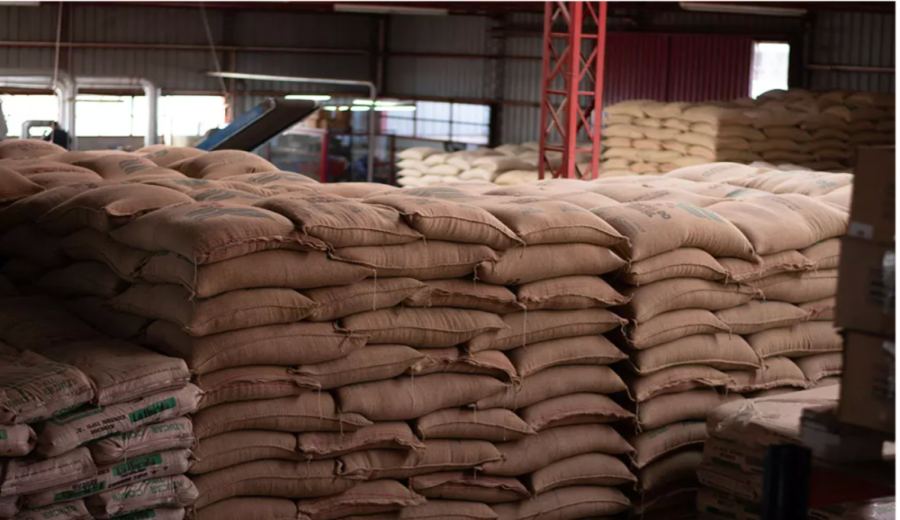
Introduction:An in-depth exploration of Yellow Bourbon, a flagship specialty coffee variety from Brazil, highlighting its unique flavor profile. From the pulped natural processing method to the terroir of the Mogiana region, we detail the advantages of high-altitude cultivation at 1400–1950 meters. Professional pour-over parameters and a three-stage pouring scheme are provided to help coffee enthusiasts accurately highlight the sugary sweetness and dark chocolate finish, mastering the golden balance point of medium-roasted Brazilian beans.
As the world’s top coffee producer, Brazil is renowned for its stable output of high-quality beans that combine low acidity with nutty notes.Queen Estate Yellow BourbonAs the country’s iconic variety, it develops a distinctive sweetness profile at elevations of 1400–1950 meters in the Mogiana region—transitioning from bright citrus aromas to a rich dark chocolate finish, showcasing the refinement of Brazilian coffee craftsmanship. This article will systematically decode its flavor code, covering:Details of the pulped natural processing techniqueandthe golden pour-over extraction parameters.
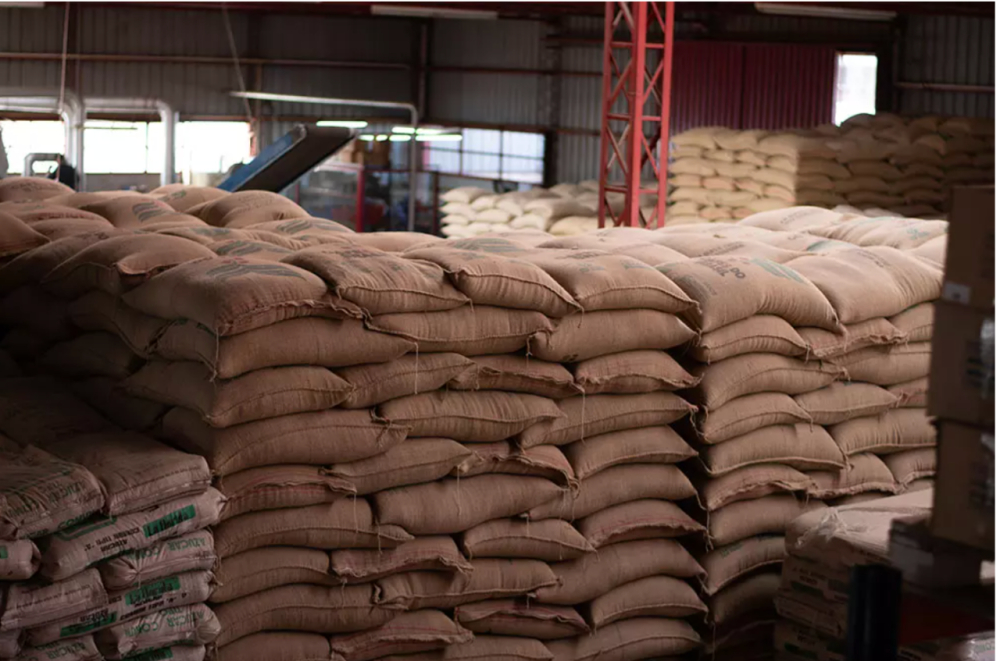
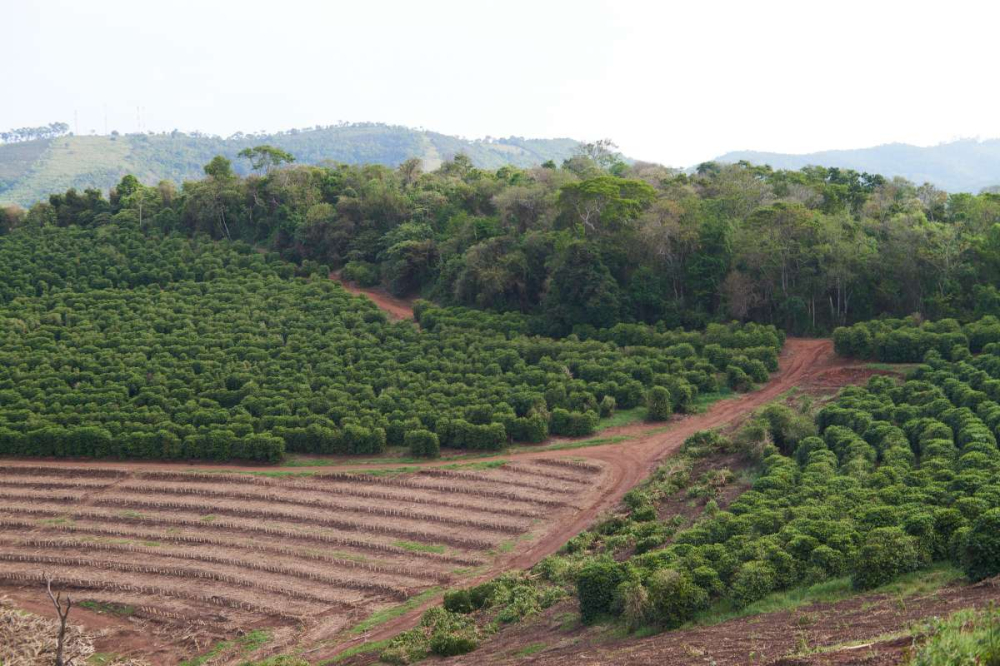
Brazil’s coffee industry has evolved through colonial plantations, government regulation, and market-oriented transformation, gradually establishing a production structure centered on the four major regions:Minas Gerais, São Paulo, Bahia, and Espírito Santo. Among them,South Minas (above 1100 meters elevation)andCerrado (strictly limited to 1100–1300 meters), due to their microclimate differences, have become important cradles of specialty coffee. Notably,the Mogiana regionhas successfully cultivated a unique sugary sweetness by blending traditional large-scale farms with modern smallholder operations.
As a Bourbon variety, Yellow Bourbon exhibits the hallmark golden-yellow color when the fruit ripens.Queen Estate employs entirely manual harvesting,selecting only fully ripe coffee cherries. The high-altitude environment slows plant growth, concentrating flavor compounds. The estate’s higher elevation and well-preserved ecology, combined with mechanical picking and manual sorting, ensure raw material consistency—this is the key prerequisite for achievinga low defect rate.
Brazil’s innovativepulped natural processing methodis perfectly suited to its mixed plain-and-plateau terrain. Compared to traditional sun-drying, this process precisely controls mucilage fermentation time (typically reduced by 30%–50%), minimizing mold risks while enhancing cleanliness. The specific steps include: ① Two screenings to remove unripe cherries ② Limited fermentation with mucilage retained ③ Direct drying without water immersion. This improvement results in coffee withhigher sweetness purityanda more balanced sweet-acid ratio.
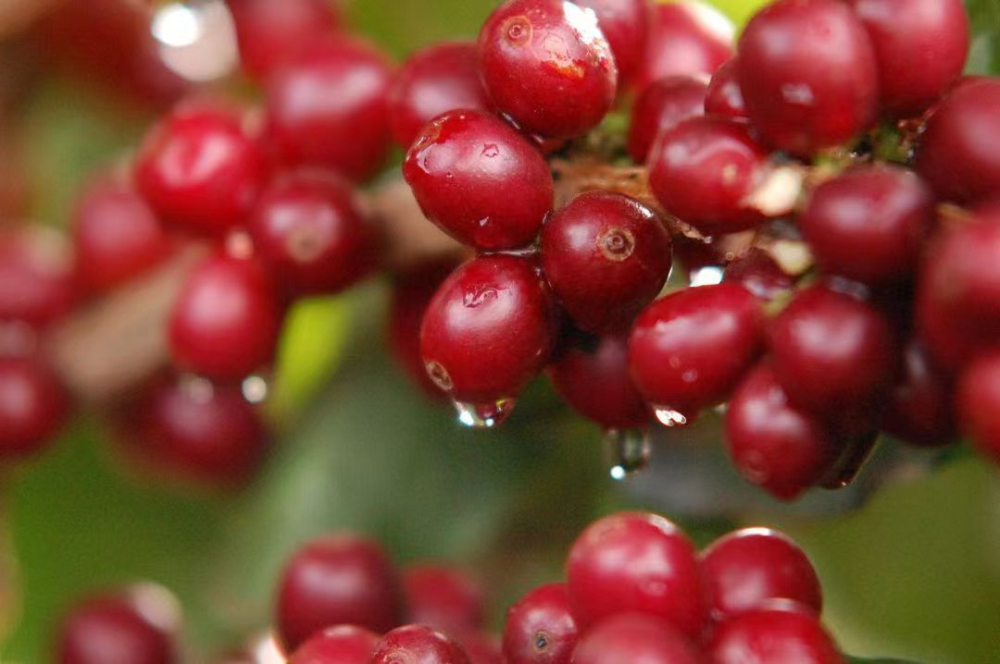
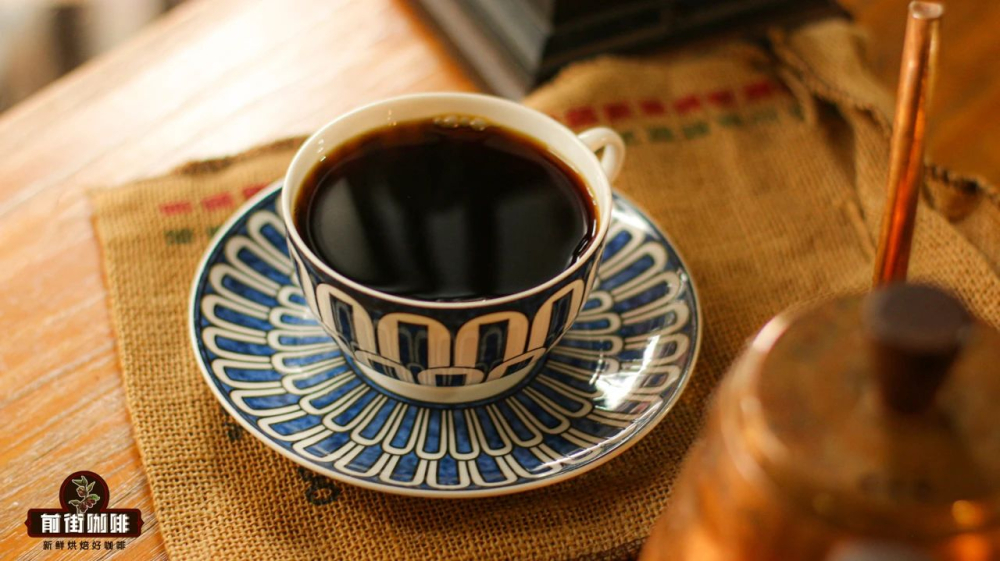
For brewing Queen Estate Yellow Bourbon, we recommendmedium-coarse grinding (75% passing through a #20 sieve)with a 1:15 coffee-to-water ratio. Specific parameters are set as follows:
• Grind size: Medium-coarse particles for medium roasts
• Water temperature: 88°C (precisely controlled to avoid over-extraction)
• Pouring stages: First stage—30ml bloom for 80 seconds → Second stage—100ml poured in circles → Final stage—95ml added
• Total brew time: Strictly controlled within 2 minutes
This scheme effectively highlightssugary base sweetnessandnutty core flavorswhile avoiding the sharp acidity caused by high temperatures.
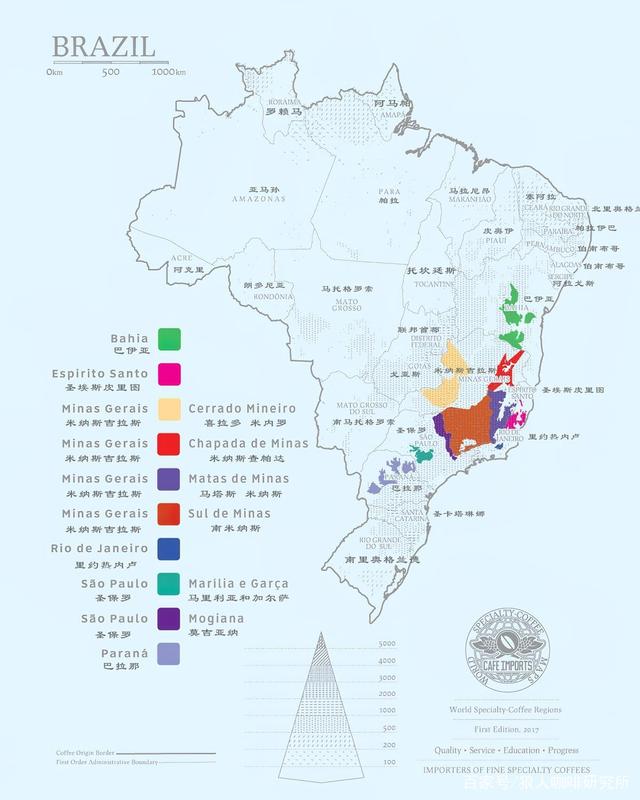
Additional regional characteristic references:
• South Minas: Day-night temperature variations produce complex floral and fruity notes, ideal for drinkers who prefer citrus profiles
• Cerrado: The savanna environment imparts clean, full-bodied qualities—note to select products meeting altitude standards
• Queen Estate: Combining mechanized harvesting with manual selection ensures uniform bean plumpness
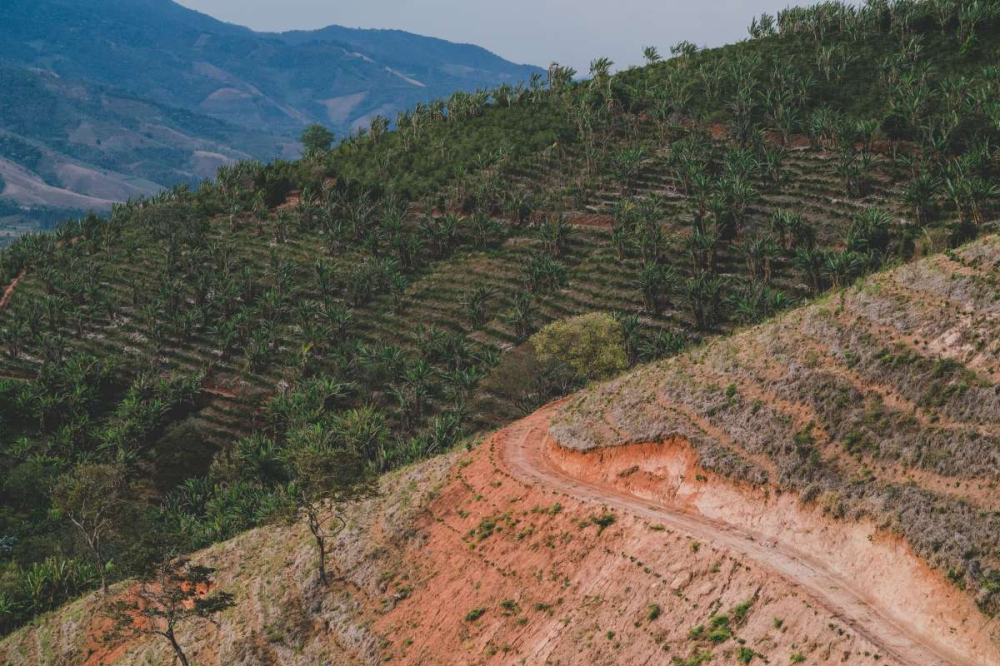
Purchase advice: Opt for coffee beans roasted 7–14 days prior, when sucrose conversion peaks. Store in a lightproof, airtight container at a constant 10–20°C to slow flavor degradation. For first-time Brazilian coffee drinkers, start withlow dosage (12–15g)to gradually identify personal taste preferences.
The above content is compiled by CoffeeHunters, a coffee news website.


