








Introduction:From G1 in Ethiopia to AA in Kenya, and from NY.2 in Brazil to various grading systems around the world, the classification labels of coffee beans from different regions can be overwhelming for consumers. These letters and numbers are not just arbitrary categories—they are directly linked to the flavor potential and overall quality of the coffee. This article delves into the grading logic of major coffee-producing regions worldwide, helping you choose beans that better suit your brewing method and taste preferences based on their grade labels.
When selecting single-origin coffee beans, have you ever been puzzled by markings such as G1, AA, or SHB on the packaging? These are not randomly assigned product grades but rather quality classification systems established by each coffee-growing region, based on local growing conditions, bean variety characteristics, and processing methods. Understanding these grading standards can help you make more scientific choices when selecting beans that meet your expected flavor profiles and extraction performance.
The grading of coffee beans originally emerged with the rise of the specialty coffee industry. As consumers began to pursue more nuanced flavors, single-origin, high-quality Arabica beans gradually became the market mainstream. To effectively distinguish bean quality, producing regions established their own rating systems based on factors such as defect rate, bean size, hardness, altitude, and cupping scores. Below, we will introduce the grading logic and characteristics of major global coffee-producing regions one by one.
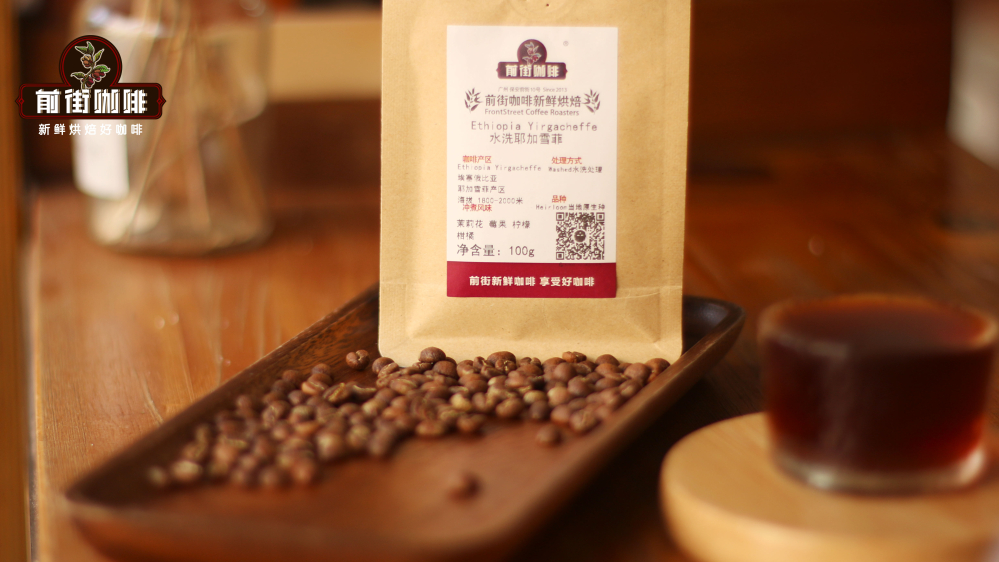
First, let’s look at Ethiopia, the birthplace of coffee, which boasts over 2,000 recorded coffee varieties. As a result, there is significant variation in bean size, making it difficult to use physical dimensions as a grading basis. The country primarily determines grades based on the number of defective beans. Before the establishment of the ECX (Ethiopian Commodity Exchange), the official grading system classified green beans into G1 to G5 based on the number of defects found in a 300-gram sample. Generally, washed beans tend to fall within the G1 to G2 grades, while early natural (sun-dried) beans, due to limitations in processing techniques, were mostly categorized as G3 to G5. However, with advancements in natural processing methods, many high-quality natural beans can now also achieve G1 to G2 grades.
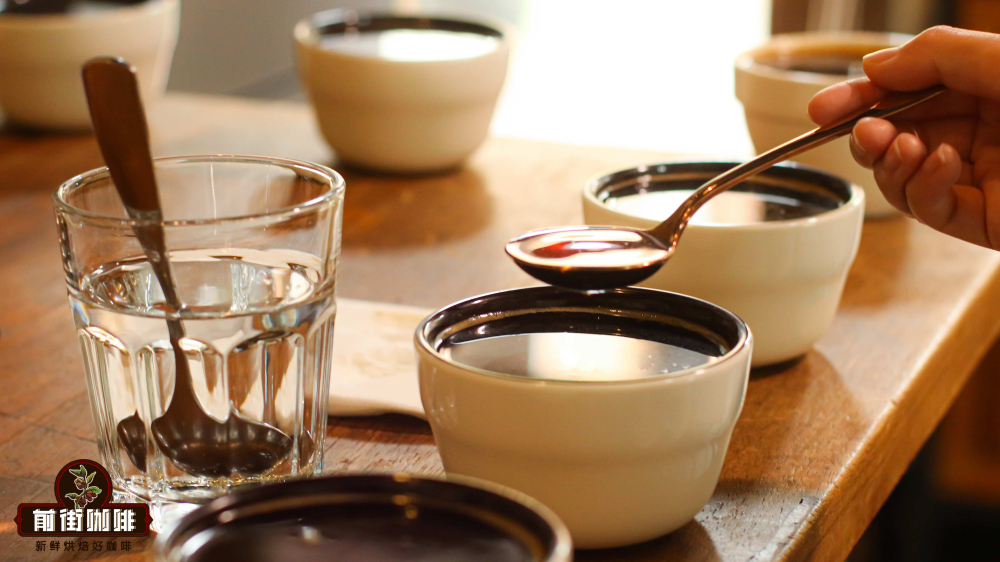
After the establishment of the ECX, a more comprehensive scoring approach was adopted, combining physical attributes with cupping flavor. Coffee is now categorized into three main groups: “Specialty,” “Commercial,” and “Local/Domestic.” Specialty and commercial grades are suitable for export, with the specialty grade further subdivided according to cupping performance and physical traits to ensure that exported beans maintain high quality and consistency.
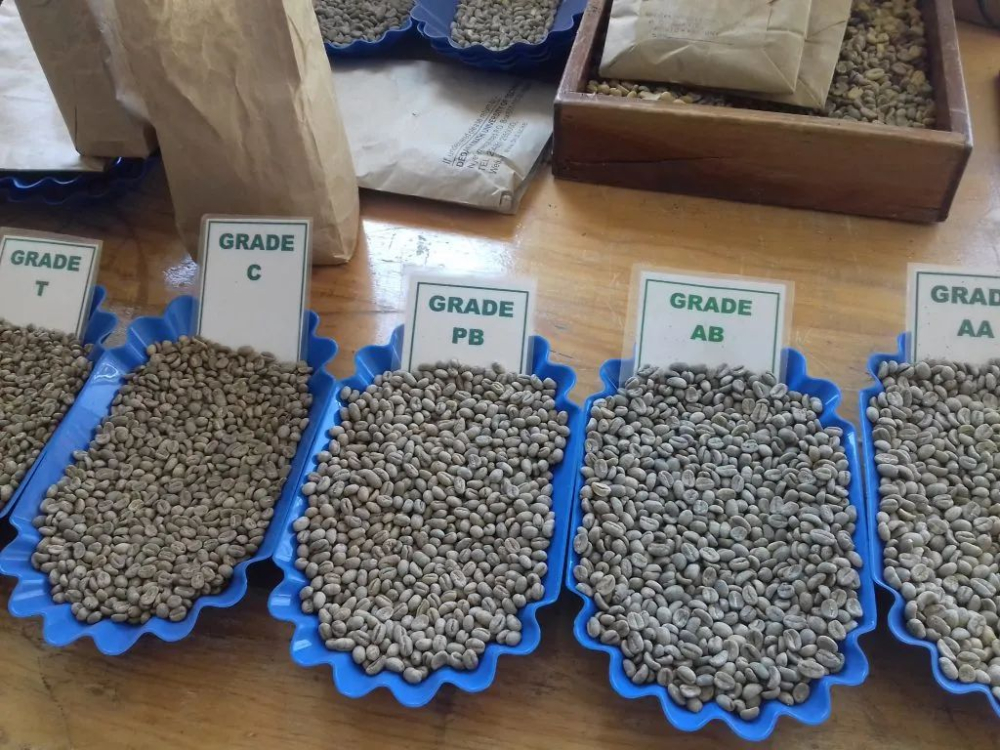
Another well-known origin, Kenya, uses bean size as its primary grading criterion. The Kenyan grading system, from largest to smallest, includes AA, AB, PB, C, E, TT, and T. Among these, AA and AB are the most common and popular grades. AA-grade beans have a screen size of about 17 to 18 (approximately 6.7 to 7.1 mm) and are considered a hallmark of high quality. However, size does not directly equate to flavor performance. AB beans are a mix of A and B sizes, with a screen size of about 15 to 16 (approximately 6.0 to 6.4 mm). PB (Peaberry, or small round beans), which occur when only one seed develops inside the coffee cherry instead of two, are small, round, and account for about 10% of total production. They are often sorted and sold separately, and some enthusiasts believe they offer a more concentrated flavor.
Grade E consists of special developmental abnormal beans where two seeds are fused together to form a single larger bean. Though large in size, they are usually considered defective. In addition, TT and T beans are lighter or broken beans screened out from higher grades and are relatively lower in quality. MH and ML refer to overripe fallen beans, which are generally for domestic consumption only and do not enter the international market.
In many regions of Central and South America, such as Guatemala, Costa Rica, and Panama, coffee bean grades are determined based on the hardness of the green beans or their altitude of origin. Higher altitudes feature greater day-night temperature variations, resulting in slower fruit growth, denser and harder beans, and richer flavors. Therefore, these regions often use “SHB” (Strictly Hard Bean) as an indicator of high-altitude, high-quality beans, applicable to regions above 1,200 meters in altitude.
In countries like El Salvador, Honduras, and Nicaragua, grading is typically based on planting altitude, using terms such as SHG (Strictly High Grown) and HG (High Grown). Generally, the higher the altitude, the higher the grade and price.
As for Brazil, the world’s largest coffee producer, its grading system combines bean size, defect count, and cupping quality. Brazilian coffee commonly follows a naming format such as “Country + Region + Grade + Cupping Grade,” for example, Brazil Santos NY.2 FC, which indicates beans from the Santos region, graded as level 2, with a cupping quality of Fine Cup (high quality). Brazilian cupping grades include Fine Cup (FC), Good Cup (GC), Fair Cup, etc. Among them, NY.2 is considered a mark of high quality because NY.1 is almost nonexistent in reality—beans with zero defects are extremely rare.
Colombia often uses green bean particle size as its grading basis, with common grades such as Supremo and Excelso, frequently accompanied by FNC (Colombian Coffee Growers Federation) certification to guarantee product origin and quality. Packaging labels such as Colombia Huila Supremo SC17/18 FNC indicate that the beans are from the Huila region, of Supremo grade, with a bean size of 17/18, and certified by FNC.
Other examples include Jamaican Blue Mountain coffee, renowned for its strict barrel packaging and top-tier quality control. It is divided into Blue Mountain No. 1 to No. 3 and Blue Mountain Peaberry, with only beans meeting specific weight and specification criteria allowed for export. It is recognized in the market as a high-priced specialty. Hawaiian Kona coffee, on the other hand, is divided into Type 1 (regular flat beans) and Type 2 (peaberries), each further subdivided into multiple grades. Its overall quality is stable, with refined processing, making it another choice favored by premium consumers.
In summary, coffee bean grading systems vary across regions, whether based on defect rate, bean size, altitude, or cupping score. These labels are key indicators for understanding a bean’s potential flavor and quality. Familiarizing yourself with these grading systems will help you make more informed purchasing decisions and find the cup of coffee that best suits your brewing habits and taste preferences.
The above content is compiled by CoffeeHunters, a coffee news website.


