







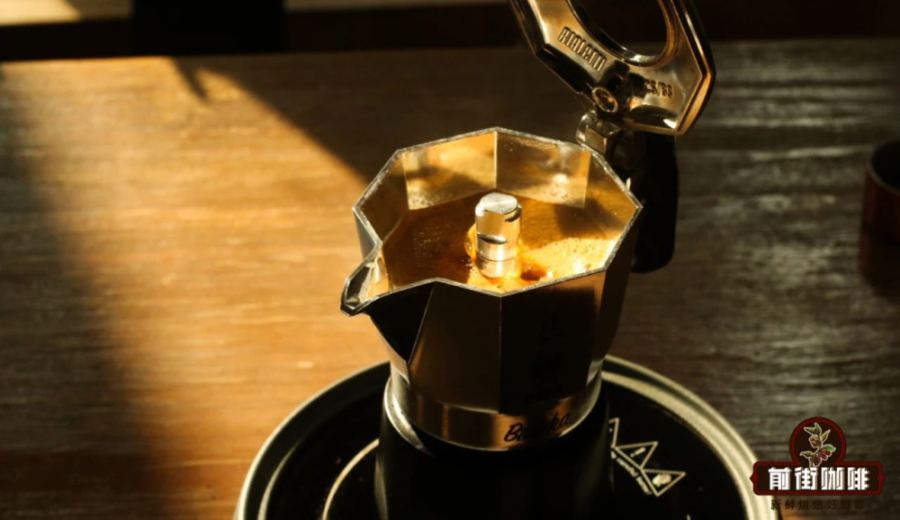
Introduction:The Moka pot is an essential household item for many coffee enthusiasts. It’s simple to operate yet capable of brewing richly flavored coffee. This article delves into the working principle of the Moka pot, the types and roast levels of coffee beans that suit it best, and provides a detailed guide on usage steps and key parameters. It also compares the Moka pot with other brewing methods. Additionally, five practical everyday beans are handpicked to help you get started easily and brew coffee with captivating crema.
As a classic and practical home coffee brewing tool, the Moka pot is widely loved for its simple structure, ease of use, and ability to produce rich coffee with crema. Originating from Italy, this device uses steam pressure generated by heating the lower chamber to push hot water through medium-fine ground coffee, resulting in a cup of coffee with concentrated flavor and rich mouthfeel. Although its extraction flavor still falls short compared to professional espresso machines, it is an extremely convenient and cost-effective choice for home or outdoor use.
The basic principle of the Moka pot is to use heated water in the lower chamber to generate pressure. When the pressure reaches a certain level, it pushes the hot water through the coffee grounds in the upper chamber, eventually collecting as brewed coffee in the top part. This process is similar to making espresso, but the pressure is usually only about 1–2 atmospheres, so it isn’t strictly espresso. Nevertheless, it can still deliver a similarly intense flavor and delicate crema.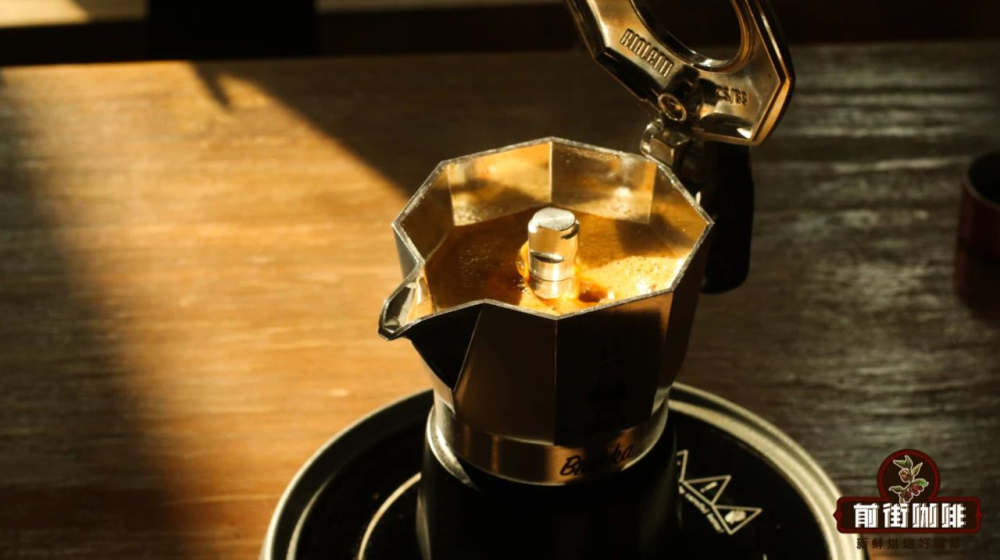
The advantages of using a Moka pot include its compact size and portability—it can be easily used even when hiking or camping. It also has a low learning curve; mastering just the heat level and grind size allows even beginners to get started quickly. Moreover, the Moka pot has a sturdy and durable structure, is not prone to damage, and is suitable for users who are often on the go or prefer a simple brewing method. With a bit of practice, you can steadily brew a cup of strongly flavored coffee with golden crema.
However, the Moka pot also has its limitations. Due to its brewing method and pressure conditions, the flavor profile of the coffee it produces is not as clear or bright as that of pour over or specialty espresso. It also struggles to showcase delicate fruit acidity or complex aftertastes. As a result, it is less commonly seen in specialty coffee shops that pursue ultimate flavor and detail. But if you value strong flavor and convenience, the Moka pot is undoubtedly a high-scoring choice for home use.
From a technical perspective, although the Moka pot operates using pressure, its extraction method is closer to drip brewing rather than high-pressure espresso. However, by using medium-dark roasted coffee beans and a moderate grind size, it can still highlight the intense aroma and deep bitterness characteristic of Italian coffee. Especially when a thin layer of crema forms on the surface of the coffee, it further brings out the unique charm of Italian-style coffee. For this reason, many Italian households still habitually use the Moka pot as their daily brewing tool.
The Moka pot mostly features the classic hourglass shape, though there are various creative designs on the market. Its internal structure and operating principles remain largely the same. To use it, add an appropriate amount of water to the lower chamber up to the safety valve, fill the upper filter basket with medium-fine ground coffee, then assemble and heat the pot. When the water is heated to generate sufficient pressure, it will push the water through the coffee grounds, and the brewed coffee will eventually flow into the upper chamber. This process requires careful control of heat and selection of grind size to ensure even extraction and balanced flavor.
Regarding suitable coffee beans for the Moka pot, it is recommended to choose medium-dark to dark roasts. These beans generally have more intense aroma and rich mouthfeel, complementing the extraction characteristics of the Moka pot. For example, beans with flavors of nuts, chocolate, or caramel often display stronger layers of taste under the influence of the Moka pot. Below are several recommended everyday beans that are both practical and have outstanding flavor performance:
1. Coffee beans from the Sigri Paradise Bird Estate in Papua New Guinea, grown at 1600–1800 meters altitude, washed processed, Typica variety, Grade AA, with clear flavor and distinct fruit acidity and floral notes.
2. Coffee beans from the Mogiana region of São Paulo, Brazil, grown at 1400–1950 meters altitude, Yellow Bourbon variety, sun-dried processed, showcasing rich flavors of nuts, chocolate, cream, and caramel.
3. Coffee beans from the Huila region of Colombia, grown at 1500–1800 meters altitude, Caturra variety, washed processed, with flavors mainly of dark chocolate, nuts, and mild fruit acidity.
4. Coffee beans from the Gayo Highlands of Aceh, Sumatra, Indonesia, grown at 1100–1600 meters altitude, G1 grade triple hand-picked, Ateng variety, processed with the wet-hulled method, featuring intense flavors of pine, herbs, dark chocolate, and nuts.
5. Coffee beans from the Yunnan region of China, grown at 1300 meters altitude, Typica variety, sun-dried processed, presenting sweet flavors of brown sugar, chocolate, nuts, and dried apricot.
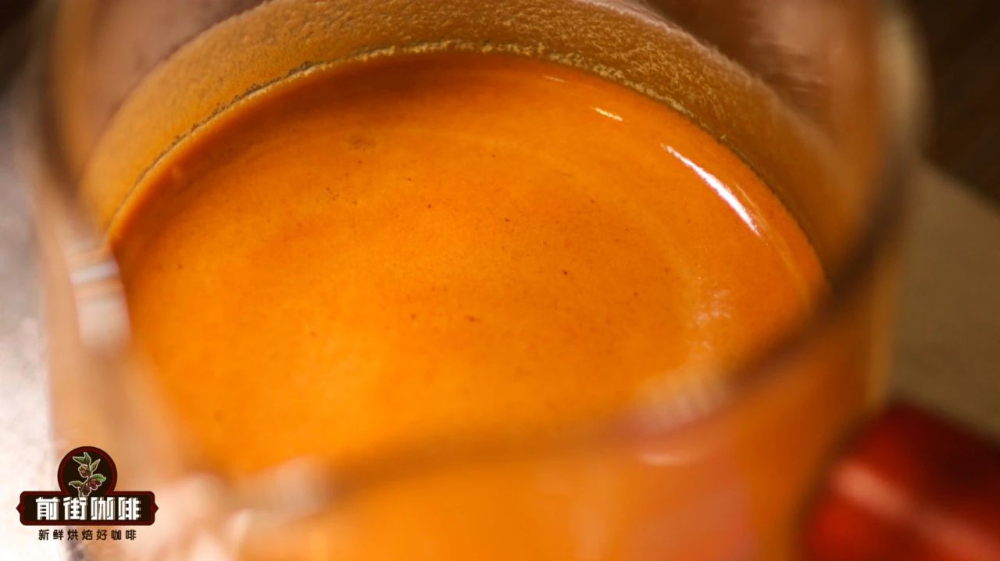
When actually using the Moka pot, it is recommended to follow these steps: First, add water to the lower chamber up to the safety valve and attach the filter basket. Then, select a medium-fine grind slightly coarser than that for espresso, fill the coffee powder into the basket, lightly tamp it to fill and level the surface, and then tightly assemble the upper and lower chambers.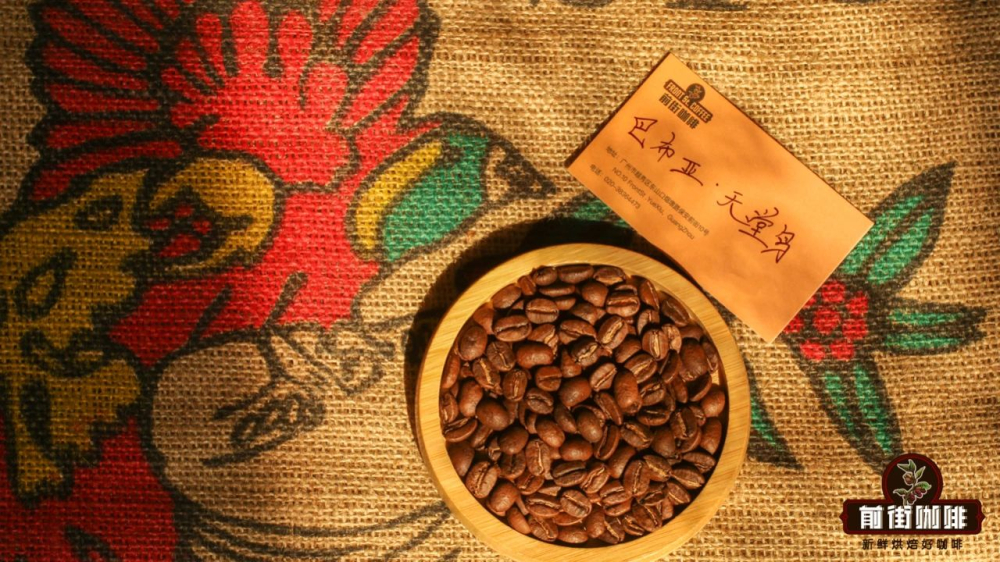 It is recommended to use low to medium heat during brewing. When you hear a distinct “wuu wuu” or “pu pu” sound, it indicates that sufficient pressure has built up. At this point, reduce to low heat and observe the flow of coffee liquid from the upper chamber. You can turn off the heat when about half of the coffee has been extracted, allowing the residual heat to finish the brewing process. Finally, pour the rich coffee with crema into a cup, and enjoy it with water or milk according to your preference.
In summary, the Moka pot is an easy-to-use home coffee brewing device with rich flavor. Although it may not match professional equipment in terms of extraction detail and flavor layers, its stable performance and user-friendly operation make it highly suitable for daily use. By mastering key elements such as grind size, heat control, and proper tamping, you too can brew a satisfying cup of Italian-style coffee with the Moka pot.
The above content is compiled by CoffeeHunters, a coffee news website.


