







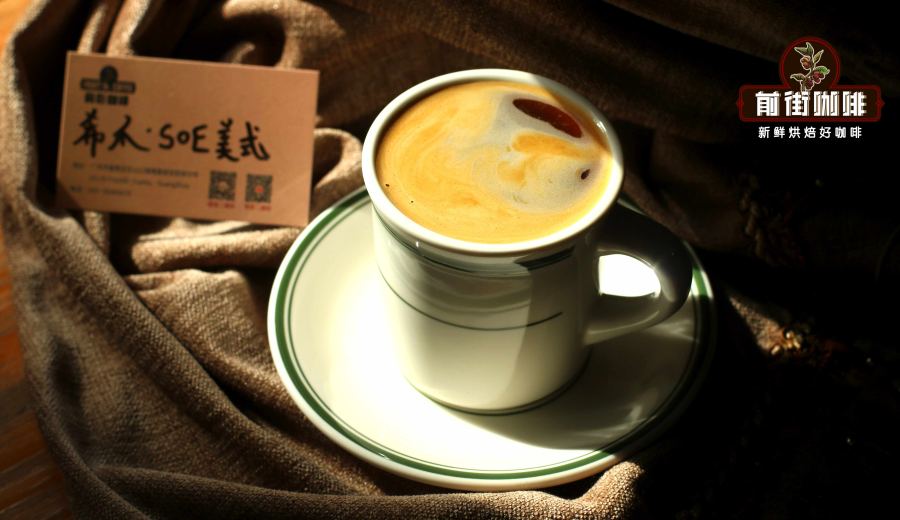
Introduction:When many beginner coffee drinkers first taste a SOE (Single Origin Espresso) americano with acidity, they often worry whether the beans are stale or improperly stored. In reality, coffee beans naturally contain a variety of organic acids, and different roast levels significantly affect how acidity is expressed. This article delves into why americanos can taste acidic, the differences in acidity between hot and iced drinks, why light-roast beans aren’t suitable for espresso, and provides suggestions for selecting bean varieties that work well for espresso extraction — helping you better understand and control coffee flavors.
When many people first try an americano with a slight acidic note, their immediate reaction is often: “Are these beans bad?” or “Have they been sitting out too long?” In fact, green coffee beans are naturally rich in various organic acids. These acids gradually break down or transform as the roasting temperature rises. Therefore, the longer and hotter the roast, the lower the overall acidity of the coffee. In other words, even if your americano has noticeable acidity, it doesn’t necessarily mean it’s of poor quality — this is actually closely related to the roast level and inherent characteristics of the coffee beans used.
However, not all acidity is pleasant. Acidity in coffee can be divided into several types. Bright, layered fruit acids (like citric acid and malic acid) often enhance a drink’s freshness and aftertaste, leaving a memorable impression. But if the acidity is overly sharp, metallic, or accompanied by astringency, it may signal issues such as an improper roast profile, uneven extraction, or suboptimal bean condition.

First, let’s understand what SOE is. SOE stands for Single Origin Espresso, which in Chinese is translated as 单品浓缩咖啡 (single-origin espresso). As the name suggests, it refers to using coffee beans from a single origin and a single variety, specifically for making espresso. This approach aims to highlight the unique flavor characteristics of that particular growing region — for example, some Ethiopian beans may exhibit distinct blueberry or citrus notes, while Indonesian beans often present complex layers of spice and earthiness. For instance, an SOE made from beans grown in the Yirgacheffe region typically has a brighter fruit acidity; in contrast, Mandheling from Sumatra tends to have a deeper, richer mouthfeel.
It’s worth noting that the SOE approach has been around for years in more mature coffee markets like Europe, America, and Australia, and is favored by many coffee enthusiasts. However, in Asian markets — especially among consumers who are new to specialty coffee — SOE hasn’t yet become as popular as traditional blends. One reason is that coffee drinking habits are still developing, and a premium-priced specialty coffee isn’t yet an everyday choice for many. Additionally, SOEs are generally priced higher than standard commercial blends, which also raises the barrier to trying them.
So why does an americano made with single-origin beans tend to be acidic? This is directly related to the nature of the coffee beans and their roast level. Coffee beans inherently contain a rich array of organic acids, including citric acid, acetic acid, malic acid, and others. These compounds decrease as roasting temperatures rise. Generally speaking, medium-dark or dark roasted beans, due to longer roast times, have their acidity significantly muted. That’s why most commercially available americanos (especially those commonly found in coffee shops) still retain some degree of acidity even when extracted under high pressure and temperature via espresso machines — and this is completely normal.
However, not all acidity is created equal. If the acidity feels lively and refreshing, like fresh fruit, and brings out layers and a pleasant aftertaste, it usually indicates a high-quality coffee. On the other hand, if the acidity is sharp and harsh on the throat, or even accompanied by unpleasant astringency, it likely points to problems during roasting or extraction — such as under-roasting leading to incomplete transformation of acidity, or improper control of extraction time and water temperature, causing unwanted acids to be overly released.
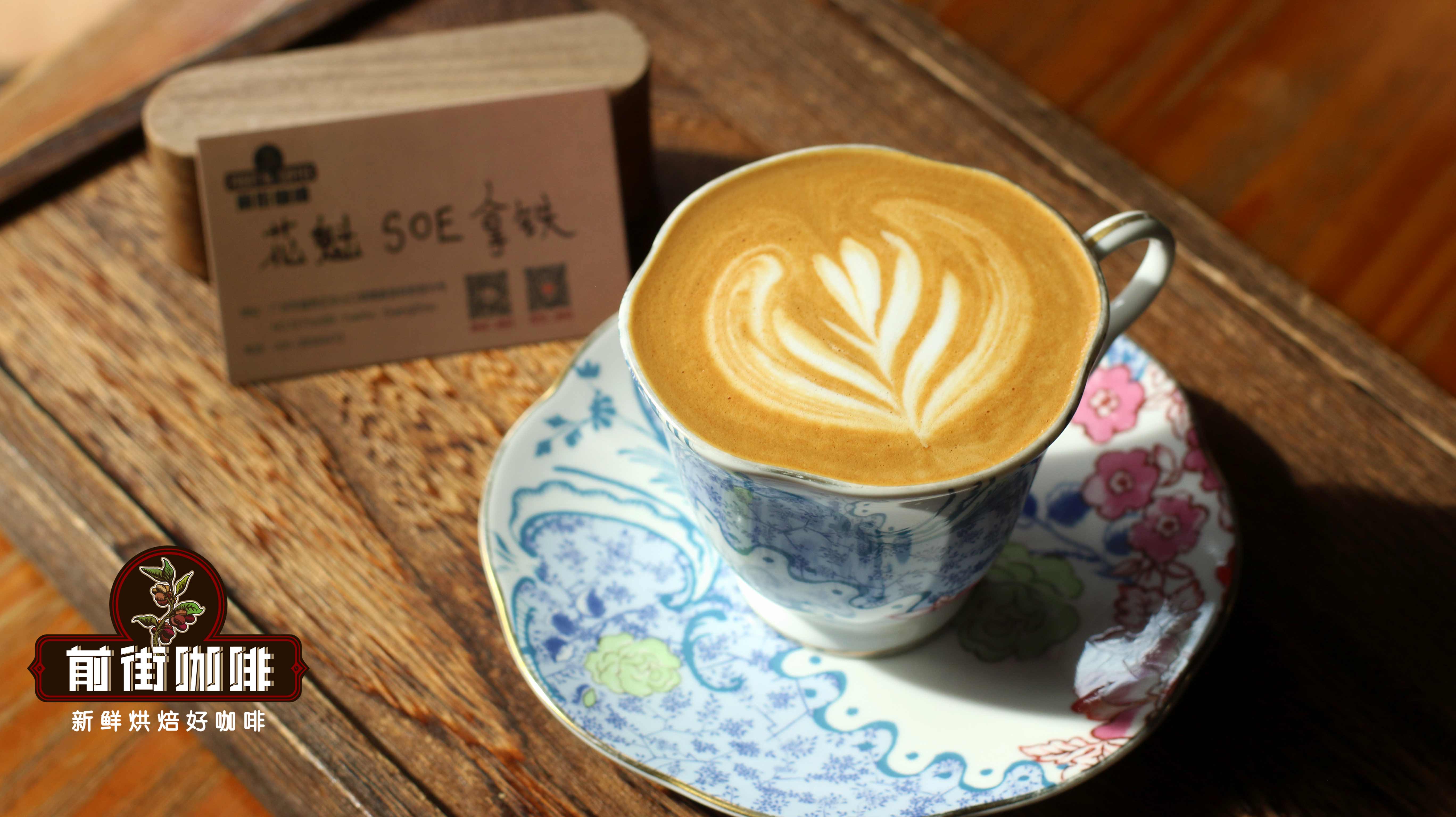
In addition, an americano is actually a product of diluting brewed espresso with hot water. When espresso is diluted, the originally intense berry or floral notes may shift into softer citrus-like acidity. This change can still feel balanced in a hot drink, but if a hot americano sits for a while, the drop in temperature and evaporation of aromas will make the acidity more pronounced. Iced americano, on the other hand, involves pouring espresso directly into ice water, causing an instant temperature drop that concentrates the acidity in the brew. Therefore, under the same extraction parameters, iced americano often tastes more acidic than hot americano.
So why do some light-roast beans that perform excellently in pour over extraction not fare as well when used for espresso or americano? The key lies in the difference in extraction methods. Pour over coffee typically uses low-pressure, low-concentration drip filtration, which slowly extracts the delicate flavors and acidity from the beans. Espresso, however, is extracted under high pressure (around 9 bar) and high temperature (around 90–96°C) in an extremely short time (25–30 seconds), resulting in a much higher concentration than pour over. This high-pressure, high-concentration extraction environment can cause the bright acidity that’s so praised in light-roast beans during pour over to become overly prominent — even harsh and unpleasant in the cup.
Therefore, if you want to make a balanced, crowd-pleasing espresso or americano at home or in a café, it’s recommended to choose a medium-dark roasted blend specifically designed for espresso. These blends are usually carefully crafted to showcase stable, enjoyable notes like caramel, nuts, and chocolate under high-pressure extraction, while still maintaining a moderate level of acidity to support the overall flavor profile. Choosing freshly roasted beans (ideally used within 5 days of roasting) and storing them properly are also key factors in ensuring good extraction quality.
The above content is compiled by CoffeeHunters, a coffee news website.


