








Introduction:Both latte and mocha are popular espresso-based coffees, but many people still can't tell the difference between the two. This article dives deep into the flavor profiles, milk foam ratios, and brewing techniques of lattes and mocas, and compares them with the often-confused cappuccino. From taste and appearance to origin, we clarify everything to help you choose your favorite coffee type more precisely.
Although both latte and mocha belong to the espresso coffee family, they show significant differences in flavor presentation and brewing methods. Latte focuses on the harmony between coffee and milk, offering a smooth and mild flavor with the characteristics of the coffee itself relatively understated. Mocha, on the other hand, depending on whether chocolate syrup and whipped cream are added, showcases different layers — from sweet and fragrant to rich, acidic, and mellow. Beyond understanding the features of these two coffees, many also often confuse latte with cappuccino, especially since the three differ uniquely in milk foam thickness, coffee ratio, and latte art style. This article will detail their respective origins, flavor compositions, and key brewing points, helping every coffee enthusiast find their own favorite.
Among the many espresso coffees, latte and mocha are very popular choices. However, if you look closely at their recipes and resulting flavors, many still easily get them mixed up. Simply put, latte is based on espresso and a large amount of milk, where the coffee flavor is softened by the milk, resulting in an overall mild and smooth taste. Mocha, depending on the version, varies: a pure mocha (i.e., mocha without additions) retains the original balance of acidity, sweetness, and bitterness of the coffee, with an elegant layered profile and higher body; whereas a mocha with added chocolate syrup and cream transforms into a colorful, sweet yet not cloying specialty coffee, beloved by those who prefer sweet flavors.
Latte coffee is one of the most representative milk-based coffees, made with espresso and steamed milk, topped with an extremely thin layer of milk foam. Originating in Italy, it was traditionally a daily breakfast choice for many families. In the past, Italians would heat coffee and milk together in the early morning, using the dimly lit kitchen to create a warm and smooth latte. The key to a latte lies in its fine and soft milk foam, usually about 1 cm thick, which allows the coffee to have a smooth texture and rich milk aroma in the mouth, while greatly toning down the bitterness of the coffee itself.
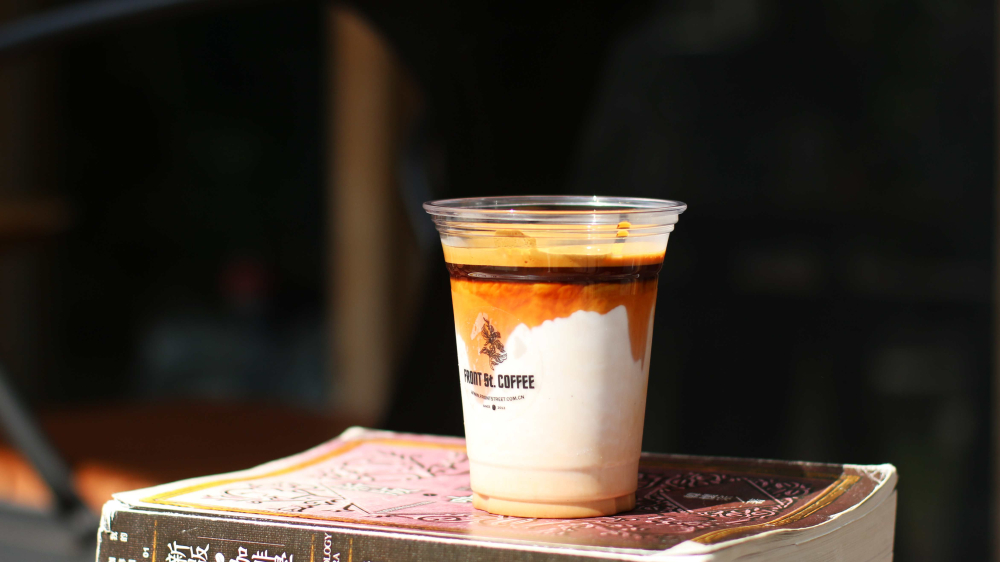
Mocha coffee (Mocca Cafe) is a complex-flavored coffee that combines espresso, chocolate syrup, whipped cream, and milk. Its name originally has deep ties to the port of Mocha in Yemen. In the fifteenth century, the area was an important transit hub for exporting African coffee beans, and the beans produced there were thus collectively referred to as Mocha coffee beans. Over time, to recreate the chocolatey aftertaste in coffee, people began adding chocolate syrup and cream to espresso, gradually forming the modern version of mocha coffee. Especially with the promotion by international chain brands, this chocolate-and-coffee combination drink has become widely known and is considered a sweet favorite by many coffee enthusiasts.
If you want to distinguish between latte and cappuccino, the most intuitive way is to observe their latte art and milk foam thickness. The milk foam required for a latte is thinner, making up about 20% of the cup. This thin foam allows the milk and coffee liquid to maintain good fluidity, thereby enabling the creation of delicate and intricate latte art patterns — which is why the term “latte art” is so widely circulated. In contrast, cappuccino has thick and dense foam, about one-third of the total volume, making it difficult to create fine patterns. Often, it is either decorated with carvings or the latte art step is simply omitted.
In terms of taste, latte and cappuccino also offer distinctly different experiences. Taking a common specialty blend bean as an example, such beans are usually medium to dark roasted, featuring aromas of cocoa, chocolate, cookies, and cream, which harmonize extremely well with milk. The standard ratio for a latte is about 70% milk, 20% foam, and 10% coffee. Due to the high proportion of milk, it feels creamy and smooth in the mouth upon drinking, with almost no perceivable bitterness from the coffee, making it suitable for those who prefer a milder flavor. On the other hand, cappuccino consists of equal thirds of milk, foam, and coffee. With a lower proportion of foam and milk, the coffee aroma is more pronounced, and the texture is as soft and fluffy as cotton candy. The overall flavor is richer and more robust, making it ideal for those who enjoy a distinct coffee taste.
Additionally, latte and cappuccino each have their own historical backgrounds. "Latte" in Italian means "milk." Originally, it was simply hot coffee with hot milk added. It wasn’t until the invention of the espresso machine that it truly evolved into the latte we know today. Cappuccino, on the other hand, was born with the popularization of the espresso machine. Its name is said to come from the color combination of the brown robes and pointed hats worn by monks, symbolizing the unique layered appearance of its coffee-colored brew and white milk foam. Understanding these backgrounds can also help you better appreciate the story behind each cup of coffee.
In summary, although latte, mocha, and cappuccino all belong to the espresso coffee lineage, they differ significantly in milk foam ratio, flavor expression, and brewing methods. Latte puts milk in the spotlight, offering a gentle flavor. Mocha, with the addition of chocolate elements, presents a rich and varied spectrum of sweet aromas. Cappuccino stands out with its balanced milk-to-coffee ratio and dense texture. Whether you're a beginner just stepping into the coffee world or a seasoned enthusiast looking for new flavors, understanding these details can help you more accurately choose or customize a cup of coffee that suits you best.
The above content is compiled by CoffeeHunters, a coffee news website.


