







Introduction:Natural (sun-dried) and honey processing are two of the most representative post-harvest methods in specialty coffee. Both can impart rich sweetness and layered fermentation characteristics to coffee beans, yet their flavor profiles differ significantly. This article provides an in-depth analysis of the differences between these two methods—from the structure of the coffee cherry, the processing steps, advanced techniques, to practical cupping and pour-over recommendations—to help coffee enthusiasts master the skill of identifying flavor traits through processing methods.
In the world of specialty coffee, the impact of processing on a coffee’s final flavor is no less important than that of variety or origin. Among the three traditional methods—washed, natural, and honey—natural and honey processes are often hard for consumers to distinguish due to their shared pronounced sweetness and fermentation notes. Starting from the basic anatomy of the coffee cherry, this article explains the complete workflows of both methods and further introduces advanced techniques such as anaerobic natural and raisin honey. Additionally, by analyzing two representative beans—the Ethiopian Yirgacheffe Natural Red Cherry and the Costa Rica Musician Series Bach—we discuss their roast recommendations, cupping flavor profiles, and suitable pour-over parameters, helping readers build a comprehensive understanding from processing to actual flavor expression.
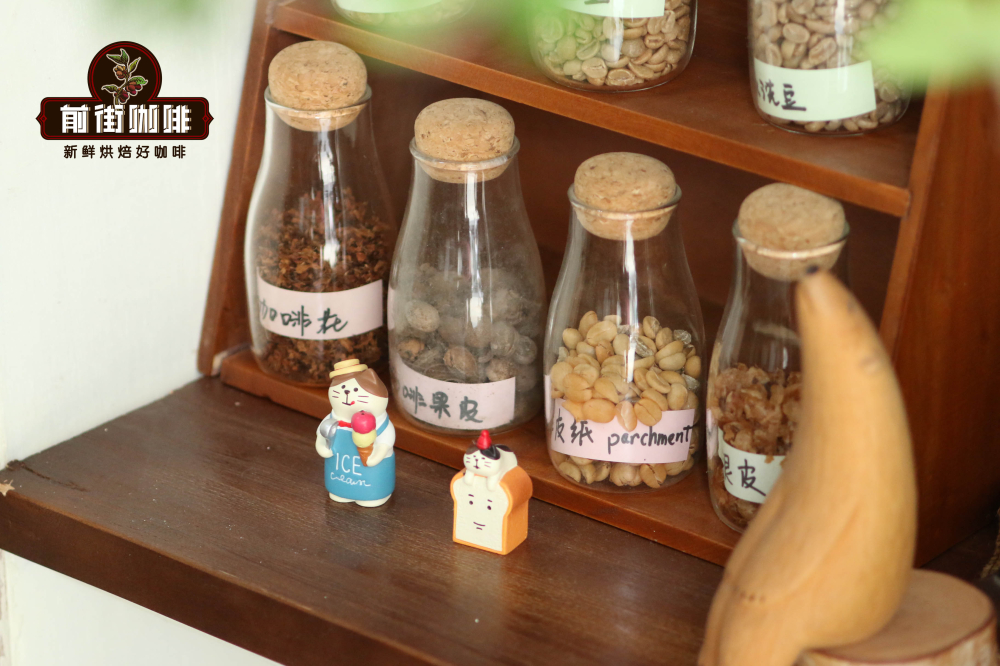
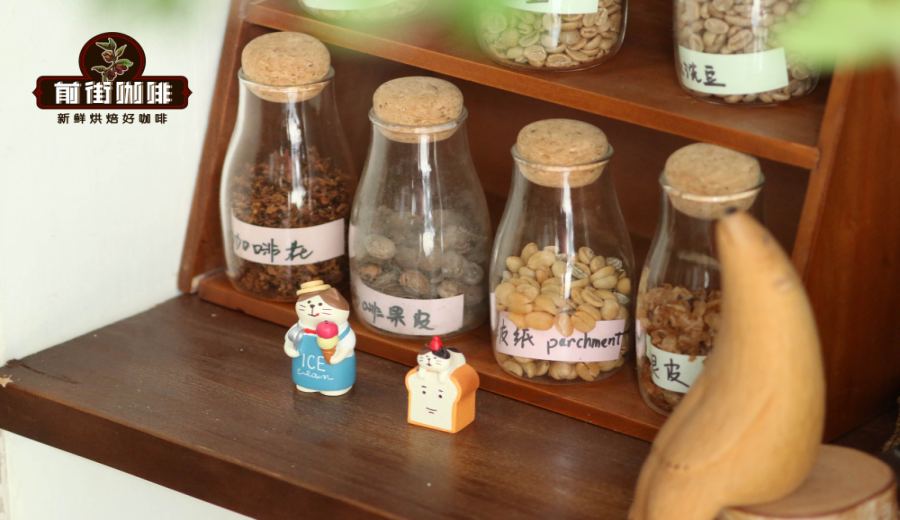
Coffee bean processing involves gradually removing the outer layers of the harvested coffee cherry to leave only the seed (i.e., the coffee bean itself) wrapped in its silverskin, then stabilizing its quality through proper drying. Though the process may seem simple, every step requires meticulous attention. A coffee cherry is structured from the outside in as follows: skin, pulp, mucilage layer, parchment (also called the husk), silverskin, and at the core, the seed. The essence of processing is the sequential removal of these outer layers. The mucilage layer, rich in sugars, can produce off-flavors if fermentation is not properly controlled, severely affecting coffee quality. Conversely, when processed well, the mucilage can contribute more acidity, sweetness, and fermented aromas to the coffee.
Before actual processing begins, selecting ripe red cherries is the first crucial step. Unripe coffee fruits tend to be overly acidic and lack sweetness, often resulting in astringency and unpleasant textures after processing. Ripe fruits, however, have mucilage layers rich in sugars, forming an essential foundation for highlighting the coffee’s sweetness. Furthermore, harvested cherries usually contain defective or low-quality beans, which must be removed via floatation—immersing the cherries in water where healthy ones sink to the bottom, while floating ones are typically underdeveloped or spoiled and should be discarded to prevent compromising the entire batch.
So, what exactly differentiates natural and honey processing? Let’s first understand the natural process. As the most traditional and historically significant method, it is mainly prevalent in regions with limited water resources or abundant sunlight, such as Ethiopia, where roughly 70% of coffee is processed this way. The general workflow includes: manually selecting and removing defective cherries, sun-drying, mechanically or manually removing the skin, and subsequent sorting and storage. Drying usually takes three to four weeks until the moisture content drops to 11%. If anaerobic fermentation (placing coffee cherries in a sealed, low-oxygen environment for initial fermentation) is introduced during the drying phase, the result is the recently popular "anaerobic natural" process.
Naturally processed coffee usually has lower acidity but outstanding sweetness and a pronounced mouthfeel. Its overall cleanliness is slightly lower than that of washed coffee, but it offers a rich flavor profile, often featuring complex notes like berries and wine. Honey processing, on the other hand, falls between washed and natural. Its defining feature is the retention of part of the mucilage layer. Depending on how much mucilage is left, it is further divided into yellow honey, red honey, and black honey grades—the more mucilage retained, the stronger the sweetness and fermentation characteristics. This method is especially common in Central American regions like Costa Rica, as it uses less water and has a shorter drying time, gradually becoming the preferred choice for many small farms.
The honey processing workflow includes: selecting qualified fruits, removing the skin and pulp while retaining the mucilage, drying with mucilage until the moisture level reaches 11%, and finally storing until export for hulling. The drying period typically lasts 18 to 25 days, adjusted based on climate and experience. In places like Costa Rica, honey-processed coffees are also graded according to mucilage retention levels (40%–100%). Yellow honey dries the fastest, usually within a week, and is suitable for high-temperature environments; red honey takes a bit longer, about two to three weeks, often dried under partial shade; black honey requires the longest time, at least two weeks or more, with the whole process done in low temperature and low light, yielding the richest flavors but also at the highest cost.
Raisin honey is the pinnacle of honey processing, retaining 100% of the mucilage and using zero water—a method that demands extremely high standards for drying environment and turning technique. After harvest, defective cherries are first removed via floatation, then the coffee cherries are pre-dried on raised beds for at least three days before the skins are removed to retain the mucilage and continue drying. This process requires precise control of temperature and turning frequency to avoid under- or over-fermentation. Successfully produced raisin honey beans often exhibit intense fermented aromas, tartness reminiscent of white wine, and a sweetness similar to dried fruits.
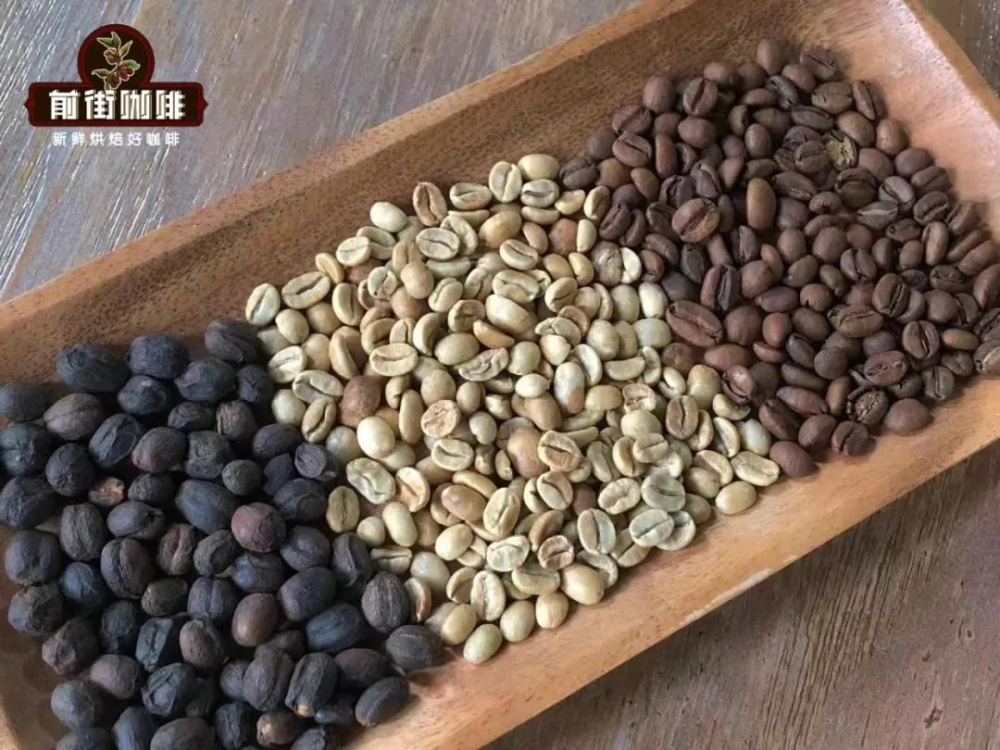
Taking a real-world bean as an example, the Ethiopian Yirgacheffe Natural Red Cherry is grown at an altitude of 2,300 meters in a highland region, using local heirloom varieties and traditional natural processing. It presents clear berry, lemon acidity, and fermented wine-like notes, suitable for medium-to-light roasting to preserve its layered complexity. Recommended pour-over parameters: V60 filter, 90°C water temperature, 15g coffee, 1:15 coffee-to-water ratio, grind size close to 80% passing through a standard Chinese No. 20 sieve, using a three-stage extraction with total brew time controlled between 2’00” and 2’10”. The flavor profile features prominent sweet-and-sour notes upon entry, with a long-lasting lemony finish and a sweet aftertaste.
Another example is the Costa Rica Musician Series Bach from the Tarrazú region, grown at 1,950 meters altitude, classified as SHB, of the Catuaí variety, and processed with raisin honey. This bean is primarily roasted medium-to-light, with flavor descriptions including rice wine fermentation aromas, tropical fruit sweetness and acidity, nutty and buttery tones, and a caramel finish with a hint of floral notes. The pour-over recommendation is also a V60, 90°C water, 15g dose, 1:15 ratio, similar grind size, with grind adjustments based on altitude and bean conditions. Extraction time should be kept between 2’00” and 2’10”, fully showcasing its sweetness and full-bodied mouthfeel.
The above content is compiled by CoffeeHunters, a coffee news website.


