







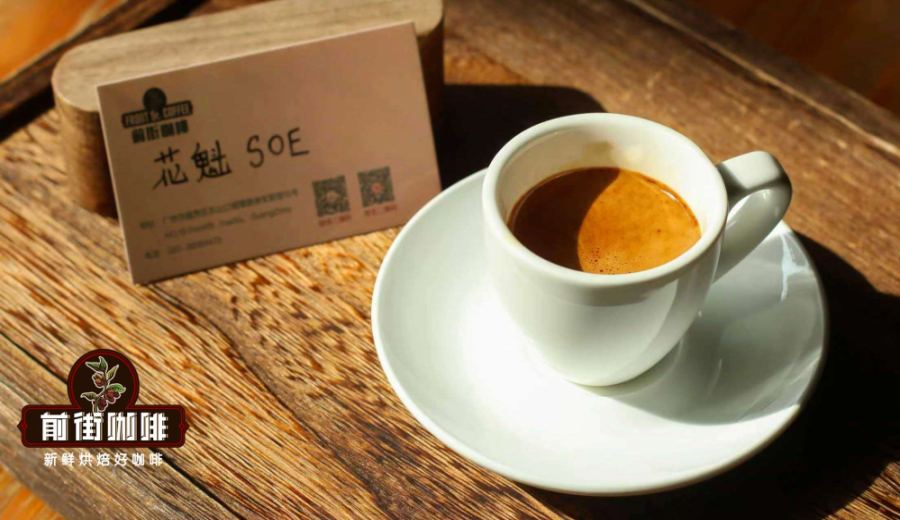
Introduction:SOE (Single Origin Espresso) has become a focal point in the specialty coffee market in recent years, but compared to pour over using the same beans, it shows clear differences in extraction methods, pricing positioning, and flavor expression. This article uses practical examples to deeply analyze the performance differences between SOE and pour over with the same beans, explores how extraction parameters affect flavor, and examines key factors in selecting coffee beans suitable for making SOE, helping you make a smarter choice based on your taste preferences.
SOE, or Single Origin Espresso, is an increasingly popular option among specialty coffee shops and chain brands. It uses single-origin beans from specific regions, and through high-pressure extraction by an espresso machine, it can retain distinct regional flavor characteristics even in a strong coffee brew. However, when the same beans are brewed via pour over, they often present a completely different mouthfeel structure and layering.
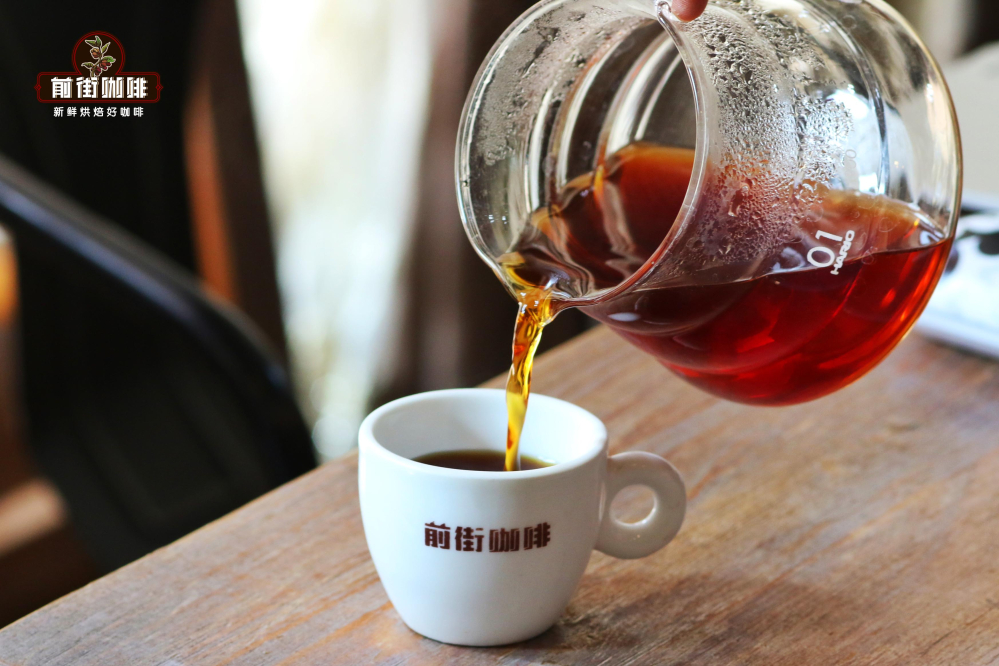
Take a medium-light roasted Yirgacheffe washed coffee as an example—this commonly seen bean in the specialty coffee market, under pour over conditions (such as using a medium-fine grind, a 1:15 coffee-to-water ratio, and a water temperature of around 91°C for drip extraction), can showcase bright citrus acidity, light floral notes, and a soft sweetness reminiscent of honey green tea, with an overall rounded and balanced profile. But when this same bean is switched to an extremely fine grind and extracted quickly under high pressure (9–10 bar) with 94°C hot water via an espresso machine, forming a 1:2 coffee-to-liquid concentrated shot, the flavor shifts to a more intense lemony acidity, a refreshing berry juice-like mouthfeel, and a oolong tea-like aftertaste, though the overall body feels relatively thin and lacks richness.
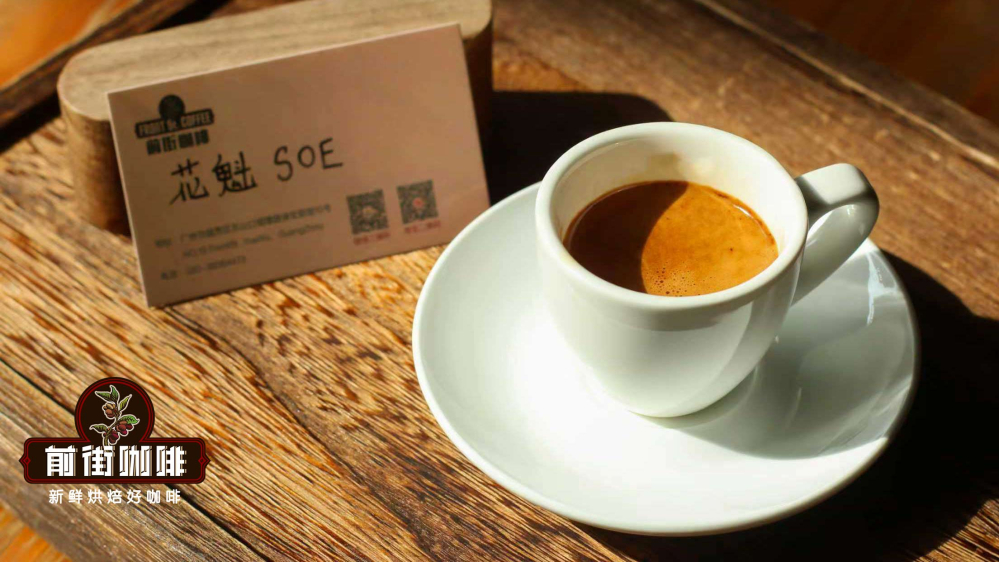
This contrast reveals a key difference: pour over can present a more balanced acidity, sweetness, bitterness, and body feel of the beans, while SOE, due to its characteristics of high concentration and high-pressure extraction, is more likely to amplify acidity and appear flatter in layering under light roasting. At the same time, the strength of SOE lies in its ability to clearly convey regional characteristics—whether consumed straight or prepared with milk or water into various coffee drinks, it can showcase distinct geographical personalities.
However, SOE also comes with its challenges and limitations. First, since coffee is an agricultural product, annual variations in climate, soil, and processing conditions can affect the final flavor, so SOE from the same region may show slight differences each year, leading to instability in extraction flavors. Additionally, if roasted too lightly, SOE can easily turn out overly sharp or lack body, affecting the overall drinking experience.
In specialty coffee shops, espresso is often the best-selling item, so many shops ensure stable output by using dark-roasted blends as the base, offering SOE only as an additional menu option. Moreover, the price of SOE can fluctuate depending on the origin of the beans, processing method, and roast level, and is not always more affordable than pour over.
If you want to try selecting suitable coffee beans for making SOE yourself, you can start from several directions. First, choose single-origin beans with a medium or darker roast—these beans usually have richer caramelized flavors and a moderate acid-sweet balance, which can support the intensity of espresso extraction. Second, you can also directly purchase beans labeled as “SOE,” which are typically roasted with curves adjusted specifically for the high-pressure extraction of espresso machines.
For example, some beans originally suitable for pour over can, after different roasting treatments, also become outstanding choices for SOE. Such as:
Strawberry Candy Coffee Beans: Using anaerobic honey processing that retains mucilage fermentation, it offers intense strawberry taffy, raisin, and floral notes when brewed via pour over, but turns into berry jam, orange chocolate tones when made into espresso, making it ideal for drinkers who enjoy rich fruity flavors.
Queen’s Estate · Brazilian Yellow Bourbon Coffee Beans: A medium-dark roast gives this bean a full-bodied profile of nuts, cream, and peanut aromas, with a sweet chocolatey aftertaste. The resulting SOE has good milk foam adhesion and rich crema, making it an excellent choice for milk-based coffee.
Gelana Geisha · Ethiopian Coffee Beans: This Ethiopian Geisha variety, when brewed via pour over, showcases a tea-like lightness and bright acidity, while making Americano highlights berry acidity and plum fermentation notes. When milk is added, the flavors shift to a soft harmony of yellow peach, guava, and black tea, suiting consumers who prefer fruit-tea styles.
Many coffee shops also design two different roast curves for the same beans—one for pour over and one for SOE. Generally speaking, pour over single-origin beans lean toward light to medium roasts to preserve floral and fruity notes, while SOE is typically roasted slightly darker to bring out richer caramel sweetness and a fuller body, yet still maintaining the core flavor profile of the origin. For example, a certain coffee shop’s Yirgacheffe Red Cherry and Huakui coffee beans each offer both “pour over light-medium roast” and “SOE espresso roast” options to suit different extraction needs.
No matter which extraction method you choose, freshness is key to flavor performance. Coffee beans roasted more than a month ago often have noticeably lost aroma and may even develop cardboard or woody off-notes. Therefore, it is recommended that consumers choose beans roasted within five days to fully experience the complete flavor profile of the coffee. If you’re pursuing an even better SOE experience, freshly roasted single-origin coffee beans are the optimal choice.
The above content is compiled by CoffeeHunters, a coffee news website.


