








Introduction:Afraid that coffee is too bitter but still want to explore more flavors? This article breaks down which beverages on the Starbucks menu are less bitter and provides an in-depth analysis of the key factors that influence coffee bitterness, including roast level, processing method, and brewing technique. It also features three specialty coffee beans—Kenya Little Tomato, PWN Golden Mandheling, and Green Label Geisha—offering detailed pour over parameters and flavor descriptions to help you avoid overly bitter pitfalls whether you're ordering at a café or brewing at home, ensuring a bright and refreshing coffee experience.
Many people feel overwhelmed when they walk into a Starbucks, especially those who are sensitive to bitterness—the top concern being, “Which coffees are less bitter?” In fact, by following a few simple principles, you can easily avoid overly bitter drinks. Generally speaking, the higher the syrup ratio, the sweeter the drink; and the more milk added, the more the coffee’s inherent flavors and bitterness are muted. For example, Frappuccinos, which use a lot of syrups and foam, usually have less noticeable bitterness, while mochas or caramel macchiatos, with added chocolate or caramel sauce, can effectively neutralize the astringency of the coffee itself.
However, if you truly want to understand the flavor structure of coffee, simply adding sugar and milk is far from enough. Coffee bitterness is mainly influenced by three factors: roast level, coffee bean variety, and processing method. Roast level, in particular, is the key determinant of the balance between bitterness and sweetness in a cup of coffee. Darker roasts, due to more intense Maillard and caramelization reactions, tend to produce more high-molecular-weight bitter compounds, whereas lighter roasts preserve more acidity and fruity-floral notes, resulting in relatively milder bitterness.

Take pour over as an example—many people are put off by the noticeable bitterness the first time they try it, but this is closely related to brewing parameters. Aside from bean variety and origin, factors such as water temperature, grind size, extraction time, and technique all affect the final flavor profile. Among these, roast level is an especially critical element. Darker roasts, due to higher carbonization, tend to release more bitter and astringent substances, while lighter roasts can showcase livelier acidity and more complex layers.
This coffee shop’s bean menu features several varieties with distinct flavor profiles. Among them, Kenya Little Tomato, PWN Golden Mandheling, and Emerald Estate Green Label Geisha represent three major types—bright and tangy, rich and balanced, and fruity and vibrant—making them perfect for understanding how different processing methods and roast levels affect coffee bitterness.

First up is the Kenya Little Tomato coffee bean, grown in the Thika region of Kenya and processed by the Asali Honey Processing Factory using the K72 washed process. The beans are cultivated at altitudes between 1550 and 1750 meters, with the SL28 and SL34 varieties. Thanks to the light roast and unique washed fermentation process, this bean exhibits exceptionally vibrant acidity and a juicy mouthfeel. It is recommended to use a V60 dripper, with a water temperature of 93°C, a brew ratio of 1:15, and a grind size of about EK43s#10 (approximately 80% passing through a Chinese No. 20 sieve). During brewing, bloom with 30 grams of water for 30 seconds, then pour in a small circular motion up to 125 grams for the first pour, followed by pouring up to 225 grams to finish, keeping the total extraction time around 2 minutes. In terms of flavor, this bean has a pronounced cherry tomato and dark plum acidity, with prominent sweetness in the mid-palate, and a berry and green tea aroma in the aftertaste. The overall taste is clean and layered.
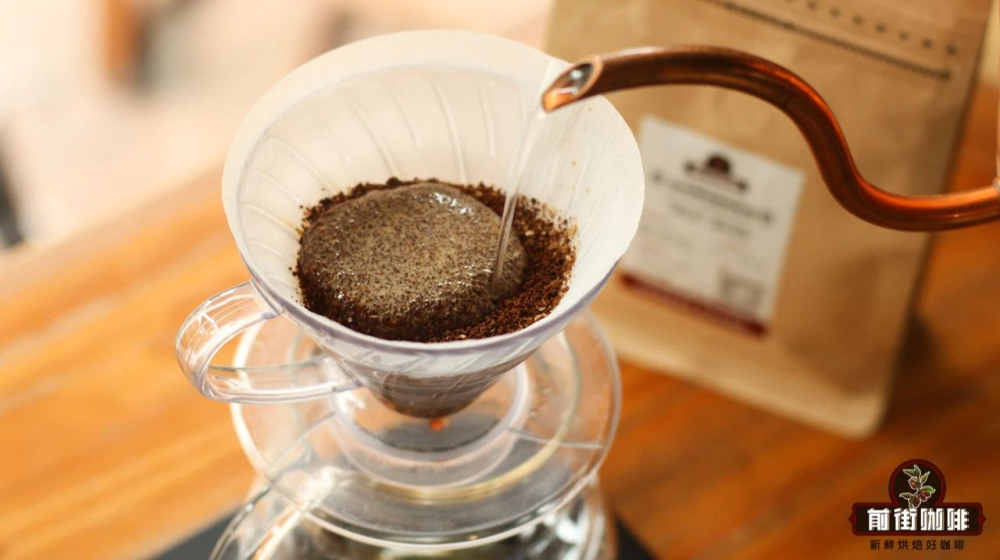
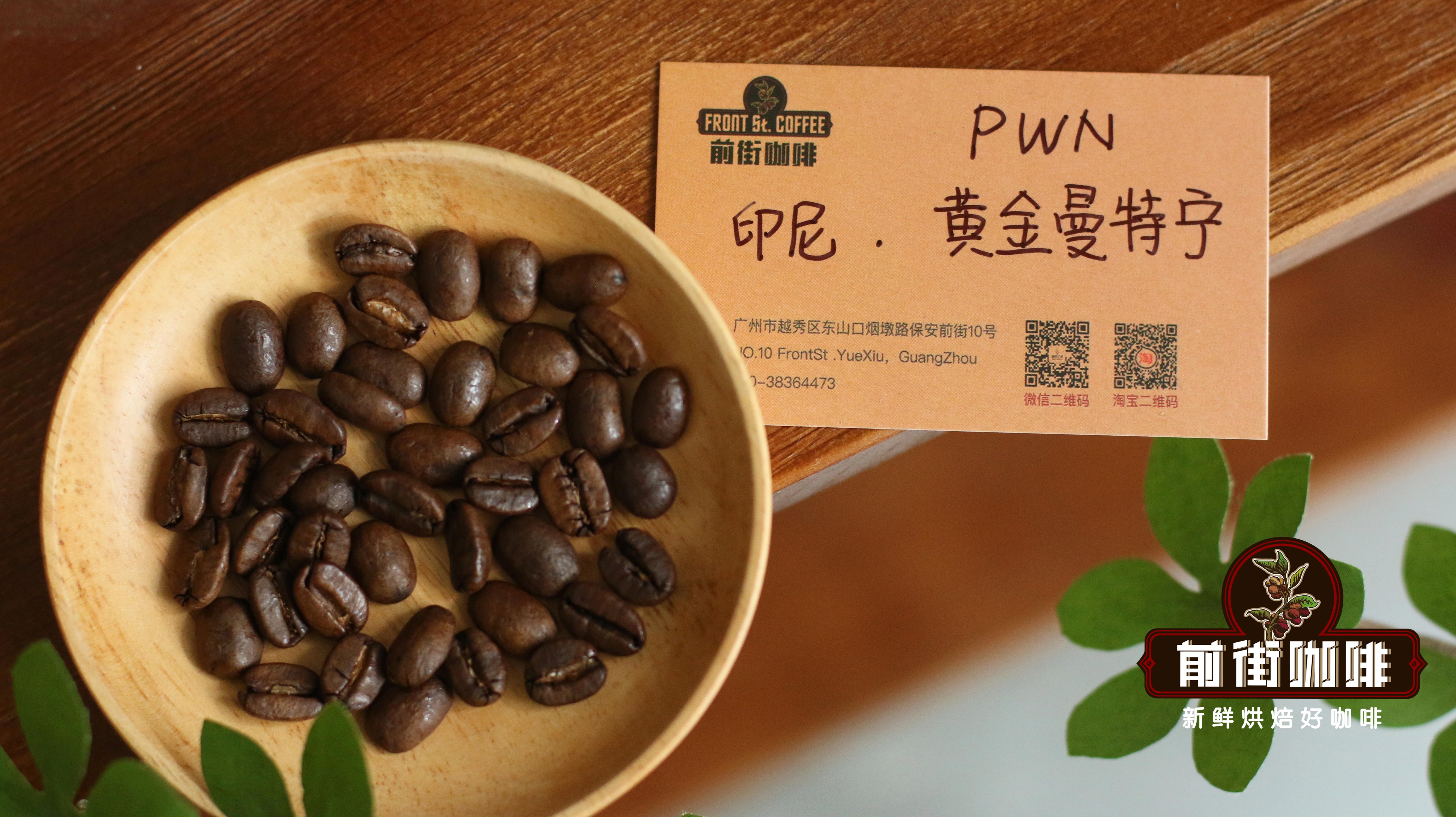
Another option is the PWN Golden Mandheling from the Gayo Mountains of Aceh, Sumatra, Indonesia, processed using the region’s unique wet-hulled method. The bean variety is Ateng, grown at elevations between 1100 and 1600 meters. The wet-hulled process, which involves removing part of the mucilage layer midway and drying the beans in a semi-dried state after hulling, results in a coffee with strong nutty, chocolatey, and caramel aromas, and relatively deep yet rounded bitterness. It is recommended to use a Kono dripper, with a water temperature of 86°C, a brew ratio of 1:15, and a grind size of EK43s#11 (approximately 70–75% sieve passing rate). The same segmented pouring method is used: bloom with 30 grams of water, then pour up to 125 grams for the first pour, followed by pouring up to 225 grams to finish, with a total brewing time of about 2 minutes. This coffee has a rich and balanced flavor with clear layers, featuring a strong nutty profile and a long-lasting chocolatey aftertaste, making it ideal for those who prefer a low-acidity, full-bodied taste.
Finally, we introduce the Panama Emerald Estate Green Label Geisha, grown in the Boquete region at altitudes between 1600 and 1800 meters. It is a high-altitude micro-lot blend processed using the washed method. The Geisha variety is known for its slender fruit and leaves, and when grown at high altitudes, it typically delivers an exceptionally high level of sweetness and a complex aromatic profile, ranging from citrus and berries to papaya, peach, and bergamot notes in the aftertaste, with ever-changing layers. It is recommended to use a V60 #01 dripper, with a water temperature of 91°C, a brew ratio of 1:16, and a grind size of EK43s#10.2, using a three-stage pouring method: bloom with 30 grams of water for 30 seconds, then pour up to 125 grams and continue to 240 grams to finish, with a total brewing time of about 2 minutes to 2 minutes and 5 seconds. This bean offers a fresh and bright flavor, with soft acidity, jasmine and ginger blossom notes, and a juice-like mouthfeel. The aftertaste is long-lasting and dynamic, making it highly suitable for those who enjoy fruity and floral profiles.
In summary, if you want to choose a less bitter drink at Starbucks, prioritize options with plenty of milk and syrup, such as lattes, caramel macchiatos, or Frappuccinos. If you prefer pour over, start with lighter roasted beans and carefully control water temperature, grind size, and brewing time to enjoy a low-bitterness, high-aroma coffee experience. Whether it’s the bright and tangy Kenya Little Tomato, the rich and balanced Golden Mandheling, or the fruity and vibrant Green Label Geisha, each can help you rediscover the diverse world of coffee flavors.
The above content is compiled by CoffeeHunters, a coffee news website.


