







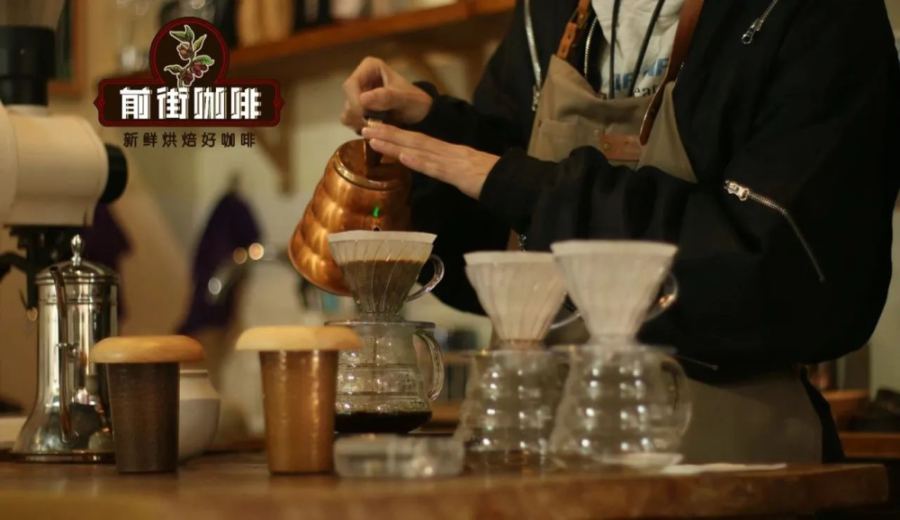
Introduction:The flavor of pour over coffee largely depends on the grind-to-water ratio. This article delves into the common range of 1:12 to 1:15, using 15 grams of coffee grounds as an example to explain why 1:15 has become the preferred ratio for many cafes and coffee enthusiasts. It also compares the differences in extraction ratios between espresso and pour over, providing a full set of parameters and a three-stage pouring technique from an actual pour over case to help you better grasp the extraction logic of pour over coffee.
The flavor expression of pour over coffee is influenced by many factors, including the amount of coffee grounds, grind size, grind-to-water ratio, and pouring method. Among these, the grind-to-water ratio is the key to determining coffee strength and taste balance. So, when using 15 grams of coffee grounds, how much water should be poured to make a pour over coffee with balanced flavors?
Based on 15 grams of coffee grounds, the commonly used grind-to-water ratio in the industry falls between 1:12 and 1:15. This ratio range can extract coffee liquid with a concentration of about 1.2% to 1.45%, which is within the ideal taste range acceptable to most people. Calculated at a 1:15 ratio, it is recommended to pour 225 grams (or milliliters) of water for 15 grams of coffee grounds, which is also the parameter setting commonly adopted by many coffee shops.
Why has 1:15 become the mainstream choice? Practical tests have found that when the grind-to-water ratio is increased to 1:20, the coffee often tastes too light and lacks layers; whereas if it is reduced to 1:10, it is prone to over-extraction, resulting in overly intense flavors or even noticeable bitterness. Therefore, the 1:15 setting demonstrates good compatibility with most coffee beans and is suitable for brewers seeking stable performance. Of course, users who prefer stronger or lighter tastes can adjust to 1:14 or 1:17 according to personal preference, but it is important to understand how these ratios affect the flavor.
After determining the grind-to-water ratio, another important consideration is the total extraction volume. Taking 15 grams of coffee grounds with 225 grams of water as an example, the final yield of coffee liquid is about 225 milliliters, which usually meets the needs of a single serving and is also a familiar brewing volume for many pour over enthusiasts.
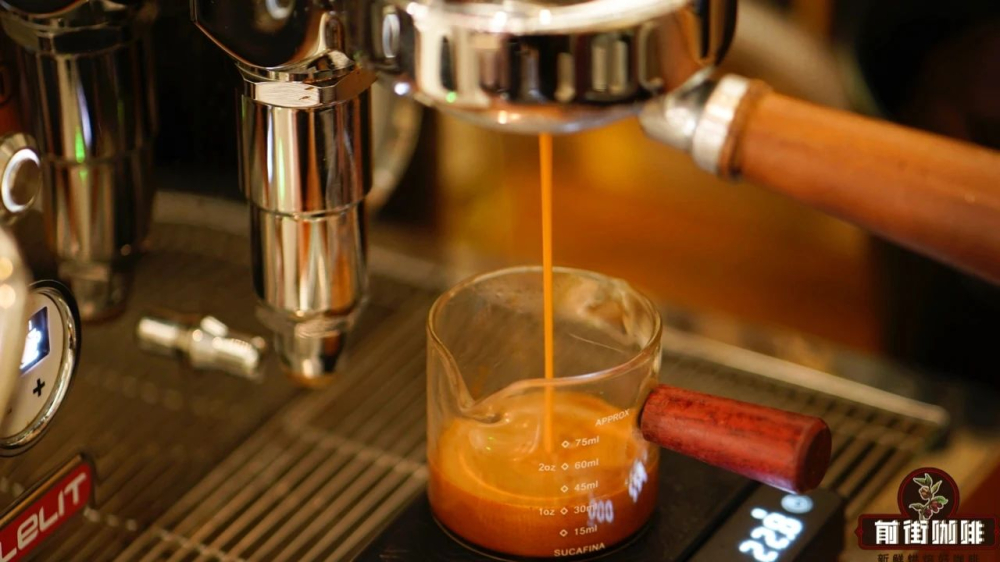
Compared to pour over coffee, the grind-to-water ratio of espresso differs significantly. Generally, the extraction ratio for espresso often falls between 1:2 and 1:3, depending on extraction time and the type of espresso. For example, a regular espresso typically extracts 20 to 40 milliliters of espresso liquid from 10 grams of coffee grounds, with a ratio of about 1:2 to 1:4. Meanwhile, ristretto-style espresso may have more extreme ratios, reaching 1:1 or 1:1.5, emphasizing intense and strong flavor bursts. This is quite different from the smooth extraction and layered flavor expression pursued by pour over coffee.
Here are some commonly used espresso grind-to-water ratio references in the industry: ristretto is about 1:1 to 1:1.5; regular espresso is mostly 1:1.5 to 1:2.5; extended extraction espresso falls between 1:2.5 and 1:3. These ratios are fine-tuned based on coffee machine performance, grind size, and the barista’s personal style, with no absolutely unified standard.
After understanding the basic ratios, let’s further illustrate with an actual pour over case. Take the Ethiopian Yirgacheffe washed-process "GuDingDing" coffee beans as an example. These beans are grown at high altitudes of 1900 to 2300 meters, belong to local native varieties, and are processed using the washed method. Their flavor profile often includes tropical fruits, cream, honey, berries, and citrus layers.
The recommended brewing parameters for this coffee bean are as follows: use a V60 #01 filter, control the water temperature between 90 to 91°C, use 15 grams of coffee grounds, set the grind-to-water ratio at 1:15, and grind to a medium-fine level, with about 80% passing rate through a #20 sieve. The brewing technique uses a three-stage pour, with the specific process as follows:
The first stage involves pouring 30 grams of water for a 30-second bloom to allow the coffee grounds to degas, helping ensure even extraction later. Then pour about 95 grams of water (total weight on the scale is about 125 grams), keeping the time around 1 minute. When the water level drops to about two-thirds of the coffee bed, proceed to the third pour, adding the remaining 100 grams of water (total weight about 225 grams). The overall extraction time is about 1 minute and 35 seconds, with the dripping completion time around 2 to 2 minutes and 10 seconds, after which the filter is removed to finish extraction.
Image location: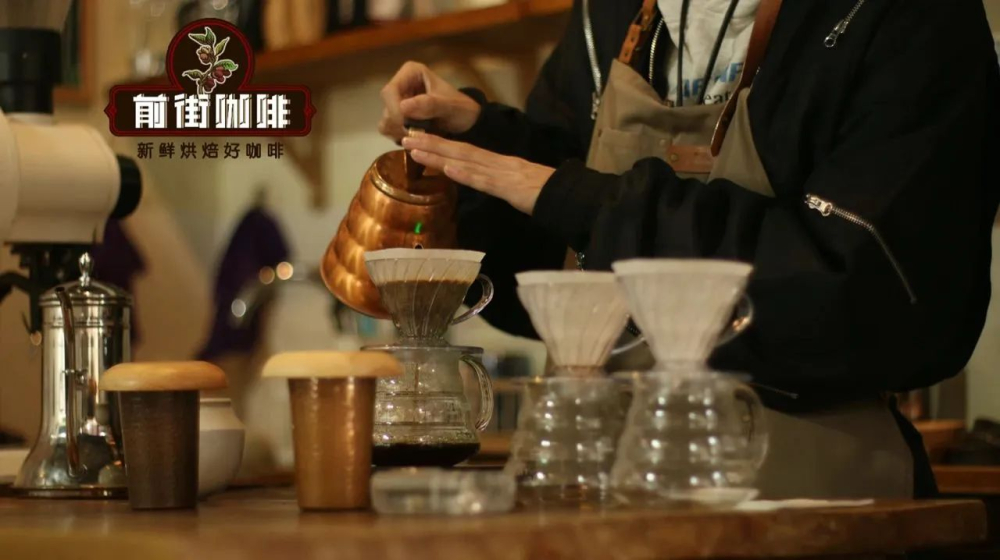
This Yirgacheffe GuDingDing coffee ultimately presents citrus and black tea notes in the forefront, while creamy, caramel, and almond undertones gradually emerge as the temperature drops. The overall mouthfeel is clean and refreshing, with a pronounced aftertaste, showcasing the delicate flavor layers of pour over coffee.
Speaking of the three-stage pour, it is currently a preferred method for many cafes and beginners, especially suitable for light to medium roasted coffee beans. This method can clearly distinguish the front, middle, and back flavors of the coffee, helping to fully express the bean’s potential.
The first step of the three-stage pour is the bloom, a step that seems simple but is actually crucial. During the roasting process, coffee beans accumulate a large amount of carbon dioxide, especially freshly roasted beans. Blooming helps release these gases, allowing subsequent water to penetrate the coffee bed more evenly, avoiding localized over-extraction or under-extraction.
When blooming, it is recommended to gently flatten the surface of the coffee grounds. Keep the pouring water flow gentle, with a suggested water amount of about twice the coffee grounds weight (e.g., use about 30 grams of water for 15 grams of grounds). Too little blooming water may result in insufficient degassing, while too much can cause premature extraction or unwanted flavor release. The blooming time is generally controlled around 30 seconds, and when the surface of the coffee grounds shows signs of shrinkage, it indicates the bloom is complete and you can proceed to subsequent pouring.
Image location: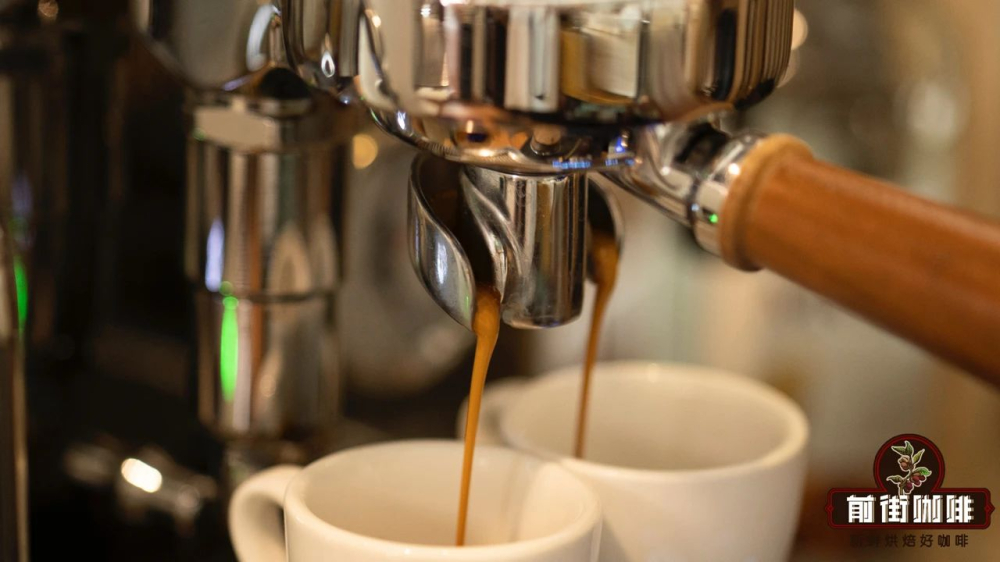
The second pour is recommended to start from the center of the filter, pouring in small streams in a circular motion. The circle should not be too wide, focusing on penetrating the bottom of the coffee bed and avoiding direct impact on the edge of the filter paper. Be mindful not to let the water level exceed the height of the coffee bed, and stop pouring when the stream approaches the edge of the filter.
The third pour is done when the water level drops to the middle of the filter. Again, start from the center, pouring in circles while observing changes in the coffee bed. At this stage, you can moderately increase the pour volume and water agitation to encourage the bottom coffee particles to move, releasing more soluble flavor compounds. However, pay attention to the rhythm to avoid too many pauses that could lead to uneven tail-end extraction or unwanted astringency.
Through such three-stage pouring and control, you can more precisely manage the release of each flavor stage, brewing a pour over coffee with clear layers and balanced mouthfeel.
In summary, there is no absolute standard for setting the grind-to-water ratio in pour over coffee, but 1:15 is a widely applicable and beginner-friendly reference value. Whether you are just starting with pour over or already have some experience, understanding the interrelationship between grind-to-water ratio and extraction parameters can help you more stably brew coffee that suits your taste.
The above content is compiled by CoffeeHunters, a coffee news website.


