







Introduction:Want to understand the real differences between a long espresso shot (Lungo) and a short shot (Ristretto)? This article provides an in-depth analysis of the definitions, key techniques, flow rate control, and flavor profiles of these two extraction methods, while also addressing common issues such as under-extraction and over-extraction. Whether you're a beginner just stepping into the world of coffee or an enthusiast aiming to refine your skills, you’ll gain practical insights into extraction parameters and flavor recognition.
In many coffee shops, drinks like Americanos, lattes, and cappuccinos abound—but do you truly understand the essence of espresso? Many assume that simply using more water will yield an espresso, but that’s a common misconception. This article will take you deeper into the definition of espresso and offer a detailed comparison of long and short shots in terms of procedure, extraction parameters, and flavor characteristics to help you better grasp the logic behind espresso brewing.
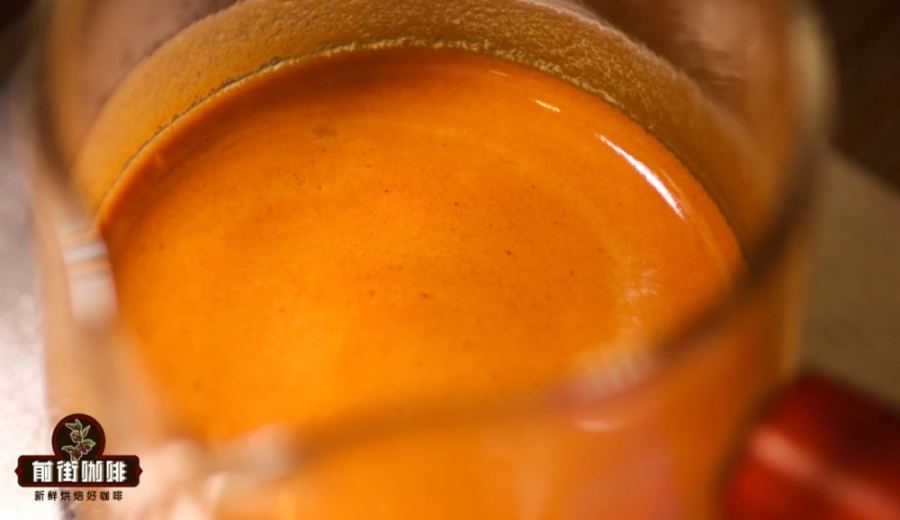
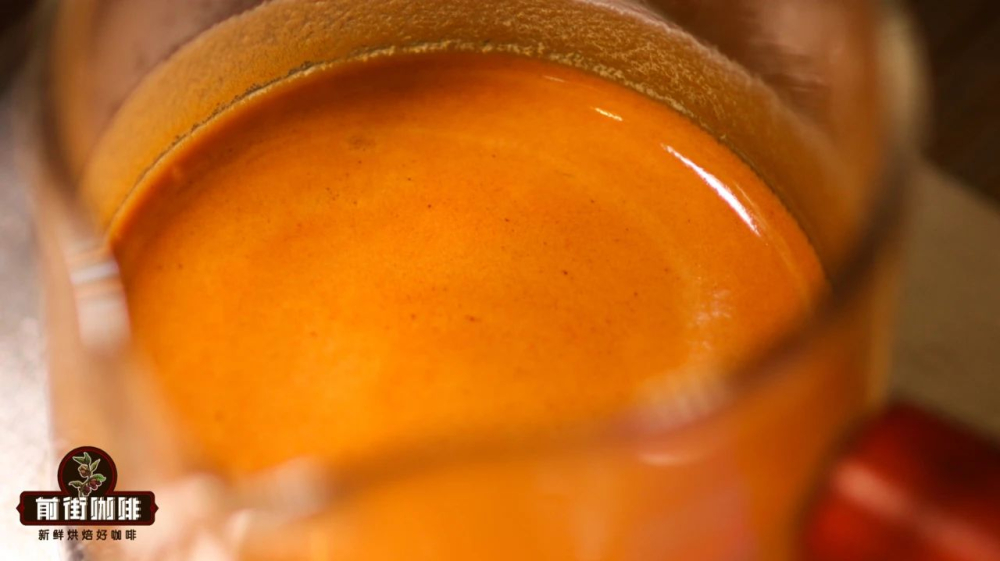
The definition of espresso varies between broad and narrow interpretations within the industry. Generally speaking, it refers to coffee made with extremely finely ground beans, extracted under high pressure with water at around 90–95°C. The typical coffee-to-water ratio is kept at about 1:2, and the final shot should have a layer of fine crema (coffee foam) on top. This extraction method emphasizes intense, concentrated, and layered flavors.
A Ristretto, derived from the Italian word meaning “restricted” or “limited,” is made using the same amount of coffee grounds as a standard shot, but with much less water—usually about half—resulting in a higher concentration and more intense flavors. To achieve optimal extraction, the grind size for Ristretto is often finer than for regular espresso, allowing for longer contact time between water and coffee to extract more essential compounds, yet the total extraction time remains within 15 to 20 seconds.
In contrast, a Lungo, also known as a long shot, uses the same amount of coffee grounds but significantly increases the water volume—typically 2 to 3 times that of a standard shot—leading to a larger drink with a comparatively diluted strength.In terms of flavor, Lungos tend to result in a lighter, more watery taste.However, by using lightly roasted beans and appropriately adjusting grind size and flow rate, a Lungo can still showcase richer layers and better balance.
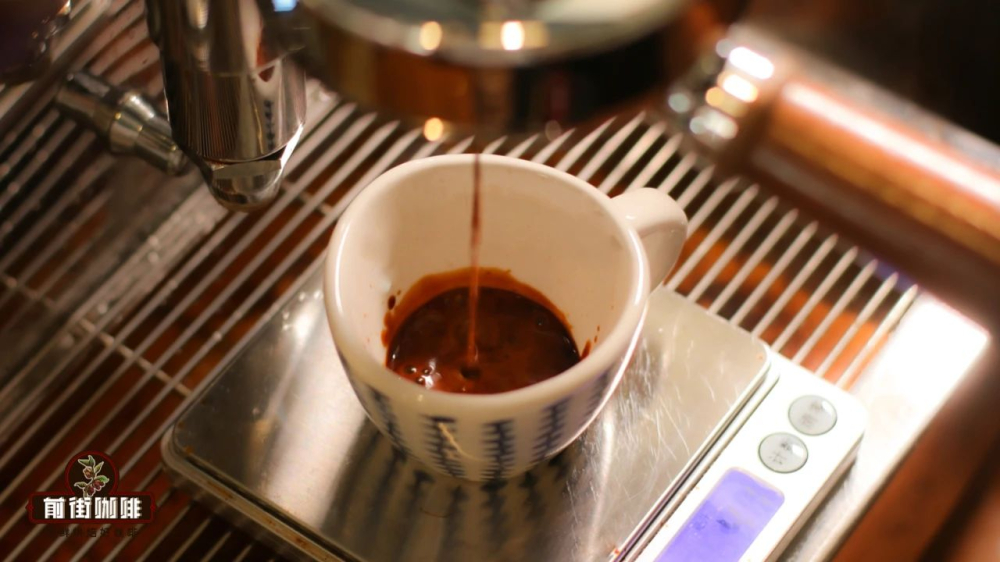
For beginners, mastering flow rate is a key factor in flavor adjustment. It's generally recommended to keep the extraction time between 20 to 30 seconds, as this range often yields a more balanced result. As you gain more experience, you can further observe the stream pattern to determine stability—many professional baristas describe the ideal flow as resembling a “mouse tail” (a thin yet steady stream). Be especially wary if the flow becomes inconsistent or shows obvious “channeling” (where water punches through the coffee puck), as this indicates imbalanced extraction conditions, and the shot should be re-adjusted.
Flow rate directly impacts the final flavor. If it’s too fast, water passes through the coffee bed too quickly, failing to extract many essential compounds, resulting in a dull, one-dimensional cup lacking depth. Conversely, if the flow is too slow, excessive soluble materials—including undesirable impurities—are released into the liquid, leading to pronounced bitterness, astringency, or even a smoky aftertaste.
In the specialty coffee scene, the Lungo method has long been less favored. The traditional approach, while using the same amount of coffee, results in a diluted taste due to the increased water volume, often lacking the body and richness expected from espresso and amplifying unwanted bitterness or off-flavors, making the overall profile monotonous or unpleasant. However, some baristas have recently started experimenting with Lungo extractions using light-roast beans. By employing slightly coarser grinds and moderate flow rates, they’ve successfully produced more balanced and layered flavors—especially appealing to those seeking complexity and a cleaner mouthfeel.
If you've struggled with balancing the acidity in your espresso shots, consider trying the Lungo method with a slightly coarser grind and maintaining a relatively fast flow rate to avoid over-extraction and bitterness. This approach can sometimes deliver surprising balance and fruity acidity, particularly suitable for certain high-acid coffee varieties.
When discussing espresso extraction standards, it’s important first to understand that extraction is essentially the process of dissolving flavor compounds from coffee using water. These compounds are released progressively over time and with temperature—starting with fruit acids and bright notes, followed by sweetness, and finally bitterness and impurities. Therefore, extraction time, water temperature, and coffee-to-water ratio all directly influence the final flavor outcome.
The generally recommended espresso extraction time is around 25 to 30 seconds, with a water temperature range of 90–95°C. The extraction yield (the proportion of soluble material extracted from the coffee grounds) can be controlled between 18% and 22%, a range that typically achieves optimal flavor balance. Of course, these parameters can be fine-tuned based on personal taste preferences.
“Under-extraction” occurs when the coffee grounds and water have insufficient contact time, leaving many beneficial flavor compounds unextracted. The resulting cup tends to taste sharp and acidic, lacking sweetness and body, sometimes with a salty note, and feels thin with a short aftertaste. Common causes include low water temperature, overly coarse grind, or a high coffee-to-water ratio. On the other hand, “over-extraction” happens when contact time is too long, causing excessive undesirable substances to dissolve into the water, resulting in prominent bitterness, dryness, a hollow mouthfeel, and an overall loss of flavor layers and vibrancy.
In summary, whether you’re brewing a Lungo or a Ristretto, the core lies in precisely controlling extraction parameters—including grind size, coffee-to-water ratio, water temperature, and time. Through continuous experimentation and adjustments, you’ll gain a clearer understanding of each coffee bean’s unique characteristics, enabling you to brew espressos with richer flavors and more distinct layers.
The above content is compiled by CoffeeHunters, a coffee news website.


