







Introduction:Both honey process and pulped natural are coffee processing methods that involve drying the beans directly in the sun after removing the fruit skin. However, the key difference—whether the mucilage is retained or not—leads to vastly different flavor profiles. This article delves into the operational procedures, grading logic, and typical flavor characteristics of the two methods, and provides practical pour over parameters to help you choose the right processing method based on your taste preferences while mastering more precise extraction techniques.
Both pulped natural and honey process are coffee processing methods that involve direct sun drying after removing the fruit skin. But due to one key difference—the retention of mucilage—they ultimately present distinct flavor directions. Pulped natural originates from Brazil, skips the water fermentation step, and is suitable for large-scale commercial production; honey process was improved upon by Costa Rican farmers based on pulsed natural, and is further subdivided into yellow honey, red honey, and black honey according to the amount of mucilage retained. This article will break down the craft details, flavor features, and grading standards of these two processing methods in detail, along with practical pour over parameter suggestions, to help coffee enthusiasts distinguish differences and find beans that match their taste.
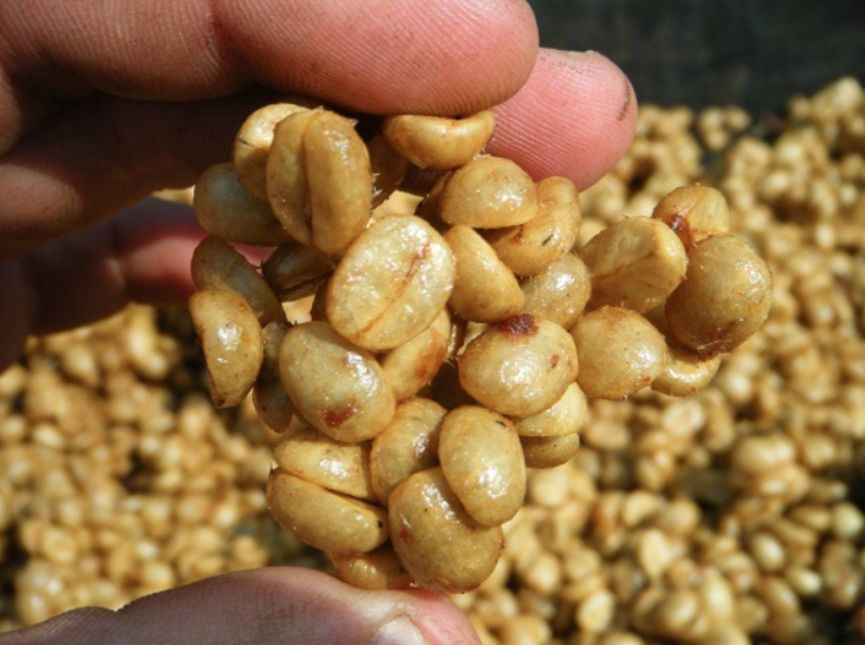
The pulped natural processing method (semi-dry processing) falls between natural and washed processing, and can also be divided into two main types: skin-dried natural and honey process. The operations of both are similar—first, like washed processing, the outer skin of the coffee cherry is removed, but without undergoing water fermentation or rinsing with clean water. Instead, it is dried directly with the mucilage layer intact. Although the steps seem similar, the crucial difference of whether the mucilage is completely removed leads to very different final flavors, making them worthy of separate discussion.
The processing flow of pulped natural is as follows: first, the coffee fruit is poured into a large water tank, where unripe floating cherries are skimmed off, and the ripe ones that sink to the bottom are sent to a depulper to remove the outer skin and flesh, leaving only the mucilage layer. Then, this yellow, viscous mucilage layer is dried directly in the sun until the bean moisture content drops to 10.5%-12%. After that, the beans are hulled, and finally polished before export. This method uses far less water than traditional washed processing, with some steps resembling washed (removing skin and flesh) and others similar to natural (no water fermentation), which is why it's also called semi-washed processing.
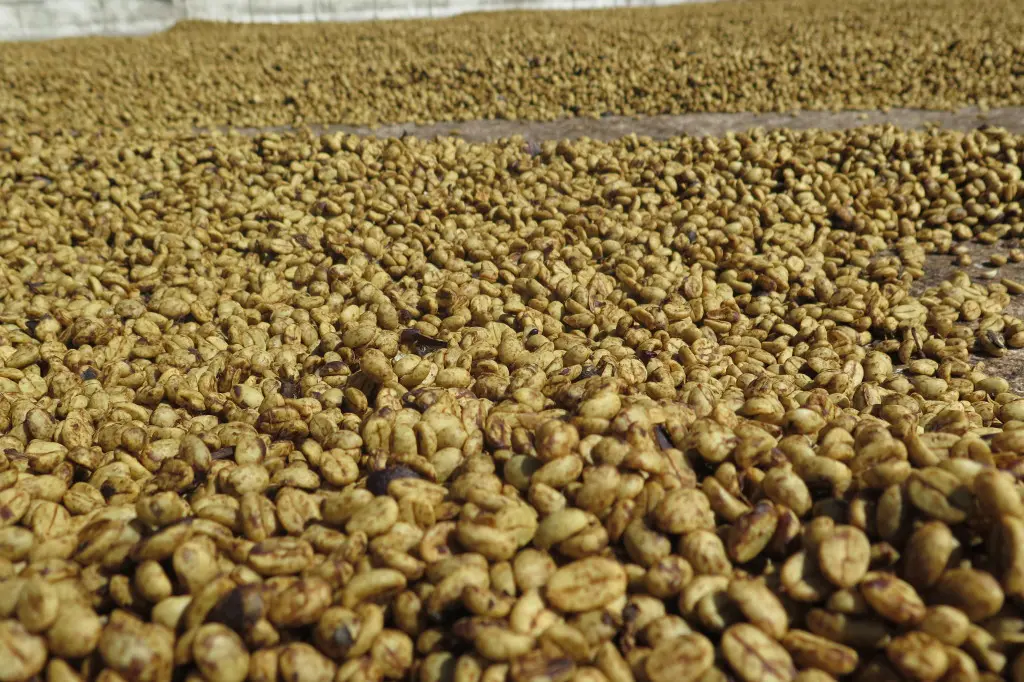
The characteristic of pulped natural processing is that it’s suitable for large-scale commercial operation, with relatively simple steps, water-saving, and environmentally friendly. During the removal of skin and flesh, ripe flesh is more likely to fall off, while unripe skins are harder to clean, so this can help screen out unripe fruits and improve the consistency of ripeness among coffee cherries. Compared to the natural process, the selected coffee cherries are cleaner and have more uniform ripeness, leading to a more balanced cup profile. In addition, this method has a shorter drying time, helping to save costs and improve the stability of bean quality. This processing method originated in Brazil, where the country’s commercial-grade beans are processed using this technique.
Brazilian Red Bourbon coffee beans typically exhibit flavor notes of nuts, chocolate, cream, peanuts, and caramel. To highlight their rich body, a medium to dark roast is recommended. When brewing medium to dark roasted beans, it’s advised to control the water temperature at 88–89°C—too high may extract unpleasant woody off-flavors, while too low may fail to fully release sweetness.
For medium to dark roasted pulped natural coffee beans, it is recommended to use a Kono filter. The Kono filter has an immersion function that can effectively extend the contact time between water and coffee grounds, enhancing the body. Its filter rib design is concentrated at the bottom, allowing the filter paper to adhere tightly to the cup wall, restricting airflow, thereby slowing down the water flow rate and increasing extraction efficiency.
Recommended brewing parameters are as follows: water temperature 88°C, coffee dose 15 grams, brew ratio 1:15, grind size medium-coarse (70–75% through a #20 standard sieve). The specific method is: first pour 30 grams of water for a 30-second bloom, then pour 95 grams of water (total around 125 grams), taking about 1 minute; when the water level drops to 2/3 of the coffee bed, pour the remaining 100 grams of water (total around 225 grams), taking about 1 minute and 40 seconds to finish pouring. The total dripping time is about 2 to 2 minutes and 10 seconds to complete extraction.
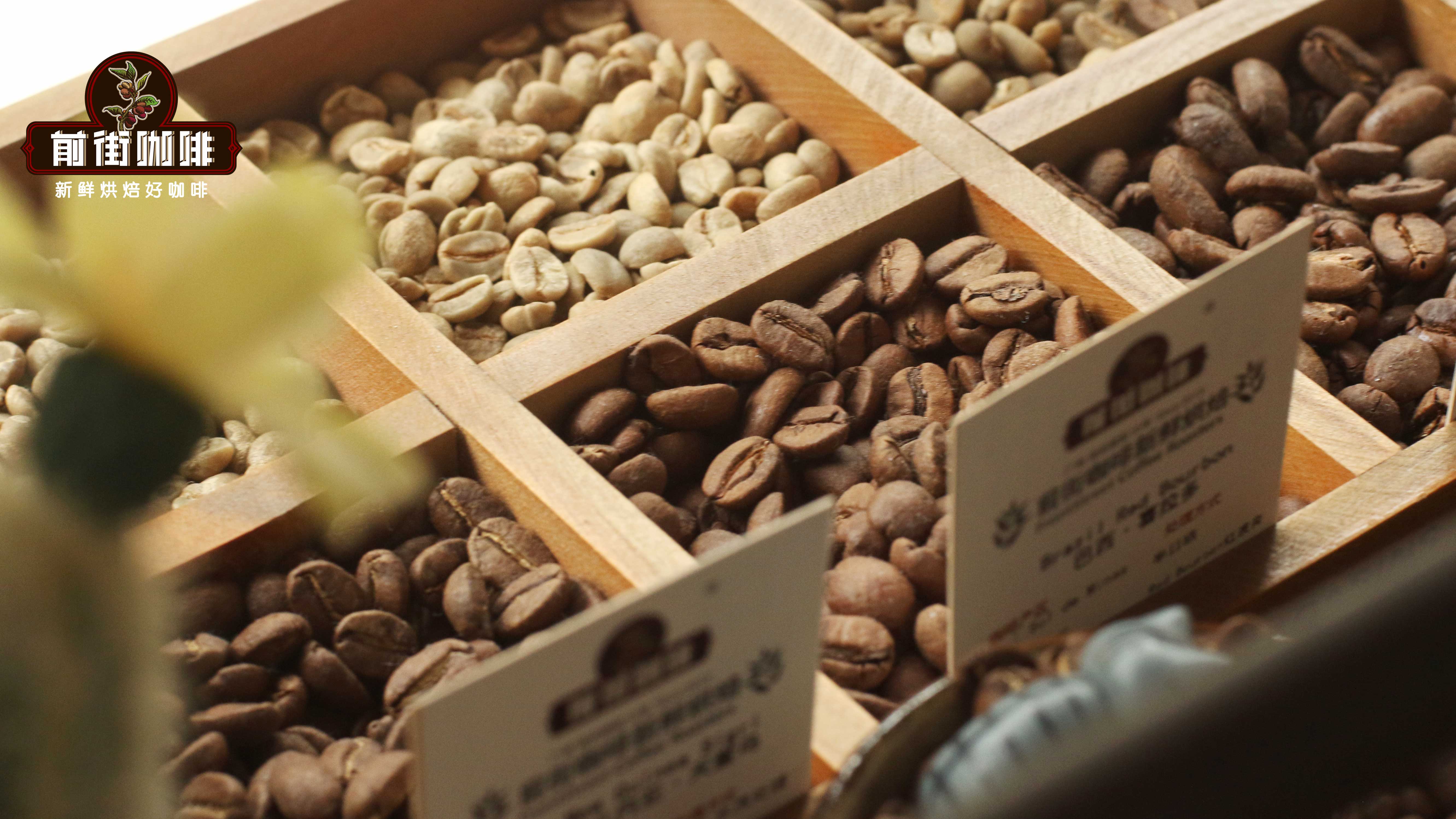
Honey process originated in Costa Rica and has since been widely adopted in countries such as El Salvador. It is essentially an improved version of the Brazilian pulped natural method. Costa Rican farmers, aiming to enhance coffee bean quality, experimented with improving processing methods, leading to the emergence of honey process. For farmers, improving processing methods is the most direct and cost-effective way to elevate coffee quality, hence the popularity of this technique.
The specific process of honey processing is as follows: first, high-quality coffee cherries are selected, then a depulper is used to remove the outer skin and flesh, leaving behind the mucilage layer rich in sugars. This mucilage layer is key to flavor development during processing, providing about 80% of the nutrients. Depending on how much mucilage is retained, it is categorized into yellow honey (around 60% mucilage retained), red honey (around 75% mucilage retained), and black honey (almost no mucilage removed). The more mucilage retained, the richer the final flavor and the more pronounced the sweetness. The drying process requires reducing the moisture content to around 11%, taking approximately 18 to 25 days depending on local climate and experience. After drying, the beans are stored until just before export before being hulled.
The flavor characteristics of honey processed coffee are well-balanced acidity and sweetness, prominent aroma, and a strong body, similar to the natural process, but usually with richer sweetness and layers. Honey processed beans are graded based on drying time and mucilage retention into three levels: yellow honey, red honey, and black honey. Yellow honey has the shortest drying time (about 1 week), with the most sunlight exposure, usually placed in direct sunlight; red honey takes about 2–3 weeks to dry, often placed in shaded areas or with reduced light; black honey has the longest drying time (at least 2 weeks), kept in the dark throughout with minimal light exposure. These three grades not only affect drying efficiency but also directly relate to the final flavor expression.
The differences between yellow honey, red honey, and black honey mainly come from variations in drying time and mucilage retention. Yellow honey retains about 25% of the inner parchment, red honey about 50%, and black honey retains nearly 100%. Therefore, from yellow to black honey, drying time increases and management difficulty rises accordingly. Black honey is generally considered to have the richest and most intense flavors, but due to the long drying time and high labor and resource input, it is also relatively more expensive. Yellow and red honey offer more affordable options while still balancing flavor performance and production costs.
Typical flavors of honey processed coffee include layered fruity and tea-like notes such as cherries, oranges, yellow peaches, floral scents, and oolong tea.
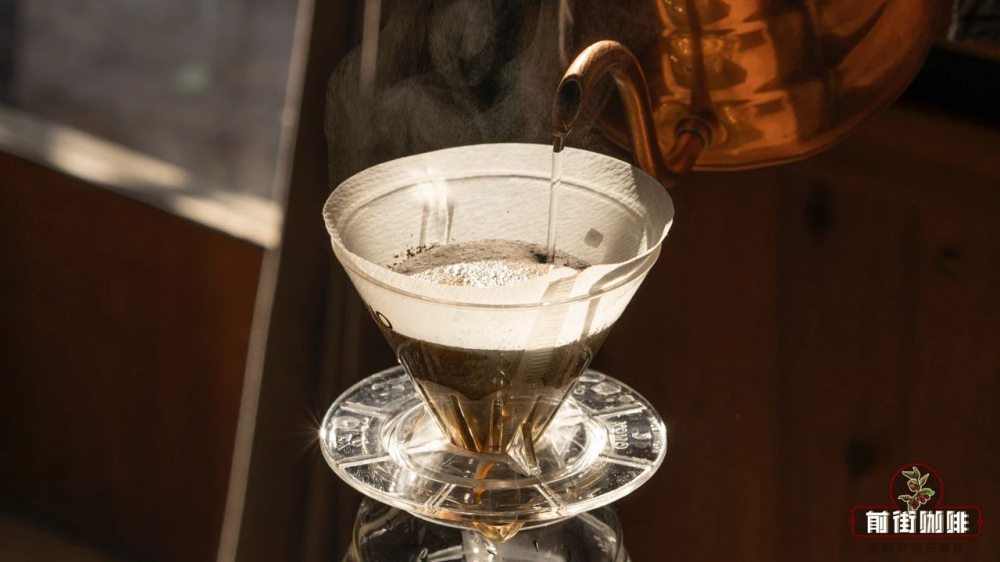
For honey processed coffee beans, it is recommended to set brewing parameters as follows: water temperature 90°C, coffee dose 15 grams, brew ratio 1:15, grind size medium-fine (80% through a #20 standard sieve). The brewing method is: first pour 30 grams of water for a 30-second bloom, then pour 95 grams of water (total around 125 grams), taking about 1 minute; when the water level drops to 2/3 of the coffee bed, pour the remaining 100 grams of water (total around 225 grams), taking about 1 minute and 40 seconds to finish pouring. The total dripping time is about 1 minute and 50 seconds to complete extraction.
The above content is compiled by CoffeeHunters, a coffee news website.


