







Introduction:Single Origin Espresso (SOE) has garnered significant attention in recent years, but how does it differ from the more common espresso blends? This article delves into the definition, flavor characteristics, and roasting essentials of SOE, analyzing its differences from blends in terms of stability and complexity. It also recommends several coffee varieties well-suited for SOE, including natural red cherry and Sidamo. Practical advice on roast curve design and extraction parameter adjustments is provided to help you brew a clear and layered SOE, whether at home or in a café.
With the rise of specialty coffee culture, Single Origin Espresso (SOE) has gradually become the new favorite among many coffee enthusiasts. However, many still wonder about the differences between SOE and traditional espresso blends. What exactly is SOE? Is it really more delicious than espresso made from blends? This article will break down the core concept of SOE and guide you through its unique characteristics in flavor expression and brewing challenges.
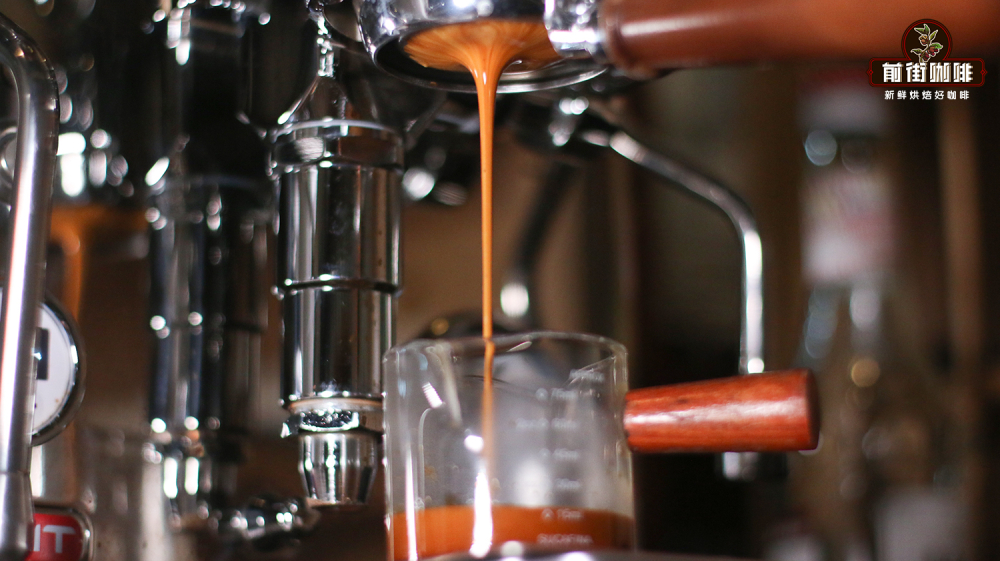
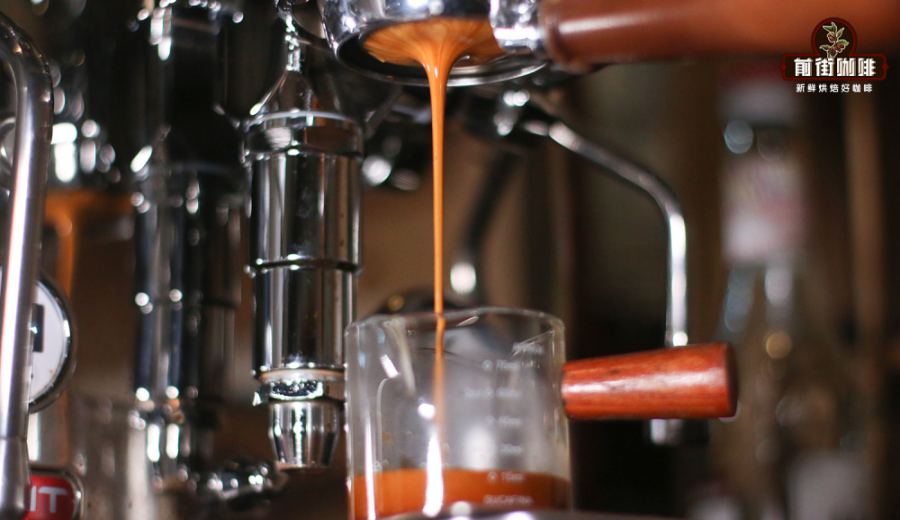
SOE refers to espresso extracted under high pressure using beans sourced from a single region or farm. Unlike typical blends that combine beans from multiple countries or regions, SOE emphasizes the singular expression of "regional flavor." For example, beans from the Yirgacheffe region often deliver pronounced citrus and floral notes, while Kenyan beans may showcase berry flavors and high acidity. However, because only beans from a single origin are used, both their strengths and weaknesses are magnified—especially in the finer details of roasting, grinding, and extraction.
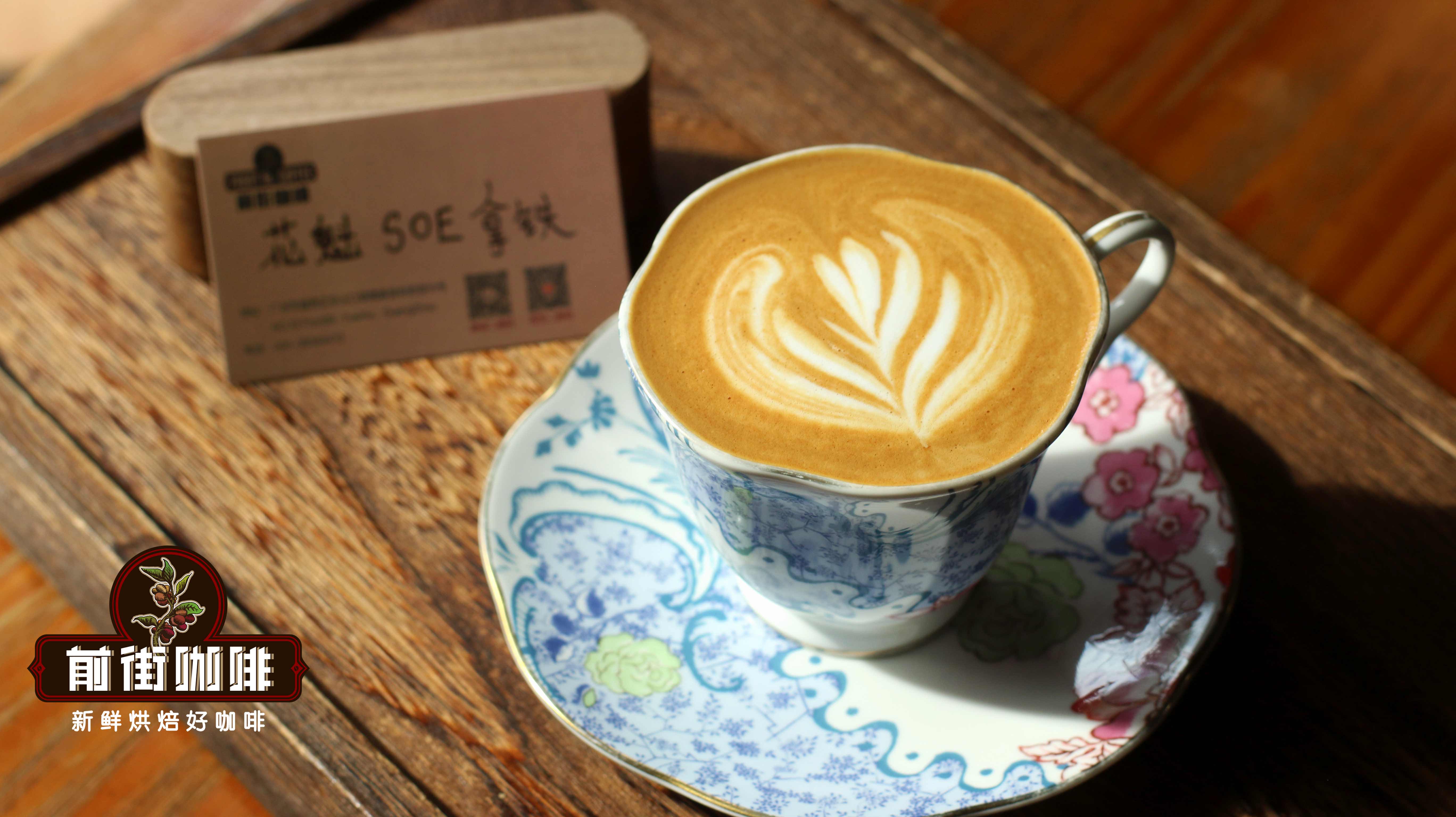
Since the beginning of this year, a number of coffee products featuring SOE have hit the market. Popular series such as the Huakui series have sparked consumer discussions and drawn more attention to the differences between SOE and standard espresso beans. For cafés, incorporating SOE can strengthen brand identity and help customers more intuitively understand the characteristics of different coffee types. For consumers, simply noticing the difference and experiencing more vivid flavors captures the essence of SOE’s appeal.
Some may ask: Is SOE just single-origin beans meant for pour over used directly for espresso? While the answer isn’t entirely wrong, the practical differences are quite significant. Espresso made from single-origin beans can indeed highlight distinct regional characteristics more clearly, but compared to the balance and stability of blends, SOE is more sensitive to roast profiles, grind size, and extraction methods. For beginners, it’s advisable to first get familiar with the traits of blends—for instance, those who prefer bold crema might choose classic blends, while those favoring balanced fruitiness could try berry-toned blends. For more experienced coffee enthusiasts, selecting a single-origin bean with strong and distinctive flavors is the first step in tackling SOE.
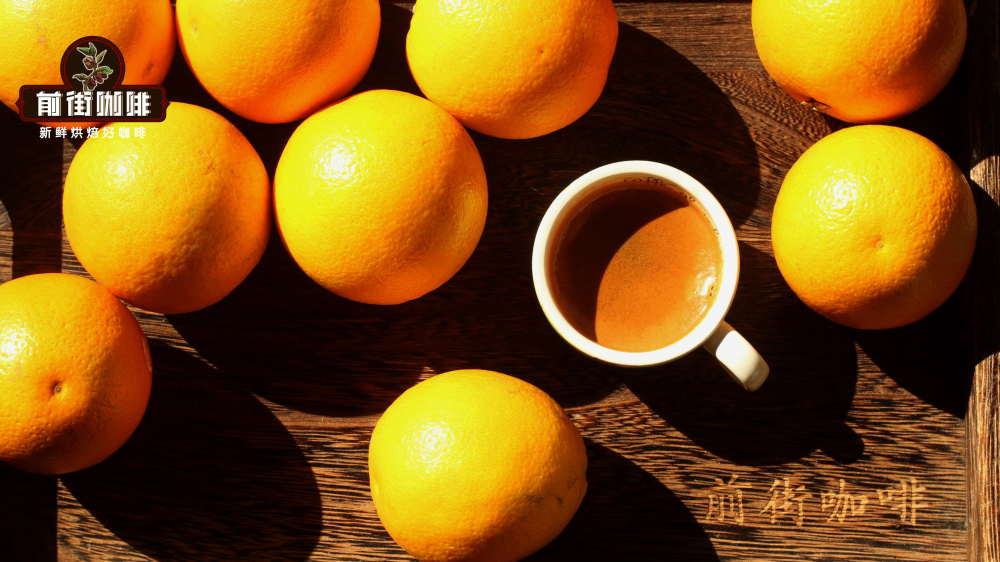
Choosing the right bean variety is crucial for crafting a satisfying SOE. Generally, it’s recommended to select beans with bright fruity notes, vibrant acidity, or clear sweetness. For example, the natural-process Red Cherry coffee from Ethiopia’s Aletaland Farm, grown at altitudes between 1700 and 2200 meters, undergoes full red fruit natural drying. It delivers intense fruit sweetness, bright citrus, and berry tones, making it ideal for drinkers who enjoy fresh and vibrant flavors. The flavor profile of this bean includes citrus, berries, fermentation aromas, with a viscous mouthfeel, medium-to-high but lively acidity, and moderate bitterness.

For those who prefer a bold, fruity SOE, the Sidamo Heirloom coffee from the Huila region is worth considering. These green beans are processed using double anaerobic natural drying at an altitude of around 1700 meters, showcasing exceptionally prominent grape, passion fruit, and citrus aromas. When brewed as SOE, it offers a refreshing sweet-and-sour taste akin to grape juice, making it perfect for summer cold brews or milk-based specialty coffee drinks. Its flavor notes include passion fruit, grape, blueberry, dried fruit, apricot, and chocolate, all layered and distinctly recognizable.
In terms of roasting, since SOE focuses on highlighting the original flavors of a single origin, it’s generally not roasted too dark. However, overly light roasts may result in overly sharp acidity or unwanted off-flavors released under high-pressure extraction. Therefore, roasters are advised to adjust the roast curve specifically for SOE purposes. For instance, the natural Huakui bean offers two roast options: one suitable for pour over or cold brew at a medium-light level, preserving more of the original fruit flavors; the other tailored for espresso machines and moka pots at a medium level, yielding a richer, fuller-bodied taste ideal for coffee drinks with golden crema and velvety milk foam.
Lastly, when preparing SOE, special attention should also be paid to extraction and beverage ratio. Since SOE usually has vivid but not necessarily intense flavors, it’s recommended to adjust grind size and extraction time appropriately—for example, slightly fine-tuning the grind and extending extraction time can improve extraction yield and bring out more nuanced flavors. When pairing with milk, it’s best to reduce the milk ratio, letting the coffee’s own flavors take center stage and avoiding dilution that might obscure its distinct character.
In summary, SOE is a form of espresso that fully showcases the personality of its origin and processing method. Whether selecting beans, designing roast curves, or adjusting extraction and serving ratios, it demands more precise handling than blends. Master these essentials, and whether at home or in a professional setting, you can craft an unforgettable coffee experience with SOE.
The above content is compiled by CoffeeHunters, a coffee news website.


