







Introduction:When you order an Americano, have you ever wondered whether the barista used a blend or a single-origin SOE (Single Origin Espresso)? These two common types of espresso beans not only influence the flavor profile but are also closely related to extraction parameters. This article delves into the standard definition of espresso, compares the differences between blends and SOEs in terms of stability, aroma, and suitable scenarios, and provides practical bean selection advice and extraction references to help you find the most suitable coffee beans based on your taste preferences.
Walking into a café and ordering a common Americano, you might not pay special attention to what kind of beans the barista uses. However, these seemingly ordinary choices actually involve quite a bit of expertise. Currently, espresso beans on the market can generally be divided into two main categories: blends and single-origin SOEs (Single Origin Espresso). These two types each have their own characteristics in terms of flavor expression, stability, and applicable scenarios. Understanding their differences can help you more accurately select coffee beans that suit your taste.
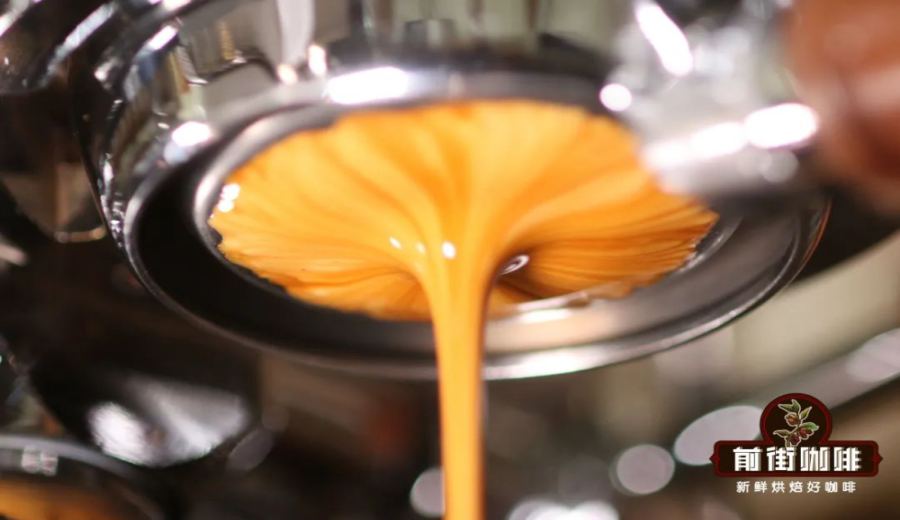
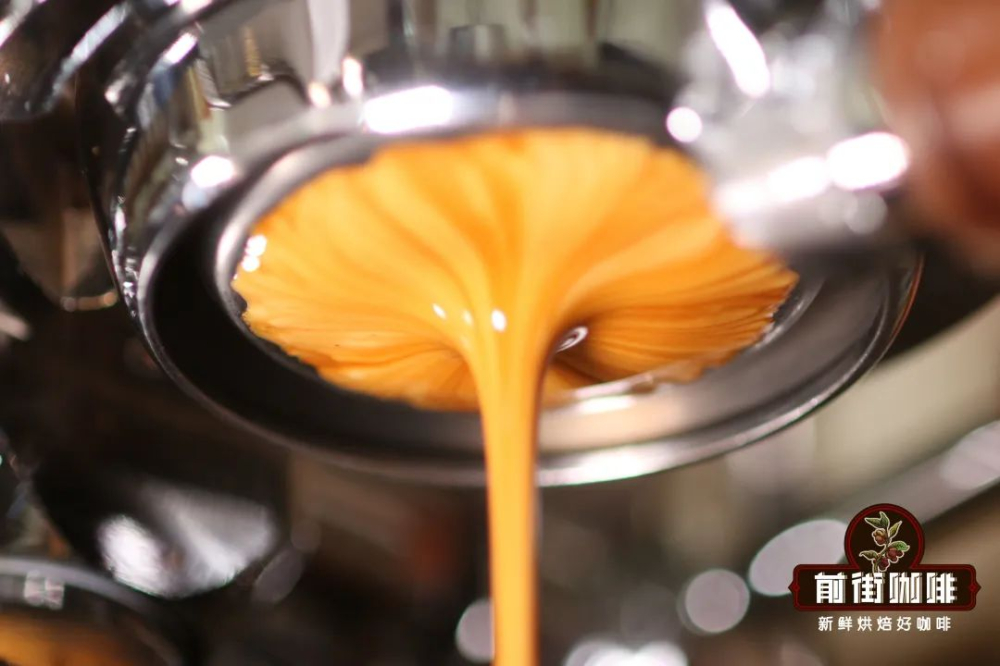
First, let’s review what traditional espresso is. It is a type of coffee extracted under high pressure, with a strong flavor and rich crema. A standard espresso typically features low acidity, a full body, and concentrated aroma, and serves as the base for milk-based coffees such as lattes and cappuccinos. To make an espresso that meets the standard, the following extraction conditions usually need to be controlled:Single shot volume: approximately 25 to 35 milliliters,Coffee dosage depends on the bean variety and grind size,Water temperature: between 90.5 and 96°C,Extraction pressure maintained at 8.5 to 9.5 atmospheres, andextraction time recommended to be between 20 and 30 seconds. These conditions may seem simple, but they place certain demands on both equipment and technique, which is also why many home users find it difficult to achieve on their own.
Among the many types of espresso beans, blends are one of the most common choices. A blend refers to coffee beans sourced from different regions and processed using different methods, carefully combined by baristas or roasters according to specific flavor goals. The purpose of this approach is usually to pursue balanced flavors, stable mouthfeel, and to ensure a consistent quality even when seasonal or harvest variations occur. Generally speaking, blends are often medium or medium-dark roasted to bring out a full body and low acidity, making them suitable for various milk-based coffees.
For example, there is a classic espresso blend recipe inspired by the once-popular "Mamba" combination in Taiwan, which pairs Indonesian Mandheling with Brazilian beans. This combination complements flavors, with the heaviness of Mandheling balancing the sweetness of Brazilian beans. Some advanced versions of the blend may also include a small amount of Robusta beans to enhance the body and crema performance of the coffee. For home users or those trying to make lattes and cappuccinos for the first time, this is a quite friendly and cost-effective choice.
If you prefer an espresso with more layers and fruity floral aromas, you might consider choosing an SOE (single-origin espresso) that is primarily medium-light roasted. These coffee beans usually come from specific regions, such as honey-processed beans from Costa Rica or natural-processed beans from Ethiopia, and can showcase more distinct fruit notes, such as berries, citrus, or honey-like sweetness. However, since single-origin beans have more unique flavors and are more susceptible to seasonal and climatic influences, more precise control over extraction parameters is required to bring out the best flavors. These beans are suitable for coffee enthusiasts who enjoy exploring flavor variations and have some understanding of extraction.
For beginner coffee enthusiasts, it is recommended to prioritize blends with high stability and reasonable pricing. These beans are usually optimized for home or semi-professional machines, not only easy to use but also allowing you to enjoy café-level taste within a reasonable budget. In addition, selecting freshly roasted beans is crucial. It is recommended to choose beans from branded roasters and pay attention to the roast date, using them preferably within one to two weeks after roasting to achieve the best flavor performance.
In summary, blends and SOEs each have their advantages. Blends emphasize balanced flavors and stability, making them suitable for daily drinking and beginners. On the other hand, SOEs can showcase the unique personality of a single origin, making them ideal for advanced users who are eager to explore flavors. No matter which you choose, mastering basic extraction parameters—such as water temperature, pressure, and grind size—is key to improving coffee quality. Through continuous experimentation and adjustment, you will be able to find the espresso bean that best suits your taste.
The above content is compiled by CoffeeHunters, a coffee news website.


