







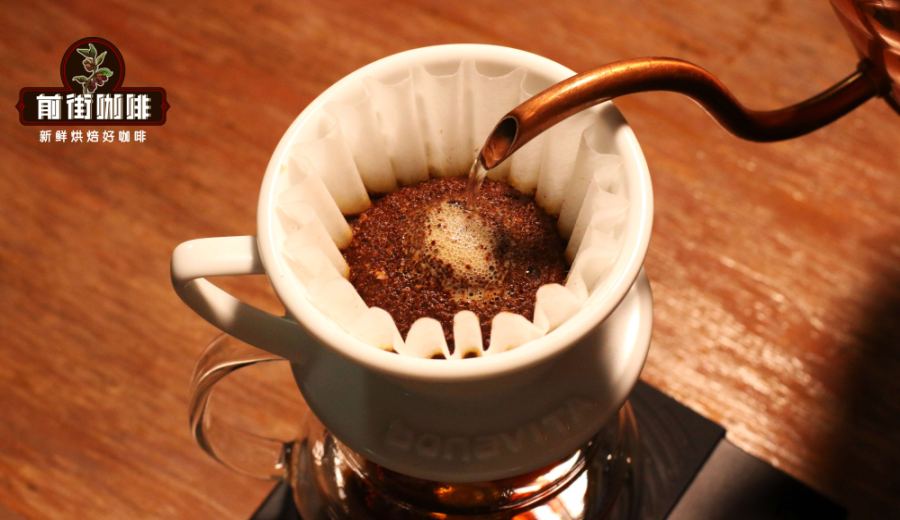
Introduction:Grind size is a core factor influencing the release of coffee flavors. Whether you're using pour over or espresso, different grind coarseness directly determines extraction efficiency and the final taste. This article delves into the grind standards suitable for medium-light and medium-dark roasted beans in pour over brewing, teaches you how to test grind particle distribution using a 0.85mm No. 20 sieve, explores the impact of extremely fine grinds and grinder burr distance on extraction time for espresso, and explains the principle behind crema generation in moka pots — helping you fine-tune your grind settings and elevate your home brewing quality.
During the coffee brewing process, grind coarseness is one of the most critical variables, directly affecting the contact area between water and coffee grounds and the extraction efficiency. Grinds that are too coarse or too fine can not only waste high-quality beans but may also cause the original layered flavors to disappear entirely. Understanding the optimal grind settings for various brewing methods is the first step for every coffee enthusiast aiming to improve home brewing quality.
How does grind size affect extraction in pour over coffee?
The size of coffee particles after grinding determines how easily hot water penetrates and the rate of extraction. The more uniform and closer to the ideal size the particles are, the more stably flavor compounds are released, avoiding over-extraction or under-extraction. Generally speaking, the finer the grind, the greater the contact area with water, allowing more soluble substances to dissolve — but if too fine, it can lead to over-extraction and bitterness. Conversely, if the grind is too coarse, water flows through too quickly, potentially causing incomplete extraction and a weak flavor.
Grind recommendations for medium-light and medium-dark roasted beans
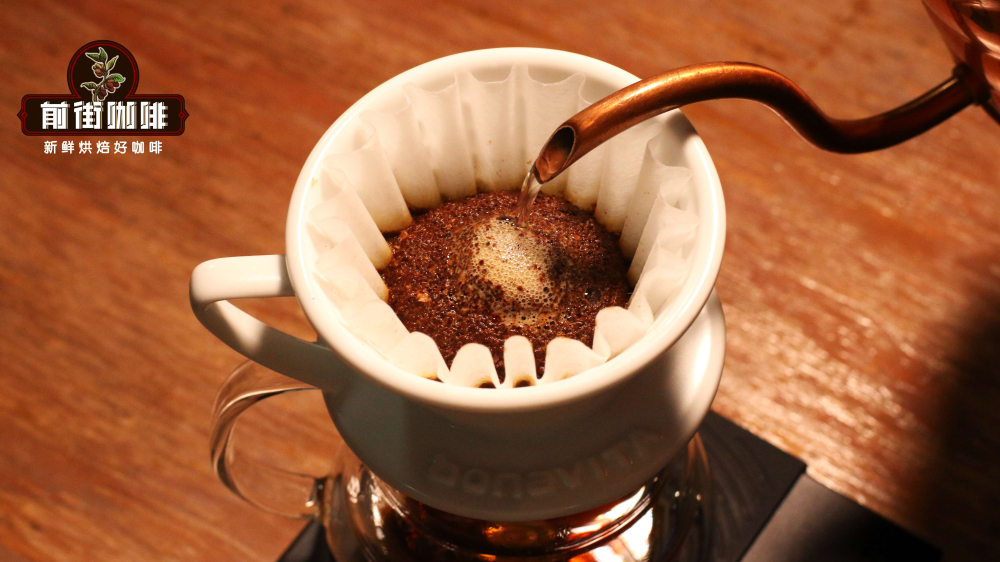
Medium-light roasted coffee beans typically feature pronounced fruit acidity and aroma, but their caramelized compounds are harder to extract. It is recommended to use a medium-fine grind (approximately 80% passing through a 0.85mm No. 20 sieve, similar in size to fine sugar crystals). This grind size slows down the water flow rate, allowing more time for the release of sweet and acidic notes along with caramelized flavors. Suggested water temperature is 90–91°C. If the temperature is too high, it may bring out excessive caramel bitterness; if too low, you might end up with a thin acidic-sweet taste.
For medium-dark roasted beans, the flavor profile tends to be richer and lower in acidity with abundant caramelized content, making a medium-coarse grind appropriate (about 70% passing through a No. 20 sieve, with particles resembling coarse sugar). This setting helps speed up the water flow, preventing over-extraction of the caramelized portion, maintaining sweetness and body while avoiding bitterness. Suggested water temperature is slightly lower, around 88–89°C, to achieve the best balance.
How to test grind particle distribution using a 0.85mm No. 20 sieve?
To confirm whether your grind size meets the standard, you can perform a sieving test using a 0.85mm No. 20 sieve. Weigh out 10 grams of coffee grounds, pour them into the sieve, and gently shake until no more grounds pass through. Then weigh the amount of coffee that passed through: if about 8 grams passed, it’s a medium-fine grind; if about 7 grams passed, it’s a medium-coarse grind. If the passing rate is too high, adjust the grinder to a coarser setting; if too low, adjust to a finer one. If you don’t have a sieve at home, you can also observe the brewing water flow rate — too fast indicates the grind is too coarse, too slow may mean it's too fine.
Reference grind particle distribution for different brewing methods
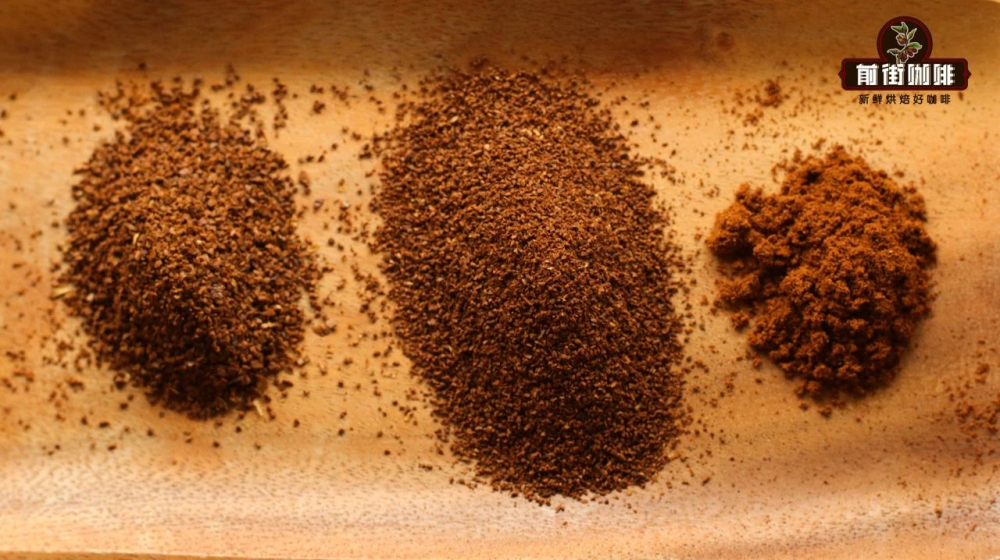
In general, the suggested particle distribution rates for various brewing methods are roughly as follows: cold drip > pour over, siphon (around 80%) > moka pot, American drip (75–80%) > cupping (70–75%) > French press (65–70%). These values serve as a reference, but actual adjustments should be made based on bean variety, flavor preferences, and brewing equipment.
Importance of grind uniformity
In addition to grind coarseness, the uniformity of particle size is equally crucial. If there is too much variation between fine and coarse particles in your coffee grounds, the fine ones are prone to over-extraction, leading to off-flavors and bitterness, while the coarse ones may be under-extracted, resulting in a weak flavor. The ideal grind should have most particles falling within the target range to ensure balanced flavor. If you frequently encounter such issues, consider switching your grinder for more consistent results.
The fine grind requirements for espresso
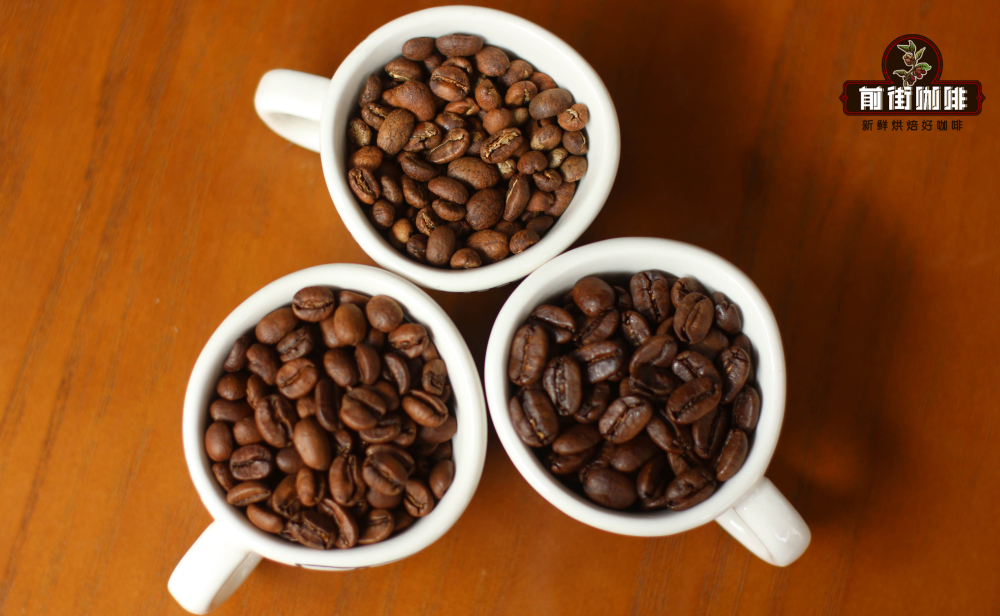
Compared to pour over, espresso requires a significantly finer grind. This is because its brewing principle relies on high-pressure steam rapidly passing through a compact puck of coffee grounds. Coarse grounds allow water to flow through too quickly, resulting in under-extraction, whereas extremely fine grounds increase the density of the coffee bed, prolonging extraction time and helping fully release intense flavors and crema.
Relationship between grinder burr distance and extraction time
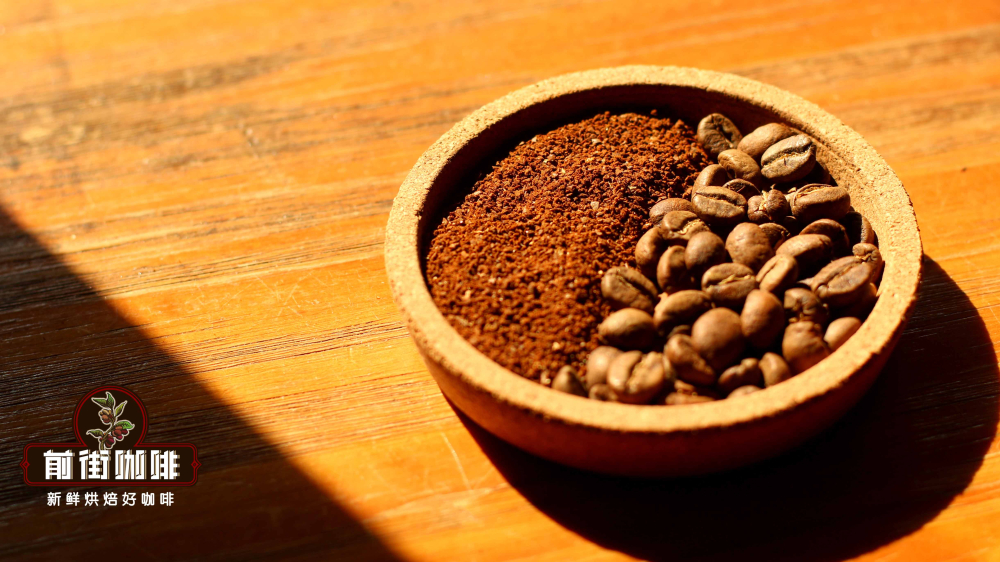
Espresso grinders control grind coarseness by adjusting the distance between burrs. The smaller the distance, the finer the grind, leading to a denser coffee bed, increased water resistance, and naturally longer extraction time. Conversely, a larger burr gap results in coarser particles, smoother water flow, and quicker extraction. To achieve ideal extraction, it’s essential to find the right fineness for your specific machine, ensuring the coffee bed can withstand high pressure without becoming excessively clogged.
How to find the right grind setting for your home espresso machine?
The ideal espresso extraction ratio is usually 1:2 (for example, 20 grams of coffee grounds yielding 40 milliliters of espresso), with an extraction time ideally between 25 and 28 seconds. If the grind is too coarse, water flows too fast, shortening the extraction time and possibly resulting in sourness and pale crema. If too fine, water flow is restricted, prolonging extraction and potentially causing burnt, bitter flavors and overly dark crema. Adjust based on observed extraction time, flow rate, and flavor performance to gradually reach the optimal state.
Advanced users can use a concentration meter to measure whether the extracted liquid’s concentration falls between 7% and 12%, providing a more scientific confirmation of proper extraction. Be sure to stir the sample well before taking it, and calibrate the instrument with pure water.
Practical espresso extraction parameters and flavor profiles
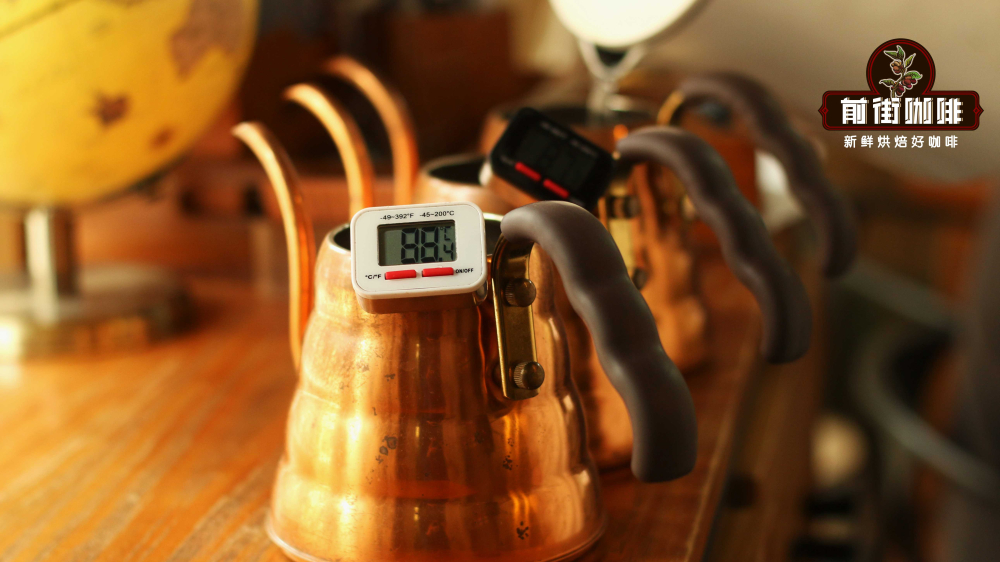
Taking a blend of sherry-cask-aged beans and sun-dried Yirgacheffe as an example, here are suggested espresso extraction parameters: use a Faema 900N grinder, set the grind to 1.6, use 20 grams of coffee, extract 40 milliliters, control water temperature at 90.5–96°C, maintain pressure at 9 bar, with extraction time around 25 to 33 seconds. Under these settings, the coffee offers a smooth mouthfeel and moderate body, with flavor layers including distinct fruit acidity, berry aromas, subtle whisky-like notes, rich chocolate tones, and a notable sweet aftertaste.
The relationship between moka pots and crema
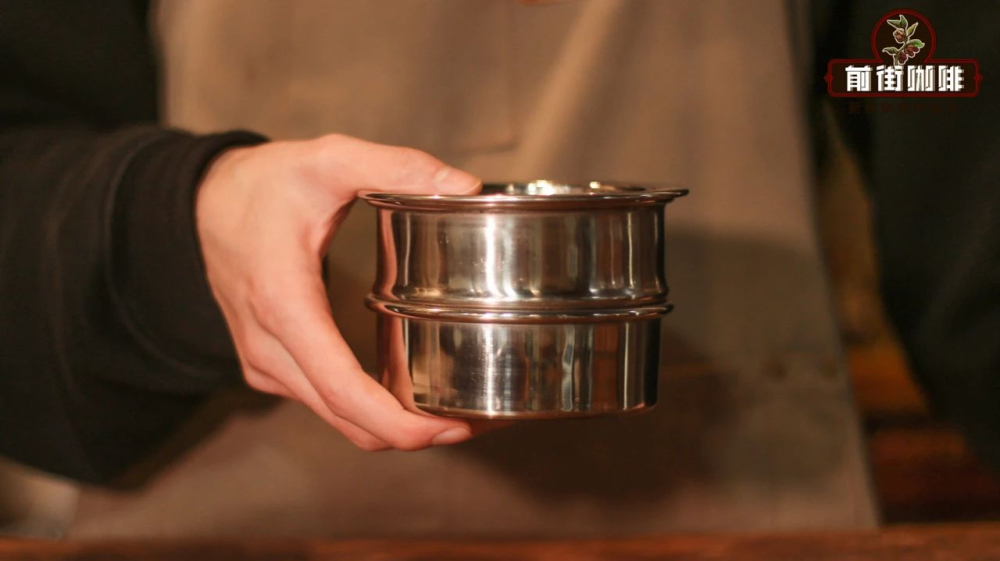
Although not strictly espresso, the high-pressure heating nature of moka pots can also produce a crema-like oily layer. To form this layer, coffee grounds must be ground extremely fine, close to espresso standards, ensuring steam can sufficiently penetrate the coffee bed to extract oils and intense flavors. If the grind is too coarse, water flows too quickly, not only preventing crema formation but also causing uneven extraction and loss of flavor.
The above content is compiled by CoffeeHunters, a coffee news website.


