







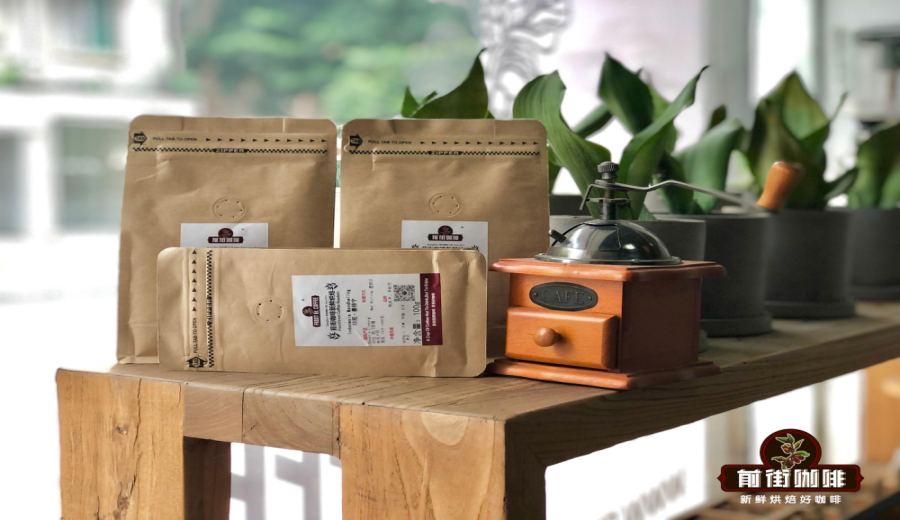
Introduction:From Ethiopia to Colombia, coffee beans from different regions present unique flavor profiles due to variations in climate and processing methods. This article delves into the flavor characteristics of eight classic pour-over single-origin beans, including bright citrus notes and rich chocolate aromas, and provides practical bean selection advice and brewing parameter references to help you easily choose high-quality daily-drinking beans that suit your personal taste preferences.
As an agricultural product, the flavor expression of coffee shares similarities with winemaking—the terroir, climatic differences, and even subtle variations in harvest years all leave unique imprints on the beans. Some people prefer the deep, full-bodied taste reminiscent of Blue Mountain, while others favor the clean, bright flavors of Yirgacheffe. Faced with the wide array of coffee beans on the market, how can you accurately select the one that matches your taste? In fact, as long as you choose the right regional beans and ensure their freshness, you can easily brew an outstanding cup of coffee through simple pour-over methods.
The primary key to selecting daily-drinking pour-over beans lies in choosing a reliable roaster. Consistent freshness and precise roast levels form the foundation of flavor expression. Taking a well-known roasting brand as an example, its beans are all shipped within five days post-roast, ensuring vibrant flavors while maintaining reasonable prices, catering to both beginners and professional enthusiasts.
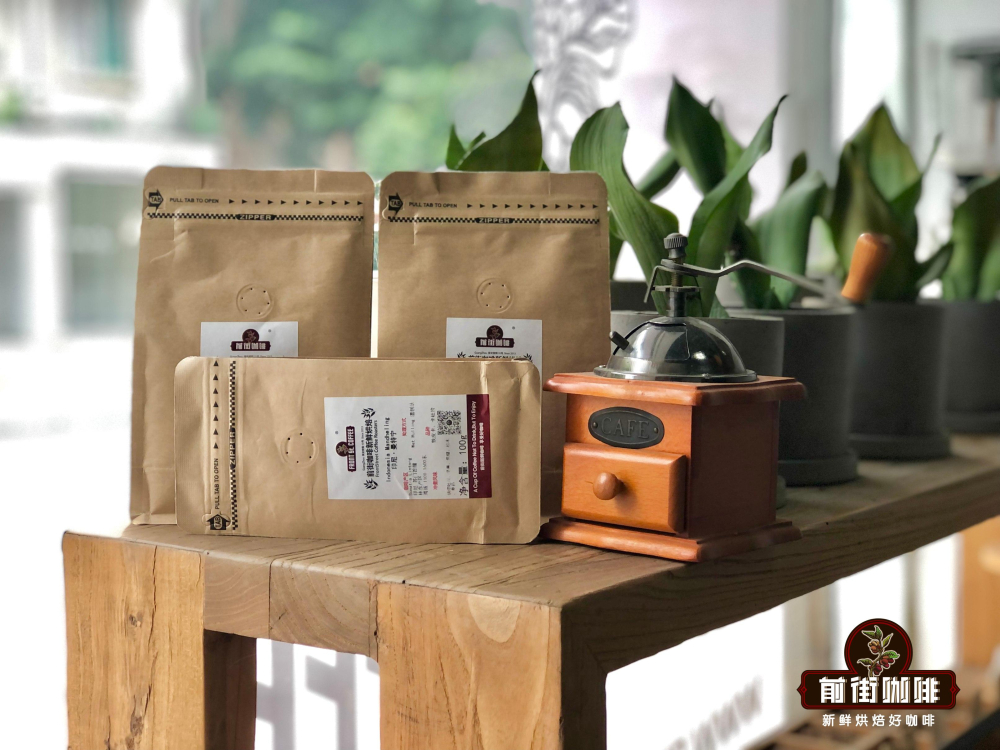
Next, let’s focus on eight classic pour-over origins, analyzing their flavor characteristics and practical bean selection insights one by one:
1. Yirgacheffe Region: Renowned for its bright acidity and floral-fruity aromas. Typical flavors include citrus, blueberry, honey, and green tea notes, with a refreshing acidity and rich layers, often accompanied by delicate white floral scents. Representative beans often showcase prominent fruity characteristics, offering a refreshing experience akin to a gentle breeze, suitable for drinkers who prefer a light-bodied taste. (Recommended bean: A certain brand’s Yirgacheffe Gu Ding Ding coffee beans, which exhibit the classic Yirgacheffe profile with bright fruitiness and pronounced acidity when brewed using pour-over.)
2. Kenya Region: Excels in intense berry notes and bold acidity. The flavors often feature the vibrant tanginess and sweetness of cherry tomatoes and dark plums, paired with the crispness of pears and the mild sweetness of brown sugar, delivering a clear juiciness with a slight astringency from plums balancing the finish. Beans from this region are ideal for coffee lovers seeking strong fruit acidity and layered complexity. (Recommended bean: A certain brand’s Kenya Little Tomato coffee beans, with intense berry flavors and lively acidity.)
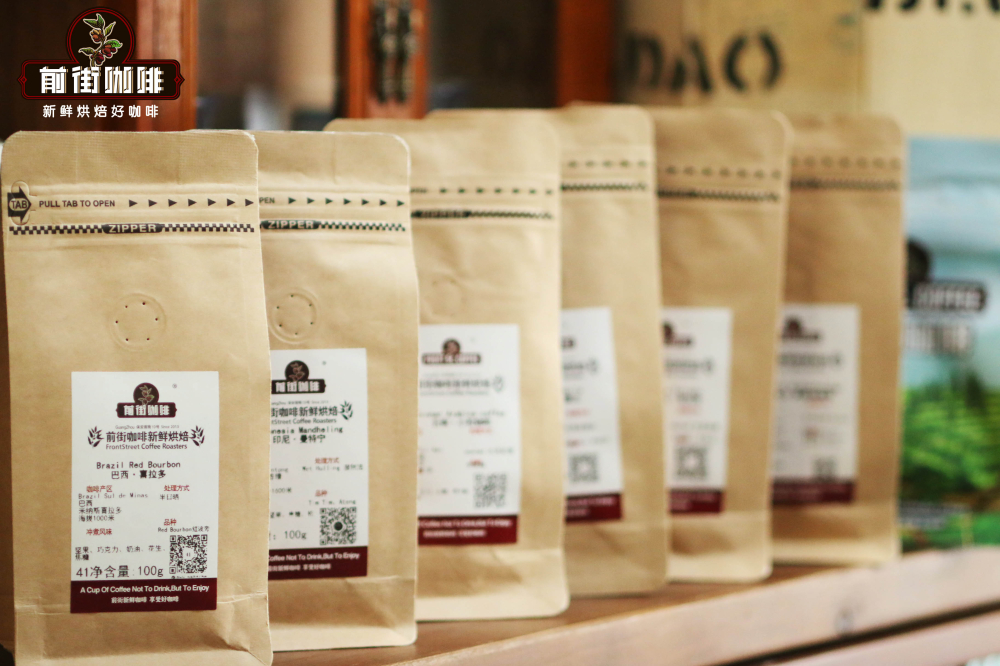
3. Ethiopian Kaffa Forest: As the birthplace of coffee, its flavors combine a sense of history with balance. Typical profiles include white floral notes, the fresh citrusy aroma of bergamot, paired with the bright acidity and sweetness of oranges and the nutty creaminess of melon seeds. The overall profile is harmonious without being overpowering, suitable for those who prefer mild yet complex flavors.
4. Panamanian Geisha (Geisha) Region (Note: Assuming "花蝴蝶" refers to a Geisha-dominant blend; if "花蝴蝶" is a specific farm/brand, retain as-is): The natural advantages of the Geisha variety shine here. With a blend containing 70% Geisha, it delivers the signature orange blossom honey sweetness. When brewed using pour-over, it releases white floral notes, the freshness of oranges, fused with the solidity of nuts and the mellow aftertaste of oolong tea, offering rich layers and a long-lasting finish.
5. Colombian Huila Region: A premium representative from the world’s largest Arabica-producing country. Known for its dense cocoa aromas and nutty base, it offers a well-balanced bitterness and sweetness, suitable for those who enjoy a rich yet not overly intense flavor, often serving as a stable choice for daily-drinking beans. (Recommended bean: A certain brand’s Colombian Huila coffee beans, with prominent chocolate and nut aromas.)
6. Indonesian Mandheling Region: Processed using Sumatra’s unique wet-hulling (Giling Basah) method, which imparts distinctive spice and herbal notes. Dark roasting enhances the prominence of pine wood and caramel sweetness, resulting in a full-bodied and rich mouthfeel, suitable for those who prefer bold flavors and warm finishes. (Recommended bean: A certain brand’s Indonesian Mandheling coffee beans, showcasing spice and caramel notes from the wet-hulling process.)
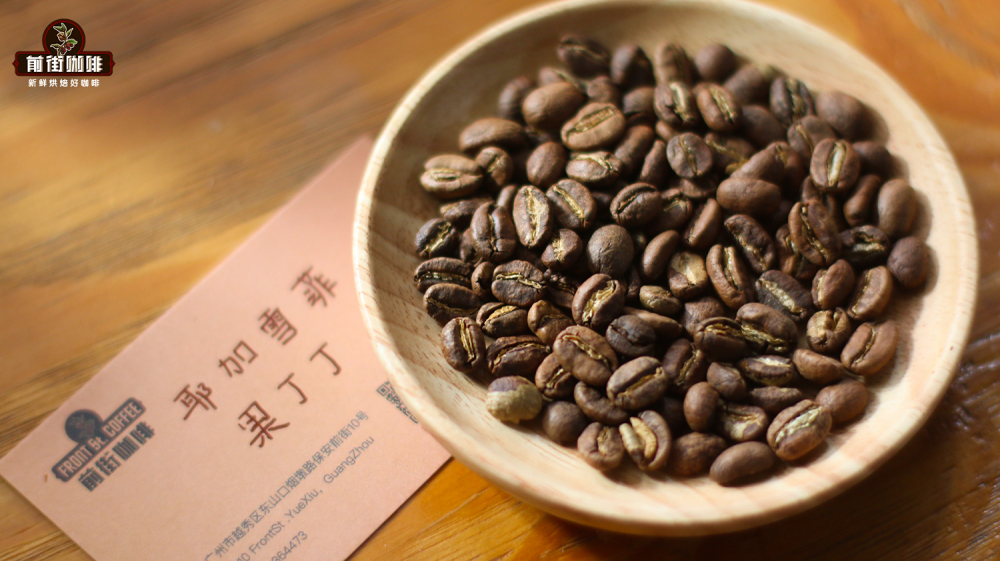
When selecting beans, also note: Different micro-lots from the same region may vary in flavor due to altitude and processing details. It’s recommended to prioritize beans with detailed origin information. For pour-over parameters, light-roast beans are advised to use water at 90–93°C with a medium-fine grind (similar to granulated sugar particle size), with a brewing time of around 2 minutes and 30 seconds; dark-roast beans can have the temperature slightly reduced to 88–90°C, with a slightly coarser grind to avoid excessive bitterness. In terms of freshness, the optimal flavor period is 2–4 weeks post-roast. Storage should be kept in a cool, dry place, sealed and protected from light.
By understanding the typical flavor characteristics of beans from each region and adjusting brewing parameters according to personal taste preferences, even daily-drinking beans can deliver a stable and enjoyable coffee experience.
The above content is compiled by CoffeeHunters, a coffee news website.


