







Introduction:Did you know? Costa Rica has a popular series of coffee beans named after musical masters — Bach, Beethoven, and Mozart. These coffees come from the Canet Estate in the high-altitude Tarrazú region, and are processed using washed and honey methods to showcase distinctly different flavor profiles. This article takes an in-depth look at the processing methods, regional characteristics, and actual flavor profiles of these three coffees, and provides pour over reference parameters to help you find the one that suits your taste best.
In the world of specialty coffee, naming conventions vary widely — some are named after origins, others after farms, but coffee beans named after musicians are truly unique. The Canet Estate in Costa Rica’s central Tarrazú region has launched a series of coffees inspired by this concept, including Bach, Beethoven, and Mozart. This is not only a tribute to classical music, but also showcases how coffee flavors can have the layered complexity and emotion of a musical composition.
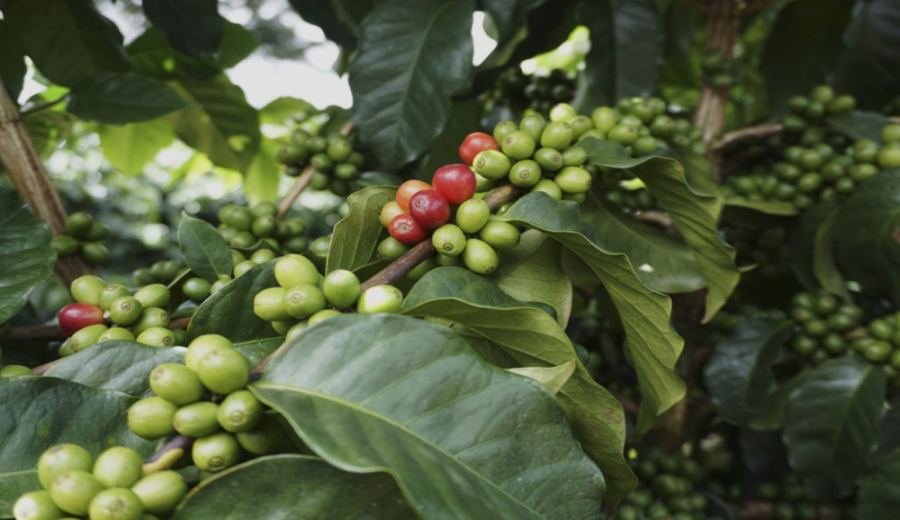
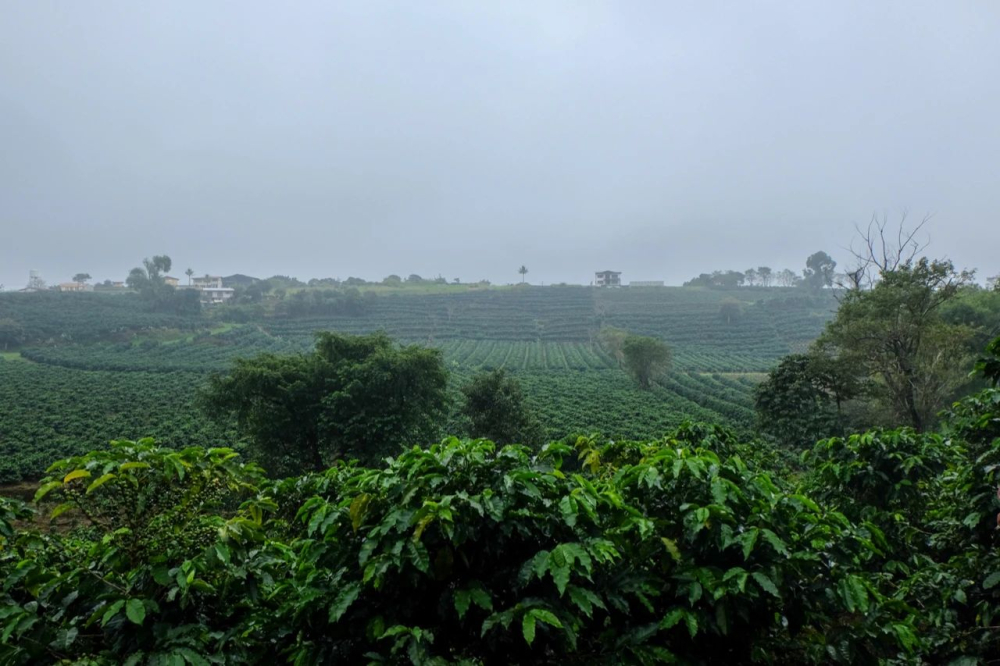
The Canet Estate is situated at elevations between 1700 and 1950 meters above sea level, classified as SHB (Strictly Hard Bean), indicating extremely hard beans. The cool climate and significant day-night temperature variation help the coffee cherries ripen slowly, accumulating richer sugars and flavor compounds. The region’s volcanic soil is rich in minerals, providing a unique foundation for the coffee’s terroir. All three coffees in the Musician Series use the Caturra and Catuaí varieties, and are processed with both washed and raisin honey methods to create distinctly different taste experiences.
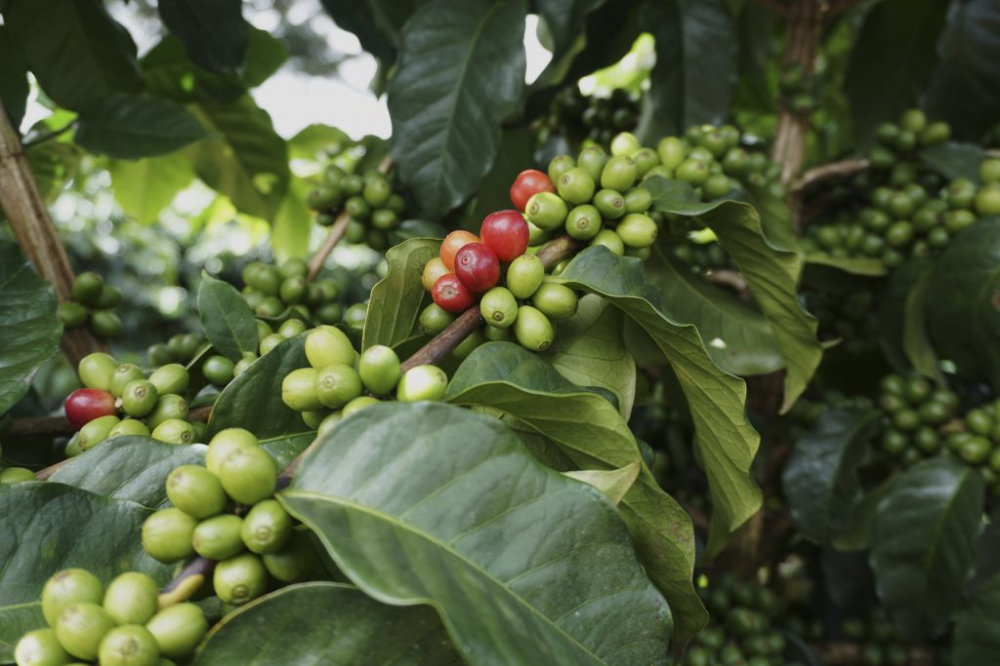
The 2019 edition of the Musician Series particularly focused on the Caturra variety, which can express more concentrated sweetness, complex acidity, and delicate aromas in high-altitude environments. That year’s trio — Bach, Beethoven, and Mozart — each interprets the personality of classic figures in classical music through different processing methods and flavor directions.
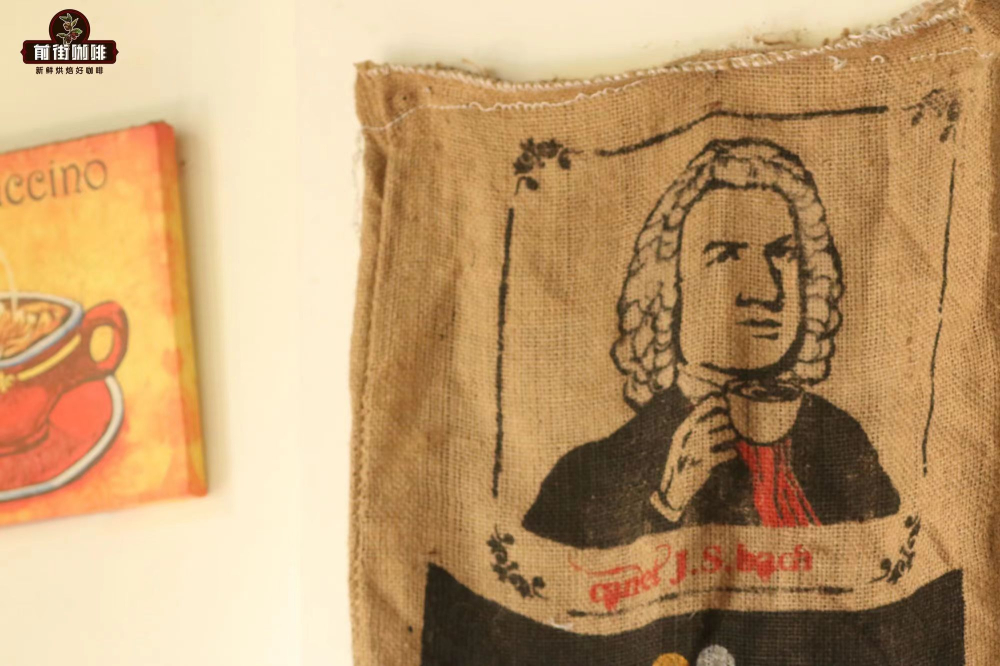
Let’s start with “Bach.” This coffee draws its name from the Baroque composer Johann Sebastian Bach, whose music is known for its rigorous structure and clear layering. The dry aroma of the coffee carries intense notes of strawberry, blackberry, and raisin, and these fruity scents become even more vibrant once brewed. When hot, floral and fruity notes intertwine, and upon tasting, the fruitiness and bright acidity are immediately apparent, with subtle wine-like undertones emerging in the mid-to-late stages. As the coffee cools, it transforms into a honeyed sweetness reminiscent of preserved fruits and a lingering aftertaste akin to plum wine — much like listening to a refined Baroque piece.
Next is “Beethoven.” This coffee draws inspiration from the legendary maestro, and reportedly, his habit of counting coffee beans adds an amusing anecdote to this particular brew. Beethoven is processed using the washed method, giving it an exceptionally clean and bright character. The dry aroma features notes of red berries, especially prominent strawberry, accompanied by gentle floral scents. Once brewed, a honey-like sweetness blends with the fresh, tart-sweet notes of green grapes, resulting in a smooth and well-balanced cup with vibrant acidity that remains soft. As the temperature drops slightly, the berry flavors become even more pronounced. It’s been described by many international coffee enthusiasts as a summery coffee, ideal for those who prefer a refreshing profile. Additionally, it is one of the rare washed-processed coffees in the Musician Series, offering a contrast to the other honey-processed versions.
Finally, there’s “Mozart.” As a child prodigy of classical music, Mozart’s compositions are known for their brilliance and brightness, qualities that this coffee also embodies. Previous versions of Mozart were made with yellow Catuaí and processed with red honey to emphasize an exuberant floral character; the 2019 version, however, uses Caturra as its base, presenting a different kind of sweetness. This coffee offers elegant white floral notes, such as the freshness of orange blossom, detectable even when hot. Upon tasting, it reveals a complex sweetness of dark berries, raisins, and hints of red berries, with a touch of plum acidity and a gummy bear-like sweet tone in the mid-to-late stages. Even as it cools, the floral and sweet notes persist, like a smooth and joyful concerto.
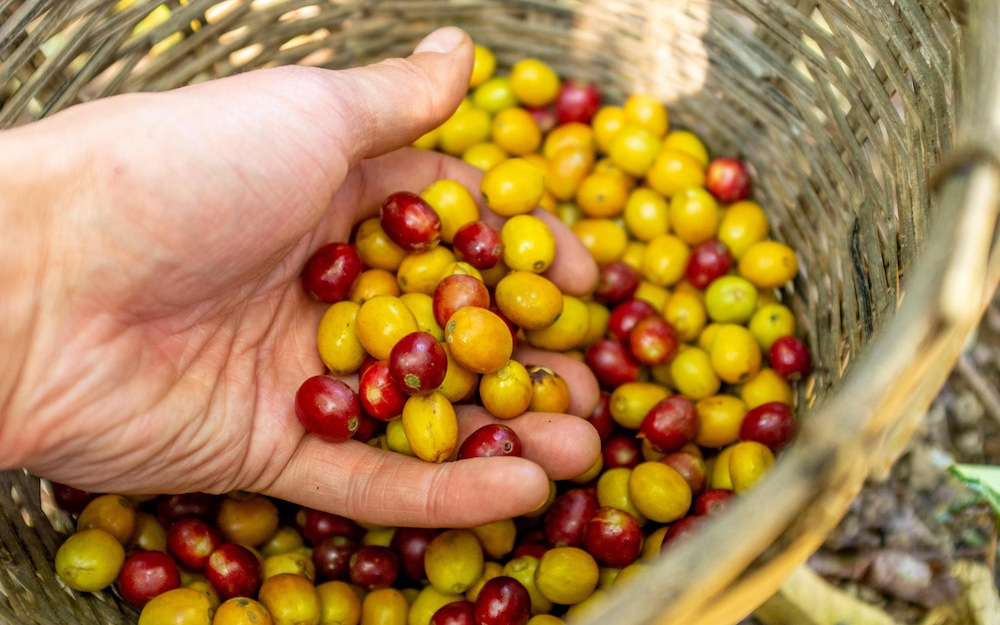
Aside from their distinct flavor profiles, the processing methods of these three coffees also play a key role in their final expression. Raisin honey processing retains some mucilage, enhancing sweetness and wine-like qualities, while washed processing delivers a cleaner acidity and a crisp finish. For coffee enthusiasts keen to explore different processing methods, this series offers an excellent opportunity for comparison.
If you plan to brew these at home using a pour over method, here are some basic parameters for reference: a medium-fine grind (similar to the grind size used for a moka pot or a medium-fine pour over filter), water temperature around 90–93°C, and a coffee-to-water ratio of 1:15 to 1:16. Based on personal taste, you can fine-tune the water temperature and brewing time to highlight different flavor layers. For example, to enhance fruitiness and acidity, you might slightly lower the water temperature; if you prefer a sweeter and fuller-bodied cup, you can increase the water temperature or extend the brewing time.
In summary, the Musician Series from Costa Rica’s Canet Estate is not just uniquely flavorful, but also enriches the coffee experience with artistic and cultural depth. Bach’s layering and wine-like notes, Beethoven’s freshness and berry vitality, and Mozart’s brilliance and sweetness each tell a different coffee story. Whether you’re a coffee newbie or a seasoned enthusiast, these three are worthy of careful sipping — and may just make you wonder: which maestro’s flavor will you choose for your next cup?
The above content is compiled by CoffeeHunters, a coffee news website.


