







Introduction:Grind size is one of the core factors that affect coffee flavor—grinds that are too coarse or too fine can both lead to extraction imbalance. This article provides a detailed breakdown of the ideal grind sizes for three common brewing methods: pour over, espresso, and the moka pot. It includes practical parameters such as extraction yield, water temperature, and brew time, along with tips for sieve verification and adjustment advice, helping you master the grind settings for each brewing device with precision.
The outcome of coffee extraction depends on numerous variables including coffee-to-water ratio, water temperature, brew time, and grind size—among which grind size has the most direct impact on flavor. If the coffee grounds are too coarse, water passes through too quickly, preventing sufficient release of flavor compounds, often resulting in a thin and dull cup; conversely, if the grind is too fine, excessive resistance in the coffee bed leads to over-extraction of bitter and astringent components, disrupting overall balance. Therefore, adjusting grind size according to different brewing methods is the first crucial step to brewing a great cup of coffee.
The following sections will explain the corresponding grind standards, extraction parameters, and practical adjustment techniques for pour over, espresso, and the moka pot—three common brewing methods. We’ll also provide sieve verification methods to help you easily grasp the optimal grind settings for each device.
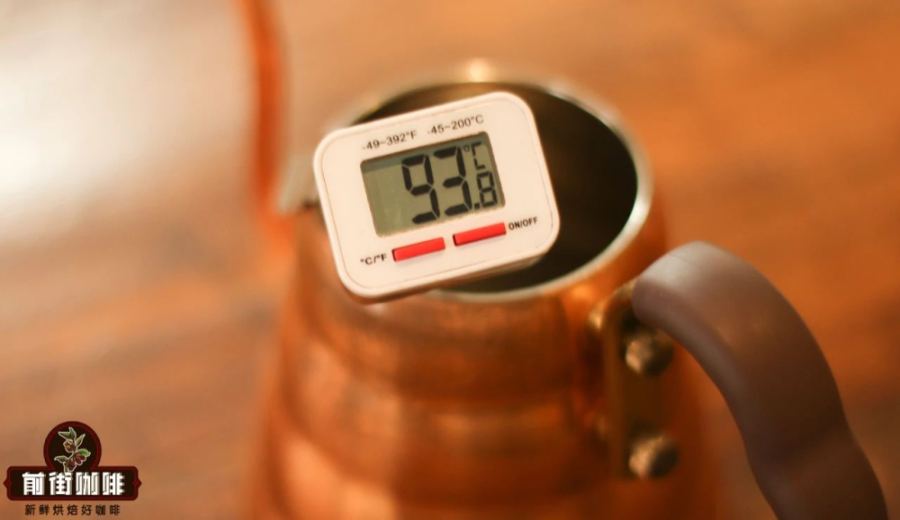
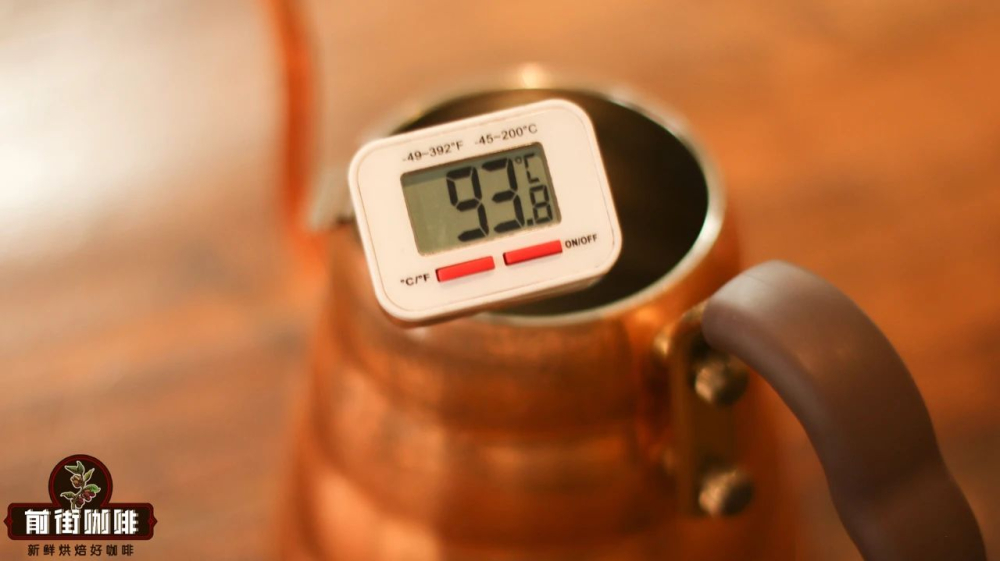
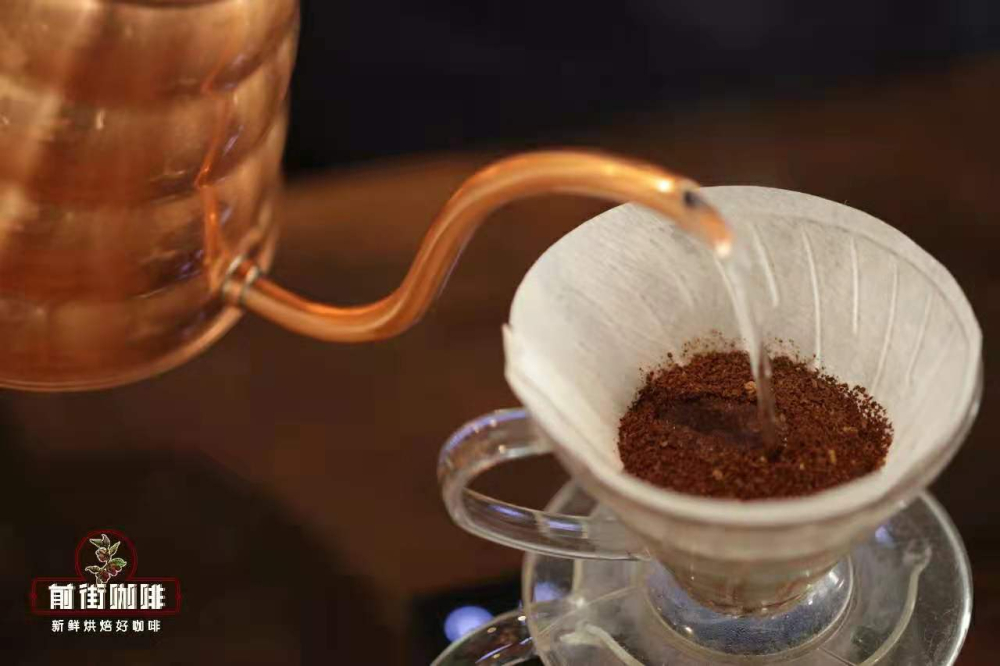
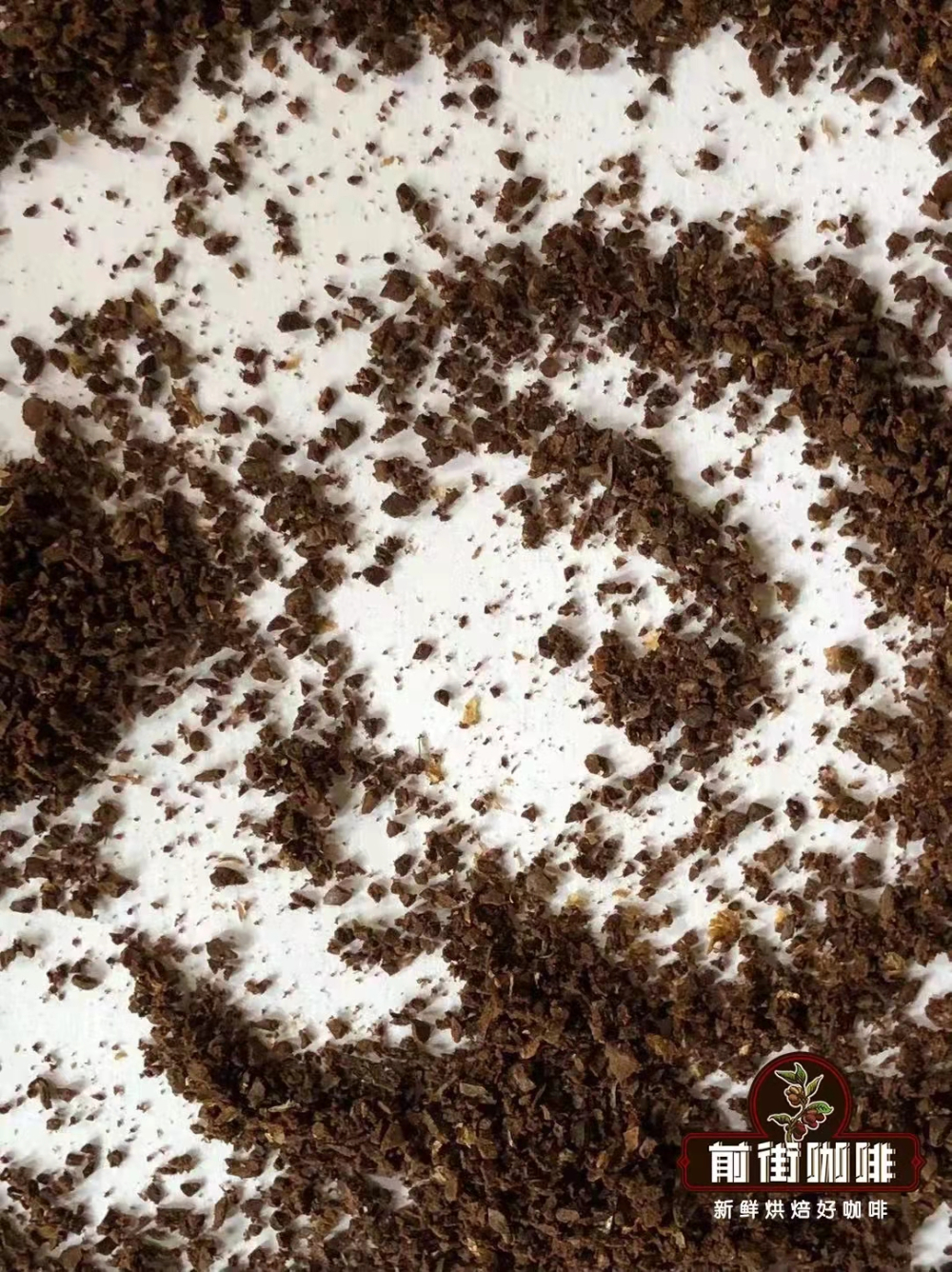
The grind size for pour over coffee should be adjusted based on the roast level of the beans. Taking commonly available freshly roasted single-origin beans as an example, medium-light roasted beans typically exhibit pronounced acidity and are less likely to release caramelized compounds. It is recommended to use a medium-fine grind with an extraction yield of about 80% (based on a 0.85mm No. 20 sieve), with a texture similar to fine sugar. This grind size slows down the water flow, allowing the balanced release of acidic, sweet, and caramel flavors. The recommended water temperature is 90–91°C. If the temperature is too high, it may extract excessive caramelized compounds, leading to bitterness; if too low, the flavor will be thin.
Medium-dark roasted beans have a higher body, richer caramelized compounds, and relatively lower acidity, making them suitable for a medium-coarse grind with an extraction yield of around 70%, with a particle feel similar to coarse sugar. This grind size speeds up the water flow, preventing over-extraction and delivering a sweet, full-bodied taste. The recommended water temperature is 88–89°C. Too high a temperature can bring out bitterness and astringency, while too low can result in a flat flavor.
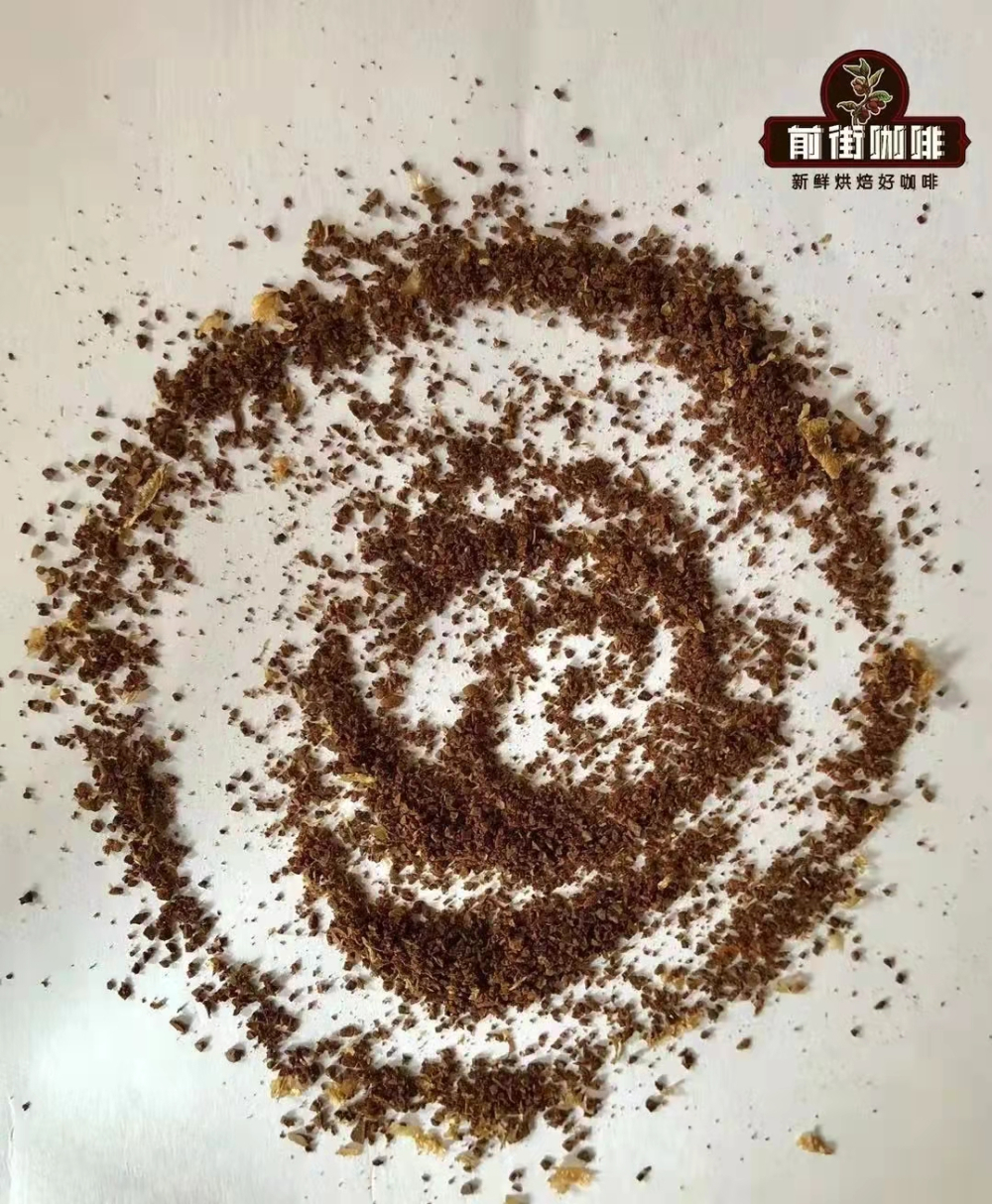
How to verify whether the grind size is appropriate? You can use the sieve method: take 10 grams of ground coffee, pour it into a 0.85mm No. 20 sieve, cover with the lid, and gently shake from side to side until no more coffee powder passes through. Then weigh the sieved coffee powder—if it’s around 8 grams, it indicates a medium-fine grind; if around 7 grams, it’s a medium-coarse grind. If the extraction yield is too high, adjust to a coarser grind; if too low, adjust finer. Additionally, if you don’t have a sieve, you can observe the brew flow rate: if it flows too fast, the grind is too coarse; if too slow, it’s too fine.
Espresso extraction must be performed under high pressure, typically 9 bars, and within a short period of time, so the grind size must be extremely fine. Baseline values vary depending on the grinder model—for common models, the grind size is generally between 1.8 and 2.0 (specific values vary by machine), but it is not fixed. Baristas usually adjust grind parameters daily based on the bean’s rest state, weather conditions, and final flavor performance.
For example, using 20 grams of coffee grounds, setting the grind size to 1.8, aiming to extract 40 grams of coffee liquid within 27 to 28 seconds, at a 1:2 coffee-to-water ratio, can fully showcase the coffee’s flavor characteristics—such as dark chocolate notes and aroma. These parameter settings may need fine-tuning based on actual conditions to achieve the best extraction results.
The moka pot is a commonly used home espresso-style brewing device, with extraction pressure of about 1.5 to 3 bars. Although it doesn’t match professional espresso machines, it can still produce coffee with a certain amount of crema. Its grind size needs to be slightly coarser than espresso, with particle size roughly between 0.3 and 0.55 mm. You can determine this by purchasing a particle size gauge or referring to dedicated moka pot coffee, or by fine-tuning through 3 to 5 repeated tests to get familiar with the feel.
If the grind is too coarse, the coffee liquid may pour out too quickly, even in a fountain-like manner; if too fine, you might hear the sound of water boiling but the coffee flows out slowly—in which case you should turn off the heat immediately to avoid over-extraction. Be cautious during testing to avoid burns from high temperatures.
As for the types of coffee beans suitable for the moka pot, it is recommended to choose medium or medium-dark roasted beans to achieve a richer taste and moderate crema. For example, blends of honey-processed Central and South American beans with African beans can present rich layers and subtle sweetness, while balancing both crema and body performance.
The above content is compiled by CoffeeHunters, a coffee news website.


