








Introduction:Want to understand what sets a flat white apart from a latte? This article provides an in-depth comparison of the two in terms of coffee base, cup size, milk foam thickness, and flavor profile, as well as the characteristics of the flat white — which is only served hot — and Dirty coffee, which is made exclusively as an iced drink. From professional extraction parameters to recommended milk ratios, it helps you clearly distinguish between them and recreate an authentic taste at home.
The “Flat White,” “Au Lait Blanc,” or “Ao Bai” that you may have ordered are actually very likely the same coffee, just with different names. This coffee drink, originating from Australia (though some claim it’s from New Zealand), is also called “澳白” (Ao Bai) in Chinese. Its most distinctive features are a stronger coffee flavor, a relatively lower proportion of milk, and thinner milk foam. But what is the fundamental difference between it and a latte? Let’s do a complete comparison — from coffee base, milk volume, foam thickness, to overall flavor.
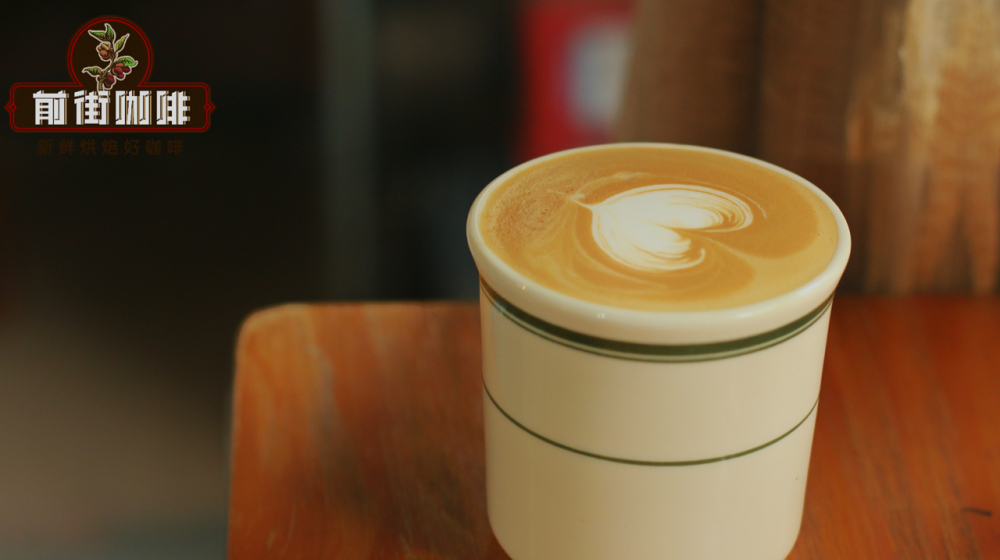
First, regarding the name “Flat White,” many coffee enthusiasts often mispronounce it. Some call it “馥鬱白” (Fùyù Bái), while others mistakenly refer to it as “澳瑞白” (Ào Ruì Bái). In fact, its official English name is “Flat White,” commonly translated into Chinese as “澳白” (Ao Bai) or “馥芮白” (Fùruì Bái). McDonald’s has also launched a similar product, naming it “澳臻白” (Ào Zhēn Bái). All these names refer to the same coffee. Just remember the original English name “Flat White” to avoid confusion. As for incorrect terms like “馥鬱白” or “澳瑞白,” they are not correct.
So, how is a flat white actually made? And how does it differ from a latte? Taking common café preparation standards as an example, a latte typically uses a ceramic cup with a capacity of about 300 milliliters. The espresso portion uses about 40 grams, paired with a combination of milk and foam totaling 260 milliliters, with the foam thickness being around 1 centimeter (the milk is filled to about seven-tenths full, and the foam expands to about five-tenths full). A flat white, on the other hand, uses a smaller glass cup with a capacity of about 220 milliliters. The espresso portion uses about 30 grams, with the total amount of milk and foam being about 190 milliliters, and the foam thickness is only about 0.5 centimeters (the milk is filled to about five-tenths full, and the foam only needs to expand to about five-and-a-half to six-tenths full). These basic parameters alone show that the coffee concentration of a flat white is significantly higher than that of a latte.
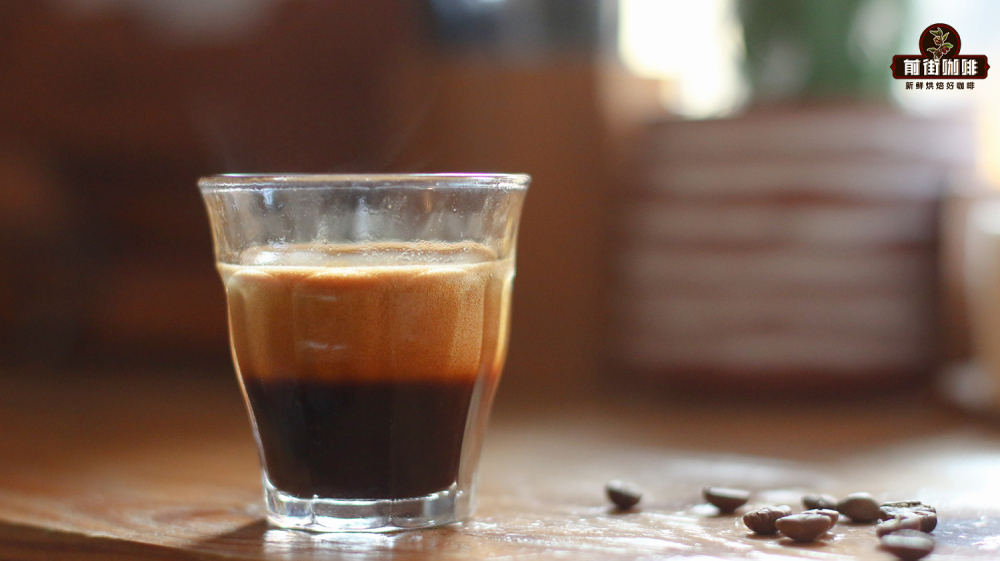
If comparing the two directly, a latte usually has a larger cup size, about 300 milliliters, making it suitable for those who prefer a milk-forward taste and a smoother overall mouthfeel. A flat white, with its smaller cup size of about 220 milliliters, has a higher coffee ratio, thinner foam, and offers a smoother texture with a more pronounced coffee flavor. The milk foam of a latte is thicker, with the surface slightly raised, whereas the foam of a flat white is relatively flatter, resulting in a more concentrated flavor. Some people joke that a latte is “coffee-flavored milk,” while a flat white is “milk-flavored coffee.” Though said in jest, it does highlight the essential difference between the two.

In addition to lattes and flat whites, there’s another coffee drink that is only served cold and is often compared — the Dirty coffee. A Dirty is a coffee beverage where cold fresh milk and hot espresso are poured directly into the same cup. Due to the temperature difference, you can experience a distinct “hot-cold contrast” when drinking it — first the intense flavor of hot coffee, followed by the cool sensation of milk — creating a layered experience that’s perfect for those who enjoy strong flavor contrasts. In contrast, the traditional flat white is only suitable as a hot drink, as adding ice will dilute the overall concentration and disrupt its delicate and balanced flavor.
If you want to make an authentic flat white at home, here are some practical extraction and ratio suggestions. First, the extraction parameters for the espresso part: pressure should be controlled at around 9 bar, water temperature between approximately 90.5–96°C, extraction time about 20–30 seconds, and the coffee-to-water ratio recommended to be between 1:1.7 and 1:2. If using a single shot of espresso, use about 12 grams of coffee grounds with an extraction yield of about 20 milliliters; for a double shot, use 20 grams of coffee grounds with an extraction yield of about 40 milliliters. These parameters ensure you extract a rich and balanced coffee base.
As for the milk, it is recommended to use whole fresh milk, such as the commonly available Vitasoy fresh milk. The steaming temperature should be controlled between 50–60°C. Too low a temperature won’t fully release the lactose aroma, while too high a temperature can damage the protein structure, leading to a grainy mouthfeel. The recommended foam thickness is about 5 millimeters, which is noticeably thinner than the 1-centimeter foam required for a latte or the 1.5-centimeter foam for a cappuccino. Finally, the recommended ratio for a flat white is: 40 milliliters of espresso, 140 milliliters of milk, totaling about 180–190 milliliters, poured into a cup with a capacity of about 220 milliliters, resulting in a smoother and more balanced overall mouthfeel.

In summary, the main differences between a flat white and a latte lie in coffee concentration, milk volume, and foam thickness. The flat white has a smaller cup size, higher coffee ratio, and thinner foam, making it ideal for those seeking a strong coffee flavor. The latte, on the other hand, is milk-forward with a softer taste, suitable for those who prefer a balanced coffee and milk flavor. Additionally, Dirty coffee, as an iced option, offers another unique coffee experience with its distinctive hot-cold contrast. We hope this detailed breakdown helps you better understand the differences between these classic coffees, and enables you to make the best choice for yourself the next time you order or brew at home.
The above content is compiled by CoffeeHunters, a coffee news website.


