








Introduction:The moka pot is a classic choice for many households and coffee enthusiasts, known for its timeless design and simple operation that delivers a rich-tasting cup of coffee. But does it really produce the same coffee as an espresso from a café? This article will delve into the origins of the moka pot, how it works, how to use it for single or multiple servings, and why it usually lacks crema—along with practical advice on grind size, water temperature, and bean selection to help you better understand this iconic brewing tool.
The moka pot is one of the icons of Italian coffee culture. With its classic octagonal aluminum body and straightforward operation, it has won the hearts of many home users and beginner coffee drinkers. Even without an expensive professional espresso machine, you can still brew a strong, flavorful cup of coffee at home using a moka pot. But does the coffee made in a moka pot really equal what we commonly understand as espresso? How much coffee does one brew make? And how should you adjust when sharing with others? This article will take you through the history of the device, how it works, brewing recommendations, and why moka pot coffee often lacks a visible crema layer, offering a comprehensive look at every aspect of this classic coffee maker.
[The History of the Moka Pot]
The moka pot was invented in 1933 in the Piedmont region of northern Italy by Alfonso Bialetti. Bialetti had worked in France’s aluminum industry for ten years before returning to his hometown and founding his own metalworking workshop, focusing on household aluminum products. According to the most widely circulated story, Bialetti’s wife got the inspiration while doing laundry: the washing machine she used generated steam pressure by heating soapy water, which then sprayed the water through a tube onto the clothes. Inspired by this mechanism, and with the help of engineer Luigi De Ponti, Bialetti successfully created a device that used a similar principle but was designed specifically for coffee extraction—the moka pot as we know it today.
[How the Moka Pot Works]
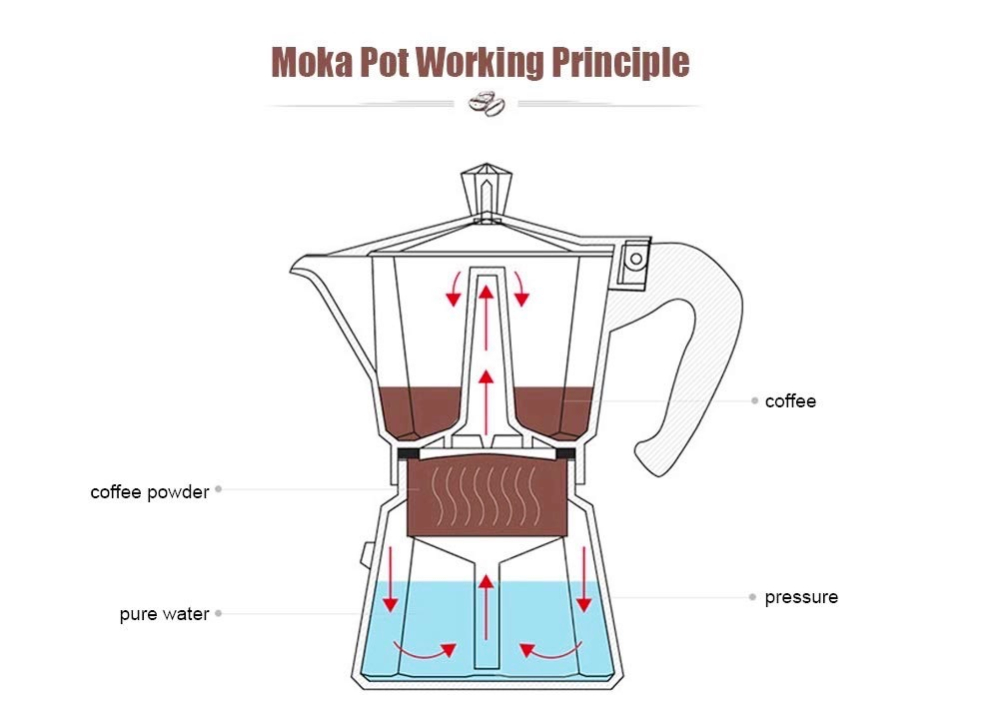
The moka pot mainly consists of three parts: the lower chamber holds the water, the middle part is a filter basket for the ground coffee, and the upper chamber collects the brewed coffee. It typically features a classic octagonal aluminum design with an insulated handle. To use it, heat the lower chamber; as the water heats up, steam pressure builds and pushes the water upward through the coffee grounds in the filter, eventually traveling up through a central tube into the upper chamber, completing the extraction. The overall principle is akin to a simple pressure-based extraction system, allowing you to easily brew coffee at home without electricity or complex machinery.
[How Is the Moka Pot Different from Espresso?]
Although the moka pot can brew a strong and flavorful coffee, it is still different from the espresso typically served in cafés. The key difference lies in the extraction pressure: modern espresso machines operate at a standard pressure of 9 bars (bar) or above, whereas a moka pot only generates about 1.5 bars of pressure—a significant difference. Additionally, the water temperature in a moka pot is usually close to 100°C(no value provided), while espresso machines maintain a water temperature between 92~96°C to preserve more flavor and avoid over-extraction. Therefore, although both may result in a bold flavor profile, the actual brewing methods and resulting details are notably different.
[Brewing Parameters and Recommendations for the Moka Pot]
Operating a moka pot may seem simple, but there are several key parameters that affect the final cup. Unlike pour over or drip brewing, it’s harder to precisely controlgrind size and coffee dosagein a moka pot. These are the most direct variables you can adjust. It’s recommended to use a grind slightly coarser than what you’d use for an espresso machine, referring to the size of the filter basket holes to ensure the coffee doesn’t seep into the lower chamber. A grind that’s too fine can lead to over-extraction, bitter flavors, and even excessive pressure causing the coffee to spray. As for the amount of coffee, just fill the filter basket and gently tap it to level the coffee bed—there’s no need to tamp it down.
When it comes to bean selection, because moka pot extraction is quite intense, it’s recommended to usemedium to dark roastcoffee beans to meet the demand for a bold flavor. For example, Brazilian beans often feature flavors such as nuts, cream, caramel, and subtle fruit notes, making them suitable for those who enjoy a fuller-bodied cup.
[Using the Moka Pot for Single or Multiple Servings]
Moka pots come in a variety of sizes, commonly including single-serving (about 1 cup), double-serving, and even multi-serving (4–9 cups) versions. A single-serving moka pot is ideal for personal enjoyment or making a strong cup of coffee; if you want to serve multiple people at once, opt for a larger size and choose a capacity based on the number of people and cup sizes. When heating, it’s best to use low to medium heat, especially for small single-serving pots—too high a flame can cause overheating, uneven extraction, or rapid release of steam pressure, all of which can negatively impact the quality of the brew.
[Why Doesn’t the Moka Pot Produce Crema?]
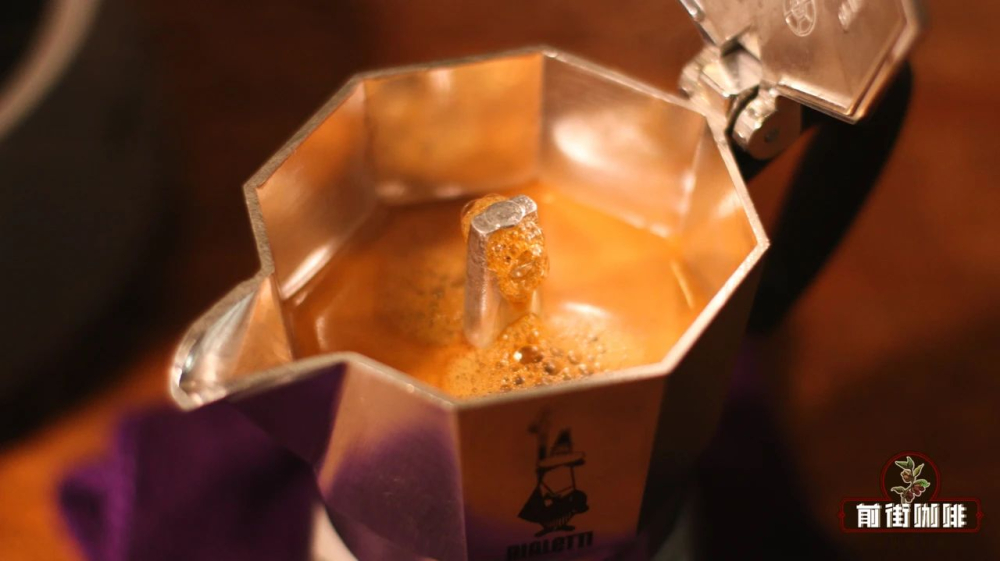
Many users hope the moka pot can produce the rich, velvety crema seen in espresso machine coffee, but are often disappointed to find the surface smooth with no “oily” sheen. This is largely due to pressure and the state of the coffee beans. The crema in espresso is primarily formed by carbon dioxide bubbles released under high pressure, encapsulating tiny coffee particles and oils. Insufficient pressure—like the 1.5 bars from a moka pot—makes it difficult to generate enough stable bubbles. In addition, the roast level and freshness of the coffee beans also greatly influence crema formation: the darker the roast and the fresher the beans, the higher the carbon dioxide content, increasing the chances of producing fine foam during extraction. However, the pressure limitations of the moka pot mean that even with fresh beans, it’s hard to achieve the thick crema layer typical of espresso machines.
To achieve the best extraction results, it’s recommended to use coffee beans roasted within30~45 daysand store them in a cool, dark place to prevent flavor loss. Even without obvious crema, freshly roasted and properly stored beans can still deliver a rich aroma and layered taste experience.
The above content is compiled by CoffeeHunters, a coffee news website.


