







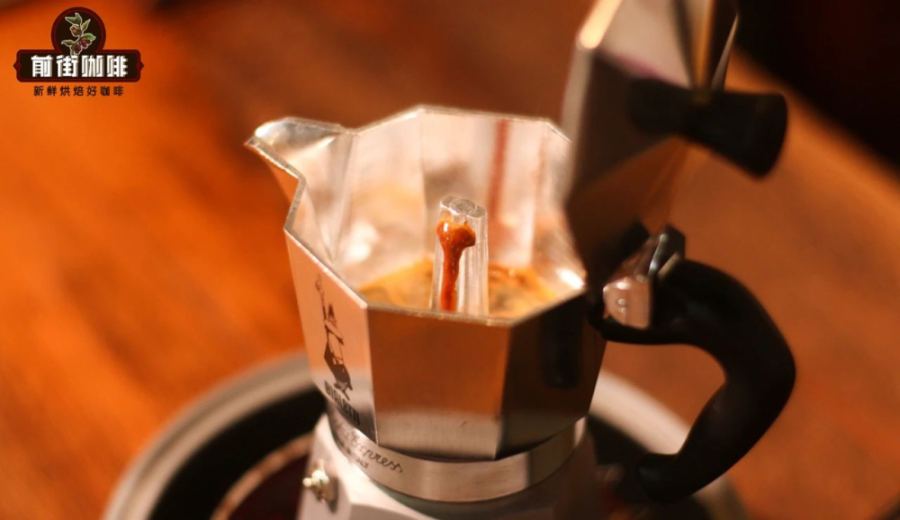
Introduction:Many coffee enthusiasts using the moka pot often find that the crema it produces is not as rich as that of espresso. This article delves into the construction and extraction principles of the moka pot, explores the conditions required for crema formation, and compares the suitability of espresso blends and single-origin beans. It also provides practical steps for making moka pot lattes along with safety tips to help you consistently brew coffee with a rich, velvety crema at home.
Thanks to its compact and user-friendly design, the moka pot has become the go-to brewing device for many home coffee lovers. It can produce bold and flavorful coffee, but many users often encounter issues with thin or weak crema when brewing at home, noticeably different from professional espresso. This article will start with the basic structure and extraction mechanism of the moka pot, explain in detail the conditions necessary for crema generation, and analyze the performance differences among various types of coffee beans.
The moka pot mainly consists of three parts: the upper chamber, the middle coffee chamber, and the lower water chamber. The lower chamber holds water, the coffee chamber is filled with finely ground coffee, and the upper chamber collects the brewed coffee. Its working principle relies on steam pressure (approximately 1.5 to 3.0 atmospheres) generated by heating the lower chamber to push hot water through the coffee grounds, thereby quickly extracting the essence of the coffee. This method results in a strong-flavored coffee with a balanced acidity and bitterness, closely resembling the output of a professional espresso machine.
However, because the pressure is lower than that of a standard espresso machine, the crema produced by a moka pot is usually less pronounced and not as stable. Many beginners are often puzzled as to why the coffee they brew lacks crema, or even shows almost none at all. This is actually closely related to factors such as the type of coffee bean, roast level, grind size, and heating method.
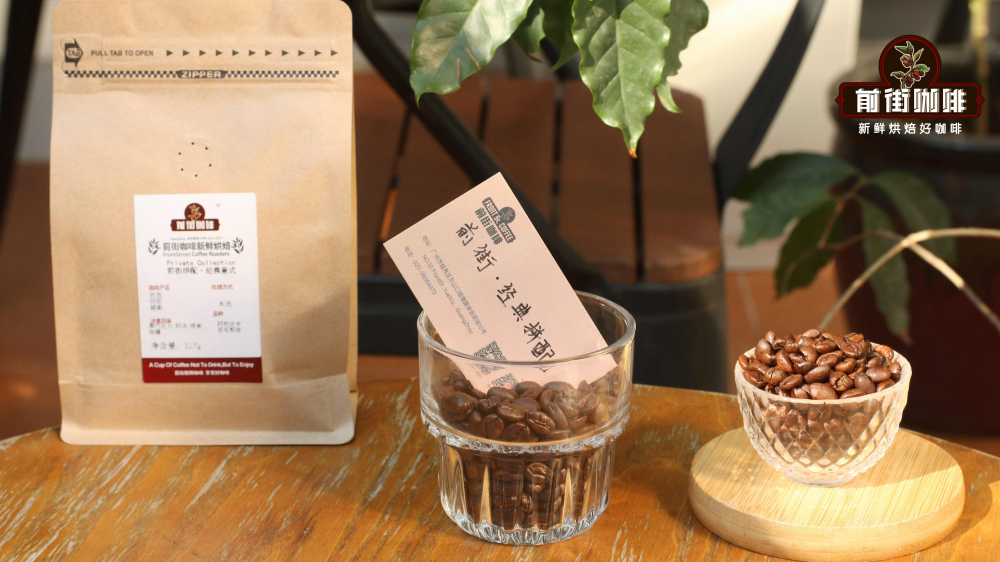
If you wish to make a rich and well-creamed latte using a moka pot, it is recommended to use a medium-dark roasted espresso blend. These beans are typically a mix of coffees from multiple regions and can release more abundant crema and aroma under medium to high temperature extraction. If you're trying it for the first time, you might consider a classic espresso blend combination—such as using Brazilian and Indonesian beans as the base, with an appropriate amount of Robusta beans added to enhance crema performance and overall body.
For those who prefer the flavor of single-origin beans, it’s recommended to choose medium-roasted single-origin beans, such as high-quality estate beans from Brazil. Although these beans may not produce as much crema as blends, they can still showcase unique regional flavors and delicate textures under proper extraction parameters.
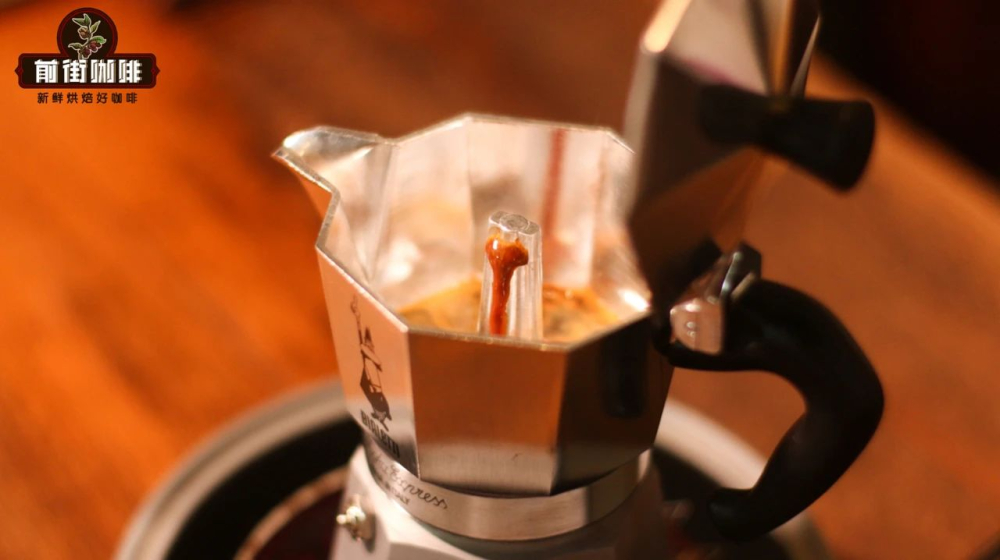
Below are practical steps for making a latte with a moka pot, helping you consistently brew coffee with crema at home:
1. First, disassemble the moka pot and confirm that it consists of the upper chamber, the coffee chamber, and the lower chamber.
2. Add water to the lower chamber, keeping the water level below the safety valve—never exceed this point.
3. Grind the coffee beans to a fineness close to that of espresso, ensuring the grounds are uniform and do not fall through the gaps in the coffee chamber.
4. Fill the coffee chamber with the ground coffee, gently level the surface, and avoid tamping.
5. Attach the coffee chamber to the lower chamber, ensuring a tight seal.
6. Finally, attach the upper chamber and screw it on securely to prevent steam leakage during heating.
7. Place the moka pot on a gas stove, using low heat. You may place a wire mesh on the stovetop to increase stability.
8. When you hear a distinct hissing sound caused by steam inside the pot, turn off the heat to avoid over-extraction.
9. Once the coffee has completely flowed into the upper chamber, you can pour it into a cup and combine it with hot milk to make a latte.
When operating a moka pot, there are several common precautions to pay special attention to:
First, the water level in the lower chamber must never exceed the safety valve, as this could lead to abnormal pressure or safety hazards. Second, never touch the moka pot directly while it is heating to avoid burns from the high temperature. Additionally, if you notice the coffee erupting out of the pot, it usually indicates the water is too hot, and you should immediately reduce the flame; conversely, if the coffee flows out too slowly, the water may be insufficiently heated, and you can moderately increase the flame. Lastly, since the moka pot is a pressure-based extraction device, it is essential to carefully control the heat throughout the entire process to ensure both safety and extraction quality.

Many users report that the crema produced by moka pot extraction often dissipates quickly over time, which is related to its relatively low pressure. Although the moka pot can still extract some crema due to pressure, the pressure is insufficient to stabilize and preserve the crema for long, causing the surface oils to oxidize or disappear rapidly. Therefore, it is recommended to enjoy your coffee shortly after brewing to experience the best flavor and texture.
The above content is compiled by CoffeeHunters, a coffee news website.


