








Introduction:Want to brew richly flavored espresso with a moka pot? This article delves into the construction principles and correct usage of the moka pot, guiding you step-by-step through the process from heating the lower chamber, forming steam pressure, to extracting the coffee liquid. It also recommends several types of coffee beans suitable for use with the moka pot, including medium-to-dark roasted Brazilian, Colombian, Mandheling, and Yunnan beans, allowing you to enjoy a full-bodied, crema-rich coffee experience at home.
The moka pot is the go-to tool for many coffee enthusiasts who want to make strong coffee at home. Originating from Italy, it has become a classic among home coffee brewers thanks to its simple operation and rich extraction effect. It uses the steam pressure generated by heating to push hot water through finely ground coffee, thereby extracting a flavor similar to that of espresso. From its structural design to actual operation, every aspect affects the final extraction quality and coffee flavor performance.

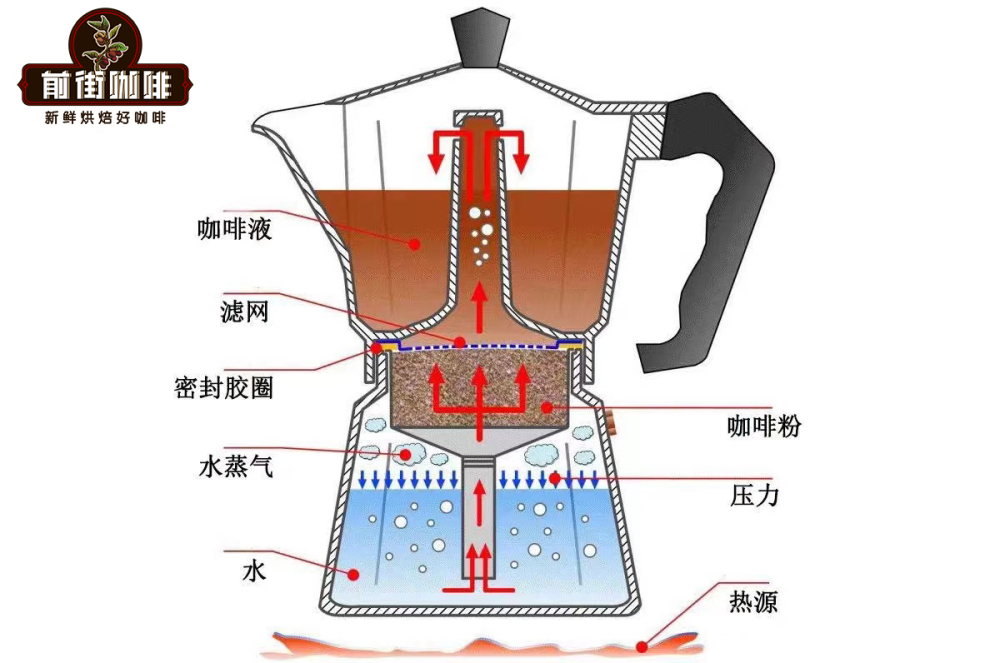
The moka pot mainly consists of three parts: the lower chamber, the filter basket, and the upper chamber. The lower chamber holds water, the filter basket contains finely ground coffee, and the upper chamber collects the extracted coffee liquid. When the lower chamber is heated, the water inside turns into steam, creating enough pressure to push the hot water up through the coffee grounds, eventually collecting in the upper chamber. This extraction mechanism allows the moka pot to produce a strong, espresso-like taste without the need for expensive equipment.
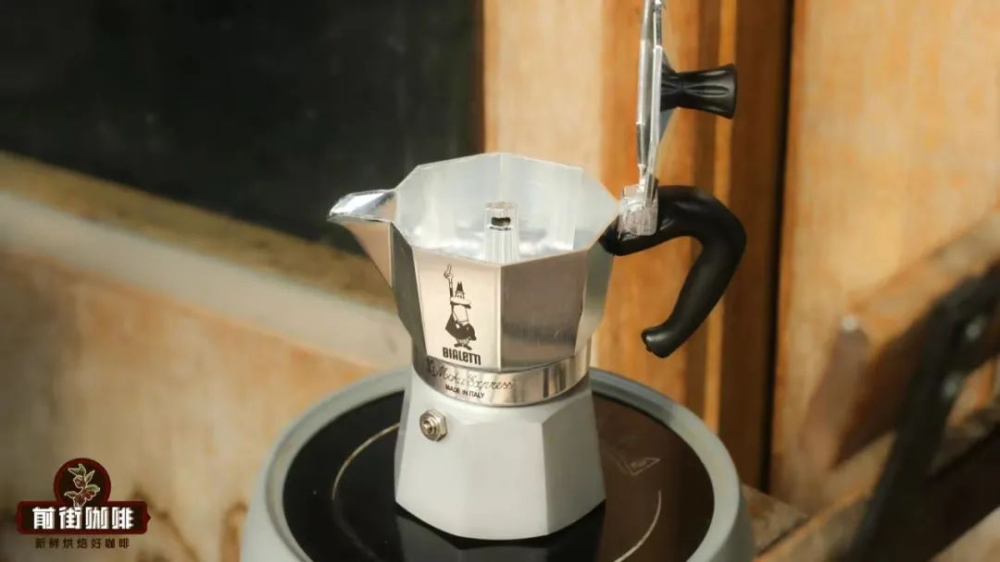
If you want to try it yourself at home, you only need a moka pot, a heat source (such as a gas stove or induction cooker), suitable coffee beans, and a grinder. These basic tools are all you need to start your moka pot coffee journey. During operation, pay attention to water level control, grind size, and extraction time to avoid over-extraction or under-extraction, which can affect the balance of coffee flavors.
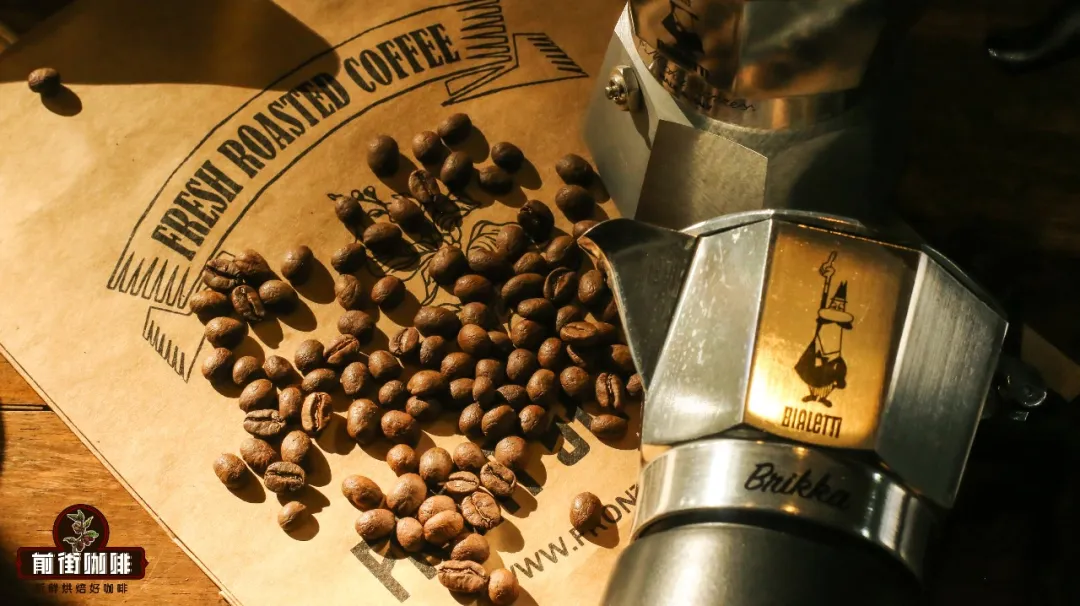
First, in terms of coffee bean selection, it is recommended to use medium-to-dark roasted beans. These beans, due to their darker roast, can withstand the high-pressure extraction of the moka pot while showcasing a rich, full-bodied taste and aroma. Too light a roast may result in insufficient flavor or uneven extraction. Common medium-to-dark roasted beans have notes of nuts, chocolate, and caramel, making them suitable for users seeking a strong flavor.
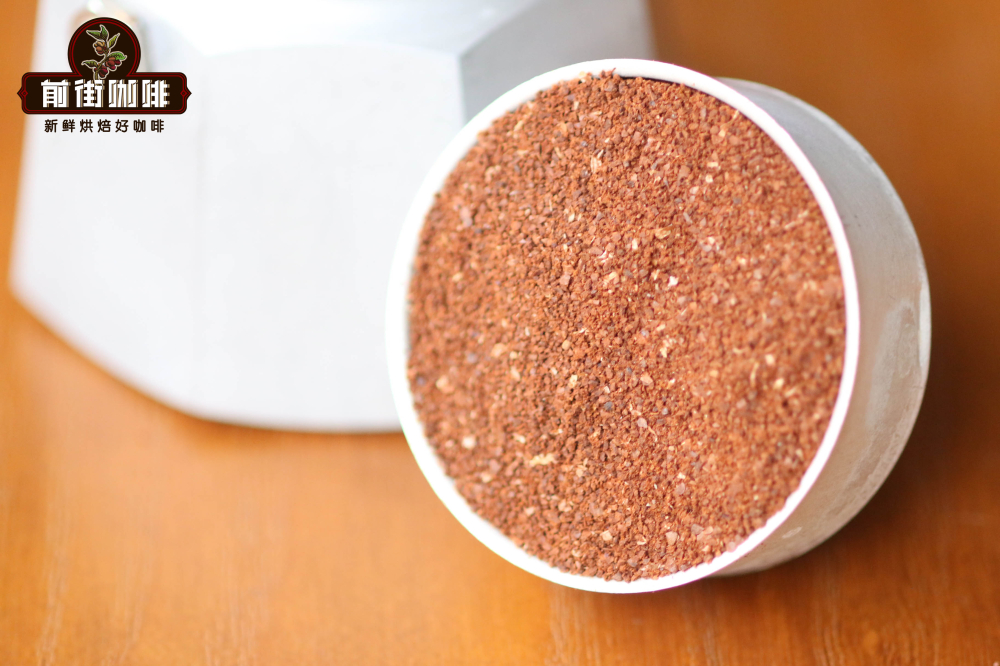
The specific steps are as follows: First, pour water into the lower chamber, keeping the water level about 0.5 cm below the safety valve to prevent boiling water from overflowing into the filter basket. Next, place the coffee grounds into the filter basket. It is recommended to use a grind slightly coarser than espresso, roughly the same as the gap in the filter basket’s mesh. This prevents fine grounds from falling into the lower chamber, which could affect the extraction flow rate and flavor. After adding the coffee grounds, gently tap the filter basket to level the coffee bed, then scrape the surface flat using a distribution method to ensure even density, which helps stabilize the extraction.
Place the filter basket filled with coffee grounds into the lower chamber, securely tighten both chambers, and then place the moka pot on the heat source over high heat. When you hear a distinct “wuu wuu” sound, it indicates that sufficient pressure has built up inside the pot. At this point, reduce the heat and open the upper chamber lid to observe the extraction. When about half of the coffee liquid has flowed out, you can turn off the heat and let the remaining heat and pressure fully push the coffee into the upper chamber.
Once all the coffee liquid has entered the upper chamber, you can pour and enjoy it. The coffee brewed this way is usually rich and sometimes even has a crema, similar to the performance of espresso. If desired, you can also add water or milk to adjust the concentration and flavor, creating a personalized coffee experience. Note that the oily layer on the surface of the coffee is actually a collection of carbon dioxide bubbles. The darker the roast, the more gas is released, helping to form a rich foam layer.
When it comes to choosing coffee beans, you can select suitable beans based on origin and flavor characteristics. Coffee from Latin American regions generally exhibits notes of nuts, cocoa, and caramel, with a balanced and full-bodied taste, making it suitable for users who prefer stable flavors. For example, Brazilian and Colombian coffee beans, known for their nutty-chocolate and soft fruity acidity profiles, are classic pairings for the moka pot.
On the other hand, coffee from Asia, such as Mandheling from Indonesia and small-bean varieties from the Yunnan region, often presents rich flavors of spices, herbs, and dark chocolate when medium-to-dark roasted, showcasing unique regional characteristics. These beans, with their intense and layered flavors, also pair perfectly with the high-pressure extraction of the moka pot, delivering a deep and full-bodied taste experience.

The above content is compiled by CoffeeHunters, a coffee news website.


