








Introduction:For beginners who are just getting into coffee, facing a dazzling array of coffee options can often be overwhelming. This article will systematically introduce you to over ten common types of coffee drinks—from espresso to Viennese coffee—including their preparation methods, ingredients, and flavor profiles. It will help you quickly find the type of coffee that suits your personal taste preferences. It also includes practical details on brewing and tasting to help you build your own coffee flavor map.
Many people who have just started drinking coffee can often only detect basic flavors like bitterness or milkiness. But as experience grows, they gradually begin to discern more nuanced flavors such as nuts, caramel, and floral notes, and may even go further to guess the origin and harvest season of the beans. Faced with the wide variety of choices on a café menu, how do you pick a coffee that suits your taste? This article will take an in-depth look at over ten common types of coffee, from espresso to Viennese coffee, analyzing their ingredients, preparation methods, and taste characteristics so you can quickly zero in on your favorite type based on your preferences.
Espresso (Espresso) It is the base for many coffee drinks, made by extracting a concentrated coffee liquid under high pressure, usually taking about 25 to 30 seconds with an extraction volume of around 30 milliliters. This type of coffee has a strong, intense flavor with a pronounced bitterness, but it also showcases the most authentic taste of coffee. Newcomers might find it too intense, but it’s an important starting point for understanding coffee flavors.
Espresso Macchiato (Espresso Macchiato) It is made by adding a small amount of milk foam on top of an espresso, creating a light white mark (the word “macchiato” means “stained” or “spotted”). This layer of milk foam not only adds visual dimension but also slightly softens the intense flavor of the espresso. It’s a great choice for those who enjoy coffee but don’t want it to be overly bitter.
Americano (Americano) It is made by diluting espresso with hot water. The method is simple—you can use a drip coffee maker, French press, or simply add a lot of hot water directly to the espresso. Compared to espresso, Americano has a lighter and more refreshing taste, but the total caffeine content is often higher, making it suitable for when you need a pick-me-up. When brewing, it’s recommended to control the water temperature between 90–96°C to fully bring out the aroma of the coffee.
Flat White (Flat White) Originating from Malaysia and Singapore, although called “white,” it actually still presents the natural color of coffee. It uses extremely finely ground coffee beans and steamed milk with a delicate texture. The ratio of coffee to milk is close to 1:3, resulting in a smooth texture and soft aroma that doesn’t irritate the stomach. It’s a popular choice for many coffee beginners.
Caffè Latte (Latte) It involves pouring steamed milk into a shot of espresso, usually in a ratio of 1:3 to 1:5. The relatively high proportion of milk gives it a mild and creamy flavor. The milk temperature is recommended to be kept between 60–65°C, as overheating can damage the aroma and texture of the milk.
Espresso Con Panna (Con Panna) It consists of an espresso topped with a dollop of fresh whipped cream, commonly found in Italian cafés. This coffee highlights the contrast between the espresso and the cream. Some connoisseurs suggest eating a piece of chocolate or a caramel candy before drinking the coffee, allowing different flavors to intertwine in the mouth for a richer experience.
Cafe Breve (Breve) It is a blend of espresso with half milk and half fresh cream. It usually has less foam, with a flavor that falls between a latte and a cappuccino. Its taste is richer and has a silky cream aroma. This drink is especially popular in the southern United States.
Cappuccino (Cappuccino) Its traditional ratio is 1:1:1—equal parts espresso, steamed milk, and milk foam. Depending on the amount of foam, it can be divided into a “dry cappuccino” (more foam, less milk) and a “wet cappuccino” (less foam, more milk). The former highlights the coffee flavor more, while the latter offers a smoother and gentler milk taste, suitable for those who prefer milder flavors.
Caffè Mocha (Mocha) It is a classic coffee that combines espresso, chocolate syrup, milk, and fresh whipped cream, and is also considered the chocolate version of a latte. This coffee offers a blend of coffee aroma, cocoa, and milk, making it a favorite among many dessert lovers.
Caramel Macchiato (Caramel Macchiato) It is made by layering vanilla syrup, hot milk, espresso, and caramel sauce, resulting in a distinct layered taste. From sweet to bitter to rich coffee flavor, one cup offers multiple taste experiences, making it a top choice for many female consumers.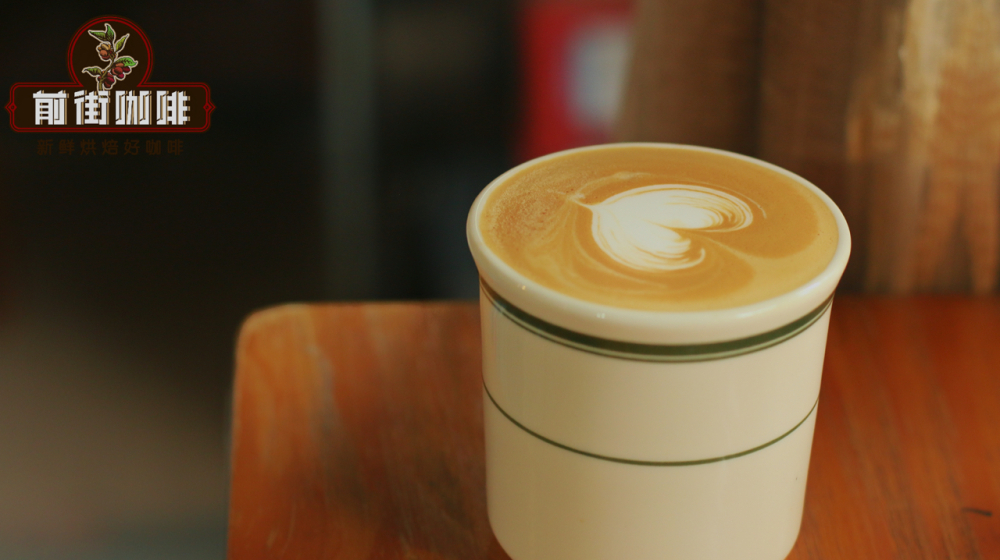
Irish Coffee (Irish Coffee) It is a specialty coffee that combines hot coffee, Irish whiskey, sugar, and fresh whipped cream. The addition of alcohol gives it a warmer flavor with a slight hint of intoxication, making it suitable for winter or when you need something to warm you up.
Viennese Coffee (Viennese Coffee) It is one of Austria’s classic coffees. It is made by first placing fine sugar or rock sugar in the cup, then pouring hot strong coffee, and finally topping it with a thick layer of fresh whipped cream. This coffee is bittersweet with a balanced aroma of milk and coffee, and is a classic signature drink in many European cafés.
Whether you’re just beginning to explore the world of coffee or want to understand more about the characteristics of various types, these common coffee drinks offer a range of flavor experiences. From strong espressos to milky lattes, each type of coffee has its own unique charm. It’s recommended to try them step by step according to your personal preferences to find the one that suits your taste best.
The above content is compiled by CoffeeHunters, a coffee news website.


