








Introduction:Cold brew coffee, beloved in the summer for its smooth, sweet flavors extracted at low temperatures, is highly favored. This article delves into the key brewing parameters of the two cold brew methods — cold immersion and cold drip — including coffee-to-water ratio, grind size settings, extraction time, and suitable beans. It also provides detailed step-by-step instructions and practical tips to help you master precise cold brew techniques and craft your ideal flavor profile.
On hot summer days, a refreshing and flavorful cold brew coffee is the go-to choice for many coffee enthusiasts. Owing to its characteristic of long extraction at low temperatures, cold brew (Cold Brew) offers a smoother, lower-acid cup with subtle sweetness, vastly different from traditionally hot-brewed coffee. Moreover, cold brew can be divided into two main forms: cold immersion (Cold Immersion) and cold drip (Cold Drip), both of which differ significantly in equipment, method, and extraction efficiency.
Based on hands-on experience, this article will provide a comprehensive guide to the entire production process of cold immersion and cold drip coffee, covering such aspects as:Coffee-to-water ratio of 1:10, suitablegrind size(Chinese standard No. 20 sieve),refrigerated extraction time, as well as the six-step operation method for cold drip coffee. Additionally, it will analyze bean varieties ideal for cold brew — such as Kenya Asaliya — examining how their variety and processing methods influence flavor, helping you gain an in-depth understanding and successfully brew high-quality cold brew coffee.

Cold Immersion Coffee: Simple and Beginner-Friendly, Ideal for Daily Home Brewing
Cold immersion coffee refers to an extraction method where coffee grounds are steeped in cold water for an extended period, allowing flavor compounds to slowly release. This approach requires no expensive equipment—just a glass container and basic tools—making it a top choice for many novice brewers exploring cold brew.
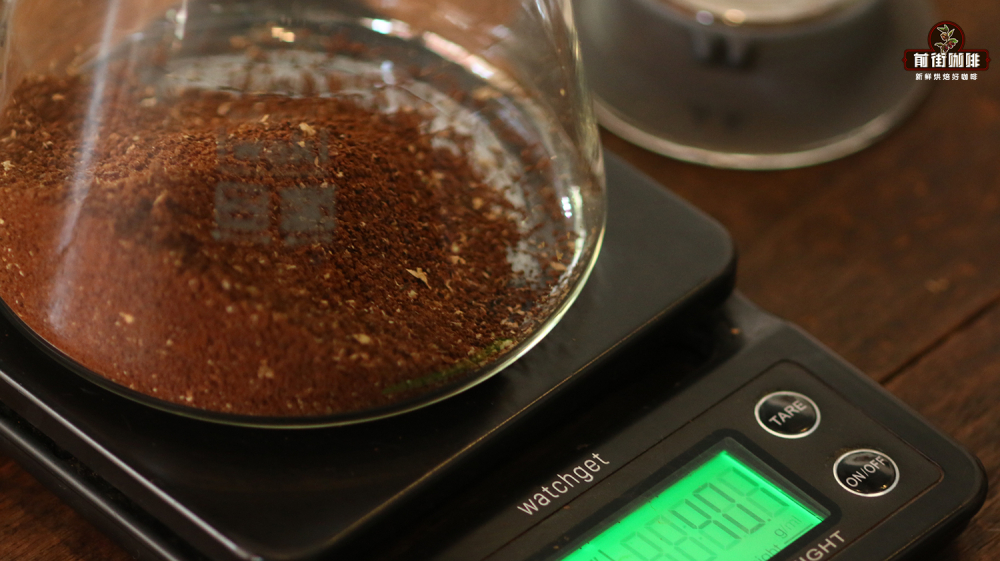
Taking practical experience as an example, it is recommended to use50 grams of coffee grounds with 500 grams of cold water, which equates to a1:10 coffee-to-water ratio. This ratio balances strength and drinkability, and allows easy adjustment to taste by adding water or ice. For grind size, although the water temperature is low, because it’s a long steeping process, it is advised to choose a grind slightly coarser than typical pour over — aroundChinese standard No. 20 sieve, with about 65% extraction rate— to avoid over-extraction that could lead to off-flavors or excessive bitterness.
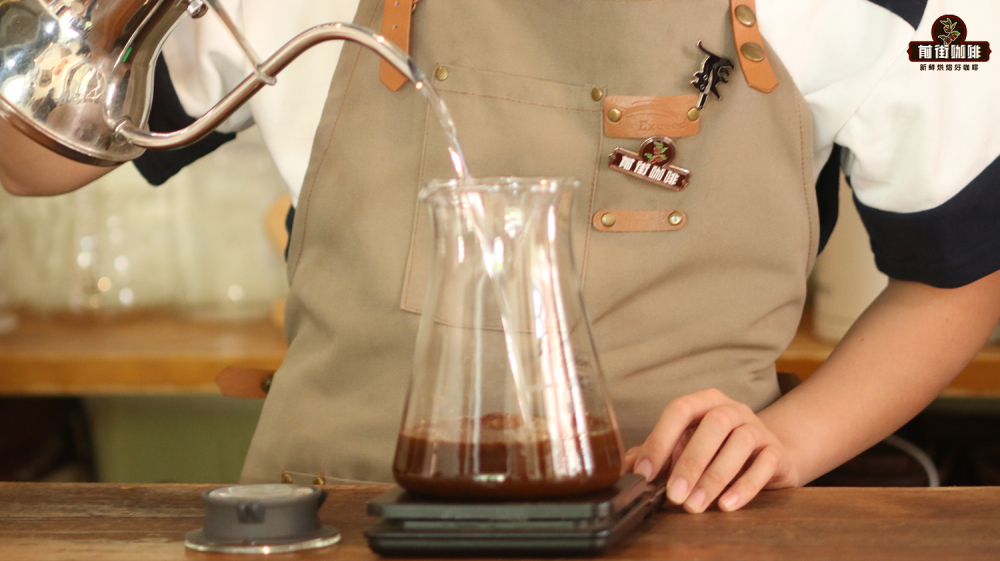
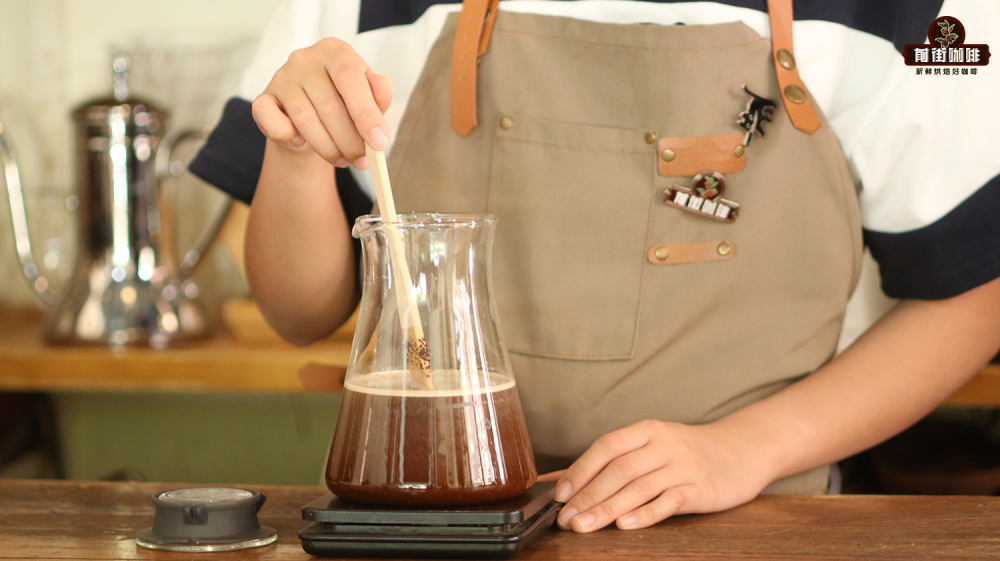
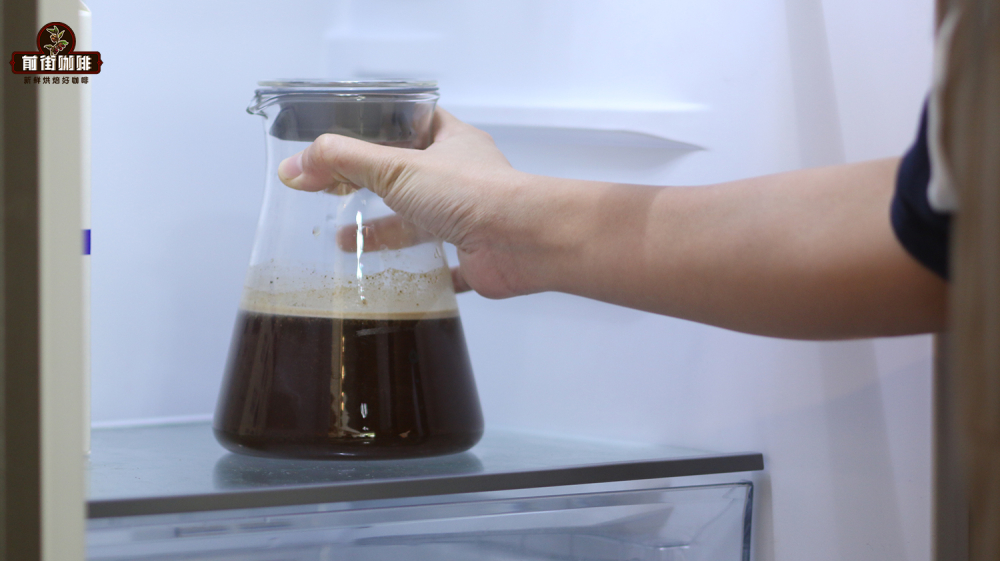
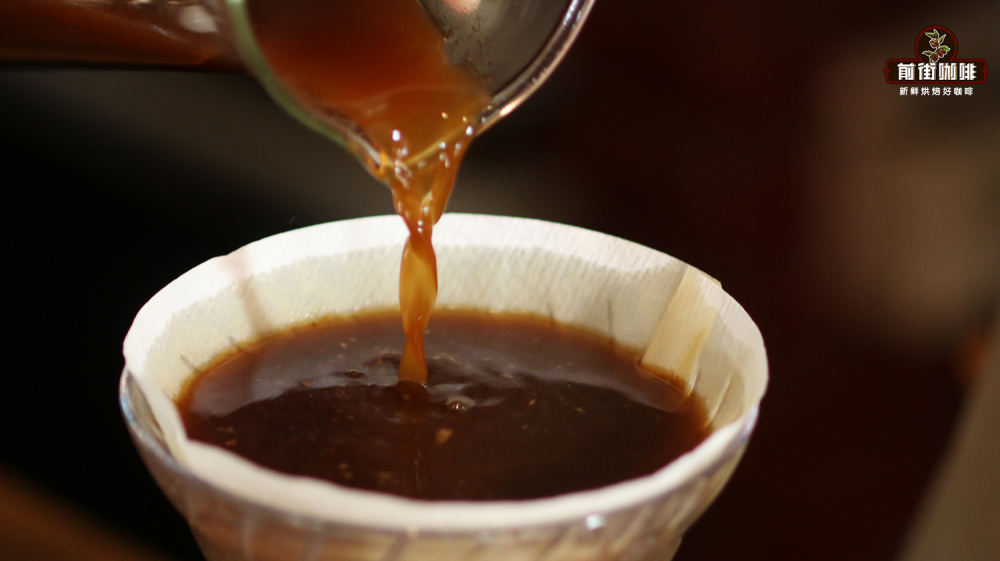
Place the coffee grounds in a glass bottle, add cold water, and stir thoroughly to ensure every coffee particle is in contact with water. Then seal and refrigerate. It is recommended to steep for12 to 24 hours. The longer the steeping time, the more intense the flavor, but it may also bring out excessive fermentation notes or sediment. After steeping, filter out the coffee grounds using filter paper, transfer the filtered coffee liquid into a bottle, and refrigerate for several more hours to allow flavors to meld before serving.
Practical testing shows that steeping duration has a significant impact on the final flavor: the longer the time, the more pronounced the acidity, sweetness, and bitterness, and the higher the concentration; shorter times yield a lighter flavor. Therefore, it’s suggested to fine-tune the time and coffee-to-water ratio based on personal preference to find your ideal flavor balance.
Cold Drip Coffee: Meticulously Slow-Brewed with Rich Flavor Layers
Originating in Europe, cold drip coffee was popularized in Japan and Korea, becoming a hallmark of the pursuit of ultra-slow, refined extraction. Its most distinctive feature is the extremely slow and stable dripping of ice water drop by drop onto coffee grounds, resulting in a very gradual extraction process that typically takes6 to 8 hours, with a strong emphasis on equipment and operational details.
Using a practical recipe as an example, it is recommended to use60 grams of coffee grounds with 600 grams of ice water, also maintaining a1:10 coffee-to-water ratio, along with amedium-coarse grind passing through a No. 20 sieve at approximately 85% extraction rate, suited to the characteristics of low water temperature and slow extraction.
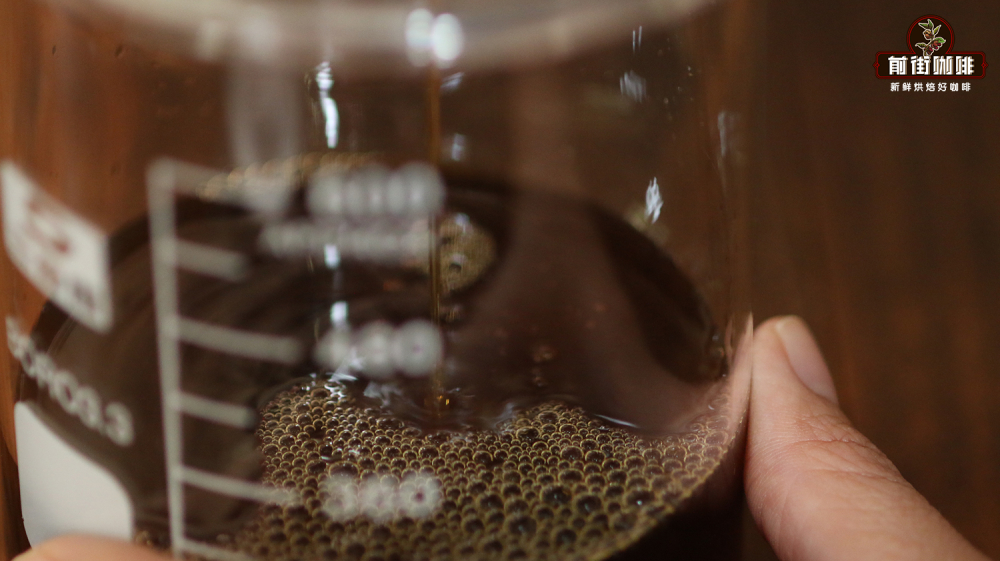
The operation can be broken down into the following six main steps: First, place a round filter paper at the bottom of the coffee chamber and wet it to adhere; next, add the ground coffee, gently level the surface, and evenly press it down with an appropriate weight (such as a filter cup or glass); then cover the coffee grounds with another filter paper to prevent uneven dripping caused by surface depressions. Afterward, lightly moisten the entire coffee layer with ice water to simulate the blooming stage, which helps enhance initial flavor release. Then, mix ice water and cold water in a 1:1 ratio, pour it into the water reservoir, and adjust the drip rate to7 drops per 10 secondsto ensure stable and even extraction. Finally, transfer the finished coffee liquid into a sealed bottle and refrigerate to allow further flavor integration and maturation.
Recommended Coffee Beans for Cold Brew: Kenya Asaliya
Not all coffee beans are suitable for cold brew, especially when pursuing a bright and clean flavor profile. In such cases, bean variety and processing method play key roles. Here we recommend a particularly suitable bean — Kenya Asaliya, grown in the Thika region at an altitude of about1550–1750 meters, with the renowned local varietiesSL28 and SL34, processed using theK72 washed method.
SL28 and SL34 are classic high-grade Kenyan varieties known for their bright acidity and complex aroma profiles. SL28 tends to have a livelier acidity with citrus and berry notes, while SL34 offers a gentler acidity and better overall balance. The K72 washed process is characterized by three stages of 24-hour fermentation each, totaling72 hours of extended fermentation, which enhances the coffee’s cleanliness and unique layered flavors.
Cold brew made from this bean variety, especially the cold drip version, often exhibits a crisp fruit acidity paired with refreshing aromas reminiscent of cherry tomatoes and grapefruit. The overall flavor is clean and bright, making it highly enjoyable in the hot summer months and delivering a juice-like refreshing experience.
The above content is compiled by CoffeeHunters, a coffee news website.


