







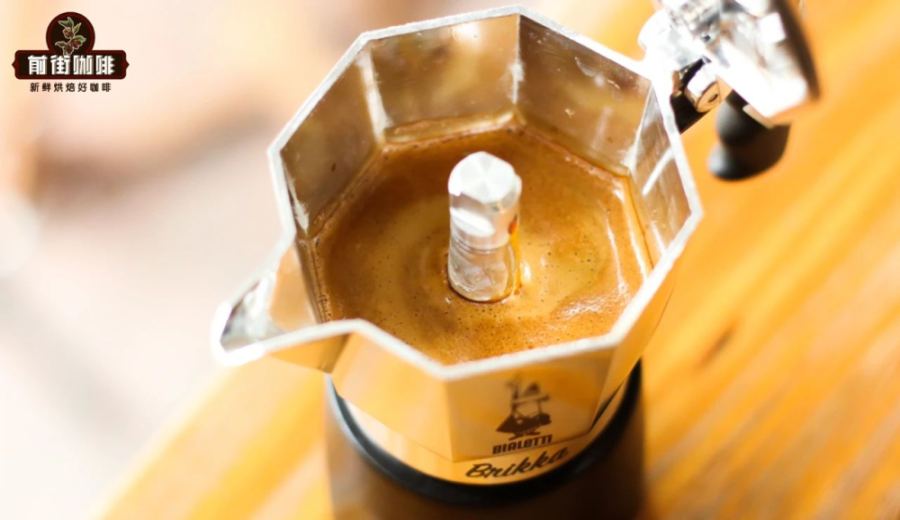
Introduction:Don’t have an expensive espresso machine at home but still want to enjoy a rich, bold cup of coffee? A moka pot is an economical and practical choice for home brewing. Through a simple pressurized brewing process, it can extract a coffee base with flavors close to espresso, making it ideal for making Americano or latte. However, to truly unlock the potential of a moka pot, the key lies in choosing the right coffee beans. This article will explain in detail how to select suitable beans based on roast level, flavor characteristics, and freshness, along with practical tips to help you easily brew a cup full of vibrant flavors.
For those who love strong coffee but don’t own a professional espresso machine, the moka pot is a highly cost-effective option. While it can’t fully replicate the high pressure and rich crema of commercial machines, its simple pressurized extraction mechanism still allows you to brew a concentrated coffee base with bold flavors. Just combine hot water with the right coffee beans, and you can enjoy an espresso-like experience at home. Then, simply add water or milk according to your preference to easily turn it into an Americano or latte.
However, many people using a moka pot often overlook the critical impact that coffee bean selection has on the final flavor. In fact, the pressurized extraction of a moka pot amplifies the inherent characteristics of the coffee beans—both the good and the bad become more pronounced. Therefore, choosing the right beans is the first step to achieving the moka pot’s best performance.
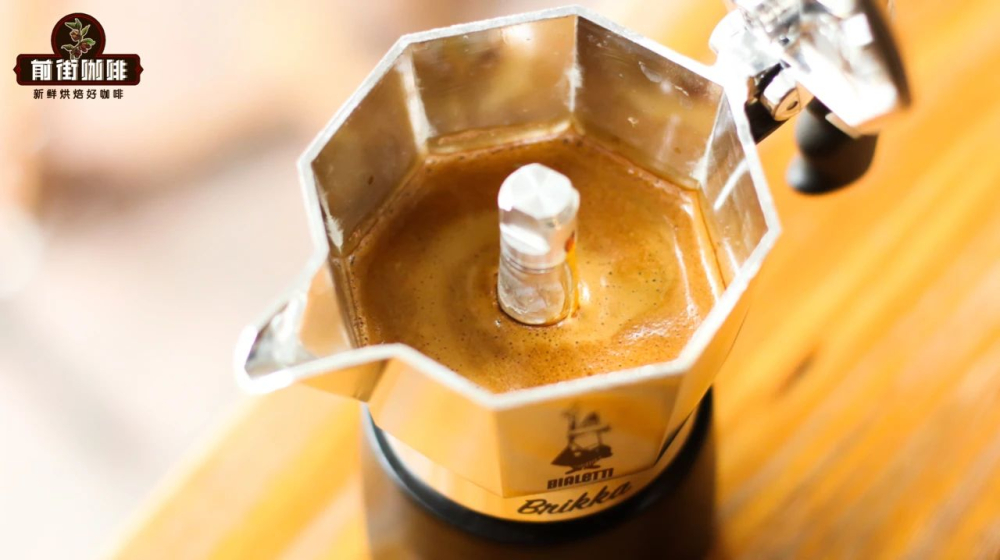
Due to the relatively high pressure and water temperature when using a moka pot, light roasted coffee beans are usually not the best choice. These beans often have prominent acidity and less body, and when brewed with a moka pot, they can easily result in unbalanced flavors—especially after adding water or milk, the acidity may become even more pronounced. Therefore, it’s recommended that beginners start with medium-dark or dark roasted beans, which typically offer richer flavors, lower acidity, and complement the extraction characteristics of the moka pot.
If you prefer a cleaner yet still layered medium roast, you can opt for single-origin beans with notes of nuts and cocoa. These beans usually have a balanced, gentle acidity and sweetness, making them suitable for users who enjoy natural flavors without overly intense taste. For example, some coffee beans from South America often feature caramel, nutty, and subtle sweetness, bringing a smooth and layered drinking experience when brewed with a moka pot.
If you’re craving a bolder, more intense coffee experience, it’s recommended to choose dark roasted beans. These coffees typically exhibit strong smoky, spicy notes, and may even carry a hint of woody tones, which pair well with the high-pressure extraction of a moka pot, unlocking deep flavor profiles. For instance, some coffee beans from Indonesian regions often have rich herbal and earthy aromas, perfect for coffee lovers who enjoy strong flavors.
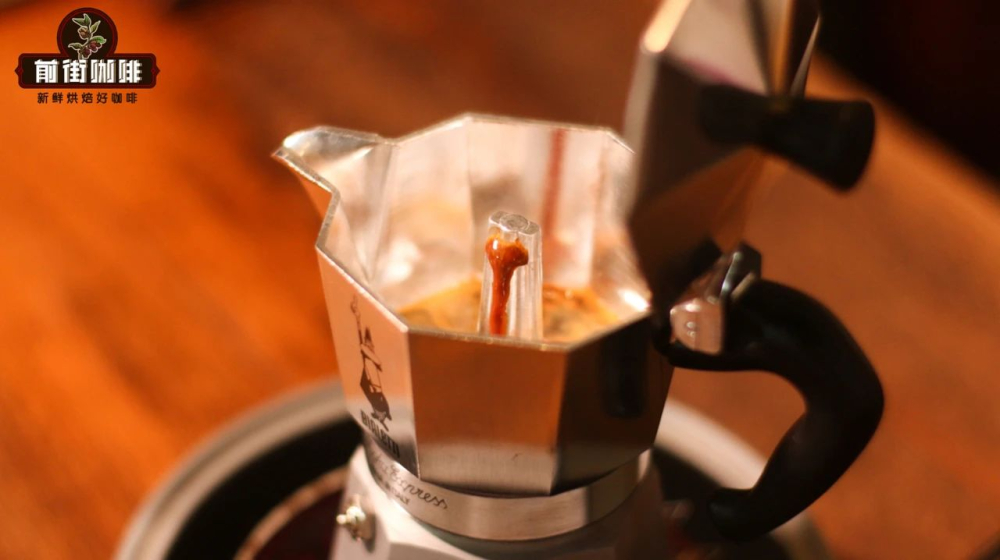
To add more flavor diversity, you might try blends with fermented fruit or floral characteristics. These beans can bring brightness and layered complexity to the overall flavor, creating an interesting contrast with the bold base of moka pot brews. For example, certain blends combining beans from Central and South America with African origins can deliver berry, citrus, or floral notes within a rich profile, adding a delightful surprise to your daily coffee routine.
No matter which type of coffee bean you choose, freshness is a crucial factor affecting the final flavor. The moka pot is very sensitive to the freshness of coffee beans. Once the beans have been stored for too long, their aroma and flavor compounds will significantly diminish, and no matter how precise your technique is, it will be difficult to extract a satisfying cup. Therefore, it’s recommended to prioritize brands with clearly marked roast dates and to choose products that have been shipped shortly after roasting whenever possible.
The most straightforward way to judge the freshness of coffee beans is by smelling them. After opening the package, take a close sniff of the beans or freshly ground coffee powder. If they emit a bright and pleasant aroma, it usually means the beans are still at their peak freshness. On the contrary, if the aroma is weak or if there’s a greasy or rancid smell, it’s likely that the beans are past their optimal drinking window. The greasy smell referred to here is an olfactory sense of staleness, not a visual oily appearance—so be sure to distinguish carefully.
In summary, although the moka pot is simple, it can produce surprisingly rich coffee through proper bean selection and careful operation. Whether you’re a beginner or a home brewing enthusiast looking to innovate, mastering the basic principles of bean selection and brewing will allow you to enjoy a high-quality coffee experience—even without professional equipment.
The above content is compiled by CoffeeHunters, a coffee news website.


