







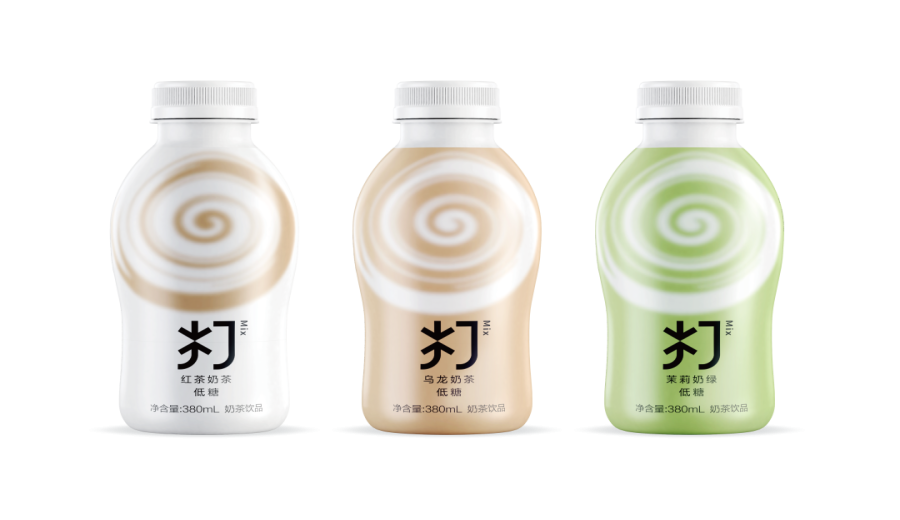
Introduction:After an eight-year hiatus, Nongfu Spring has once again launched its bottled milk tea series "Da Nai Cha" (lit. "Punch Milk Tea"), this time featuring three flavors: jasmine, black tea, and oolong. The brand emphasizes "0 added milk powder, 0 added tea powder, and 0 added flavoring," and uses concentrated milk in its production. How is the 380ml pack priced? Can this new product break through in the billion-dollar ready-to-drink milk tea market? This article takes you in-depth into the product features and market prospects.
Nongfu Spring recently announced its return to the bottled milk tea market with the new "Da Nai Cha" series, debuting three flavors at once: jasmine, black tea, and oolong, each with a net content of 380 milliliters. This comeback not only diversifies the flavors but also highlights three major selling points: "0 added milk powder, 0 added tea powder, and 0 added flavoring," aiming to attract consumers who prioritize natural and healthy beverages.
According to official information, the new series of milk tea uses concentrated milk produced through pasteurization and membrane treatment technologies, with no milk powder used at all. The entire process employs cold-chain storage and transportation to ensure a fresh taste. The milk source boasts 100% fresh milk, further reinforcing the product’s natural image.
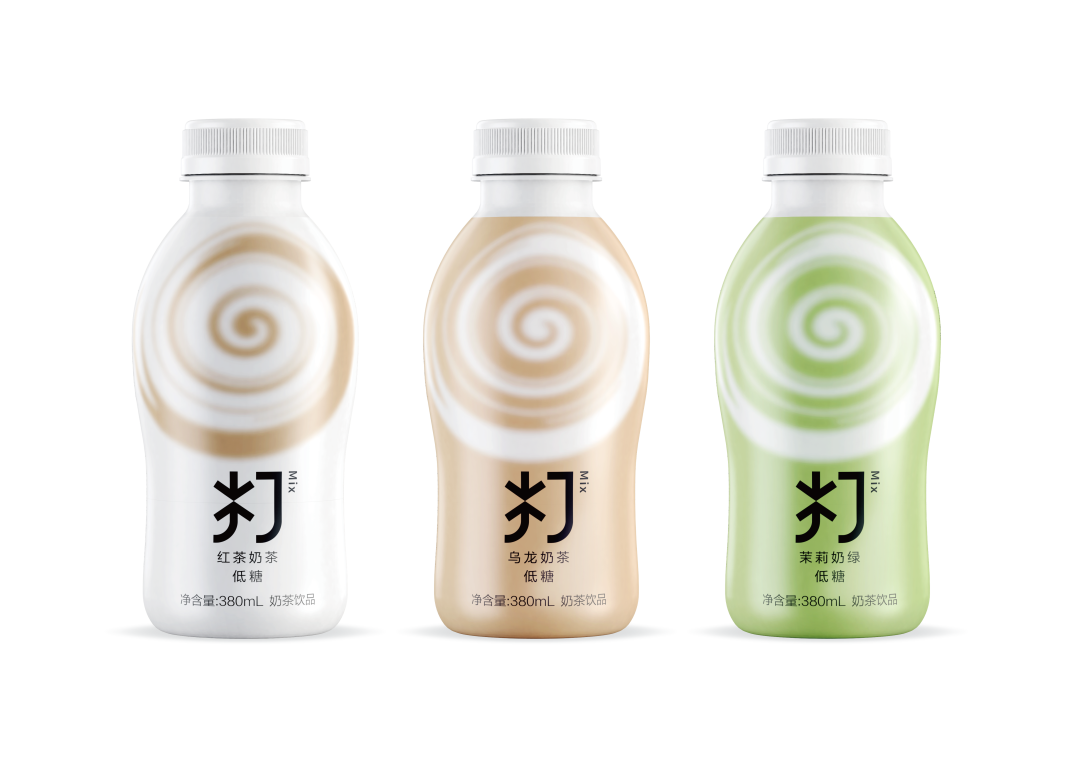
In terms of tea selection, Nongfu Spring carefully chose from a variety of teas and ultimately selected high-quality black tea, oolong tea, and jasmine green tea. Using an original leaf extraction process, the production avoids adding tea powder or flavoring, delivering a purer tea aroma to consumers.
In terms of pricing, according to pre-sale information on Nongfu Spring’s JD official store, a set of 15 bottles of the "Da Nai Cha" series is priced at 135 yuan, averaging about 9 yuan per bottle. It is positioned at a mid-range price point, comparable to many other ready-to-drink milk teas on the market.
This new series also promotes a low-sugar formula and emphasizes that it contains no trans fats, non-dairy creamer, or preservatives, catering to modern consumers’ growing emphasis on healthy drinks. However, whether these health appeals can translate into actual sales remains to be tested by the market.
It’s worth mentioning that this is not Nongfu Spring’s first attempt at the bottled milk tea market. As early as the end of 2013, the brand launched a matcha-flavored Da Nai Cha with a design resembling a tumbler, with a capacity of 320 grams at the time. However, it received a poor market response and was eventually withdrawn. Now, eight years later, Nongfu Spring has chosen to re-enter the market, and the reasons behind this move are intriguing.
According to data from the "2020 New Tea Beverage White Paper," China’s milk tea market has exceeded one hundred billion yuan, showing tremendous consumer potential. Currently, the market is mainly divided into three categories: street-style milk tea, instant milk tea, and ready-to-drink milk tea. Among them, street-style milk tea is the most popular, while the ready-to-drink milk tea market is dominated by traditional brands such as Wahaha and Yili, though there is still no absolute market leader.
In recent years, emerging brands such as Genki Forest and HanKou No.2 Factory have also successively entered the ready-to-drink milk tea arena, launching innovative products targeted at younger audiences. Nongfu Spring’s return to the battlefield this time may be precisely aimed at capitalizing on this new wave of bottled milk tea, attempting to break into the market with a "0 added" approach and high-quality tea sources.
In summary, Nongfu Spring’s "Da Nai Cha" series, with its diverse flavors, 0-added health appeal, and concentrated milk production process, demonstrates a differentiated positioning in the ready-to-drink milk tea market. However, facing fierce competition and high consumer expectations, whether this product can successfully capture market share still remains to be seen over time.
The above content is compiled by CoffeeHunters, a coffee news website.


