







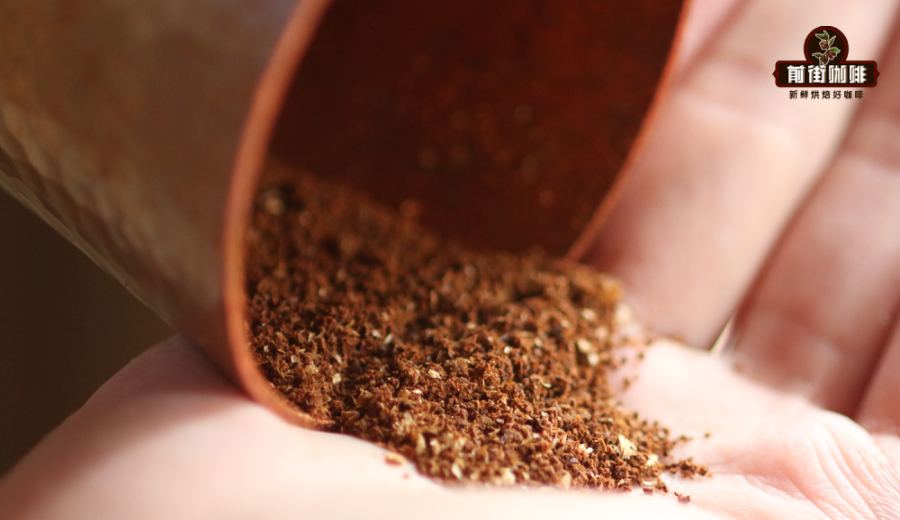
Introduction:Once coffee grounds are ground, their flavor begins to deteriorate rapidly. Understanding how oxygen, humidity, and high temperatures affect the quality of coffee grounds is essential knowledge for every coffee enthusiast. This article delves into the main reasons behind the decline in coffee grounds' flavor, and provides specific storage methods along with practical test data to help you effectively extend the optimal flavor period of your coffee grounds, ensuring that every pour over cup showcases its best possible flavor.
The flavor and freshness of coffee grounds are closely related, and the three main factors affecting their quality are oxygen, moisture, and high temperature. These factors not only accelerate the loss of aroma but may also cause the coffee grounds to deteriorate, affecting the final extraction performance and taste. This article will break down these variables from a scientific perspective and, combined with test data, guide you through practical methods to prolong the flavor life of your coffee grounds.
The Golden Period for Coffee Beans’ Flavor
During the roasting process, coffee beans release a large amount of carbon dioxide. This gas acts both as a natural barrier to extraction and a temporary preservation layer for aroma. Observations show that between the 4th and 7th day after roasting, approximately 60% to 70% of the carbon dioxide is released in a concentrated manner—this is why the blooming stage during this period easily forms a full, "hamburger-like" foam. Thereafter, the rate of gas release gradually slows down. When the residual gas drops to 30% to 40%, the coffee beans enter a stable period. The flavor typically peaks between 30 to 45 days after roasting, a phase considered the "optimal flavor window" for the beans.
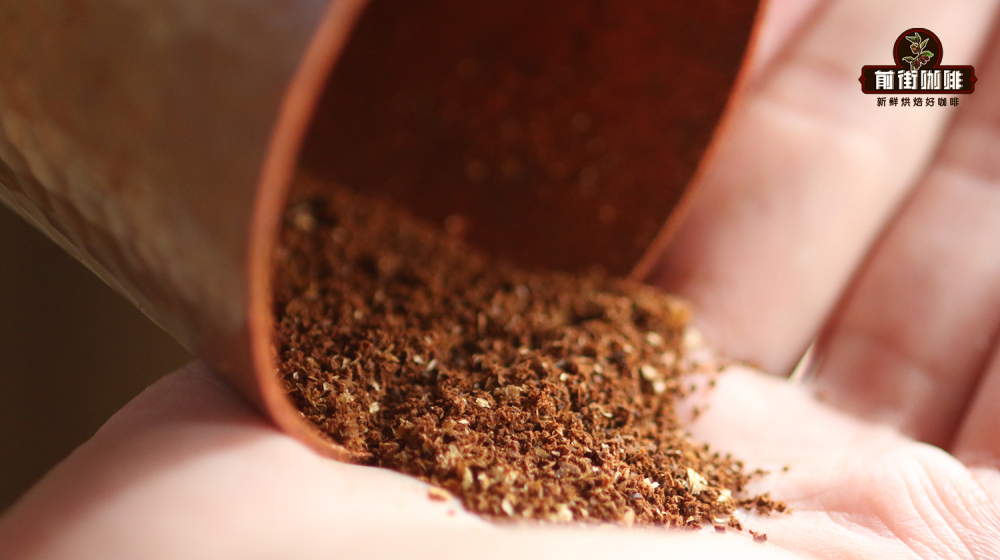
Oxygen: The Number One Killer of Flavor Loss
Among the many factors that influence the quality of coffee grounds, oxygen has the most direct and severe impact. Oxygen quickly triggers oxidation reactions in the coffee beans, causing aroma molecules to break down and the flavor to become dull. Even brief exposure to air can strip the coffee of its original layers and vibrancy. Therefore, it is crucial to seal your coffee bean or ground container immediately after each use, minimizing the time fresh oxygen comes into contact with the coffee—it’s the first step to delaying flavor degradation.
Humid Environments: The Invisible Quality Destroyer
Coffee beans and grounds are extremely sensitive to humidity. Once stored in a damp environment, coffee grounds easily absorb moisture, leading to clumping, spoilage, or even mold. Especially for dark roasted beans, which have more surface oils, moisture absorption may not be visibly obvious, making it easy to unknowingly brew with them, thereby compromising overall flavor and drink safety. Therefore, storing coffee grounds in a dry, well-ventilated environment is a basic requirement to maintain their freshness.
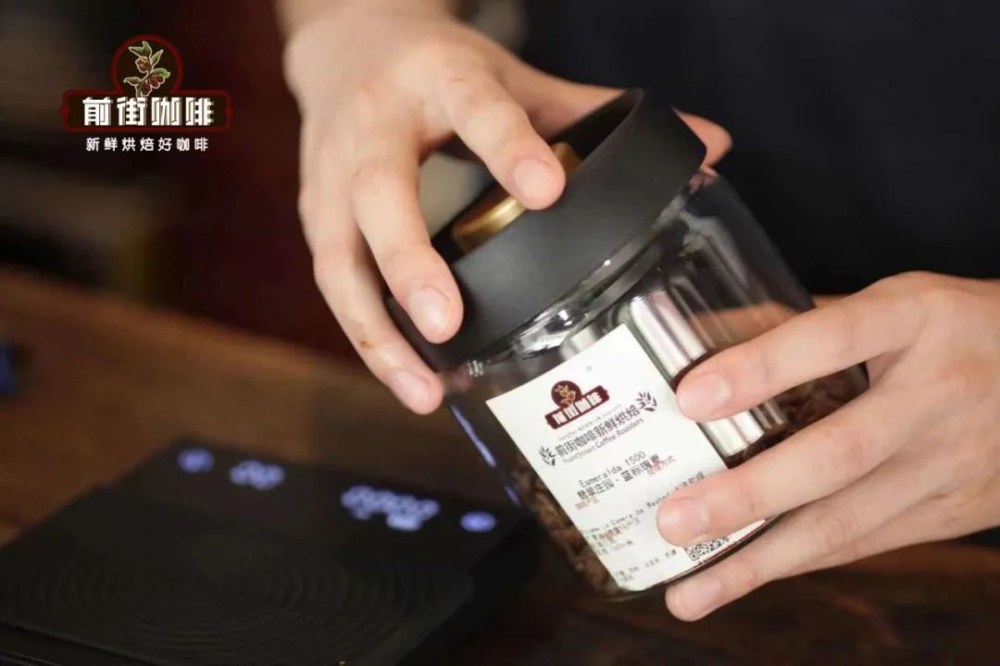
High Temperatures: A Catalyst for Accelerated Aroma Evaporation
High temperature environments can significantly speed up the evaporation of aromatic compounds in coffee beans, causing the originally rich and layered aromas to dissipate quickly. Areas near stoves, electrical appliances, or direct sunlight should all be avoided when storing coffee grounds. Even aluminum foil packaging, often advertised as heat-insulating, struggles to provide protection under prolonged high temperatures. It is recommended to store coffee grounds in a cool, low-temperature, and stable environment to slow down the rate of aroma loss.
Additionally, many people mistakenly believe that as long as it's kept out of light, it's fine to leave it in the sun—this is not the case. The dual effects of high temperature and light will cause the coffee grounds’ flavor to degrade rapidly. Therefore, when storing, choose a location that is both lightproof and maintains a constant temperature to effectively preserve the original flavor of the coffee.
How Long Can Coffee Grounds Retain Their Flavor?
Once coffee beans are ground, the surface area exposed to air increases dramatically. The carbon dioxide and aromatic substances that are normally slowly released from the bean structure will rapidly escape within a short time. According to tests, the same batch of Panamanian Boquete Geisha coffee beans, when ground and sealed, still performed well in terms of flavor during the first three weeks, though gradually declining each day; after one month, the aroma almost completely disappeared, leaving only a bland "coffee taste."
Therefore, if you purchase a larger quantity of coffee grounds at once, it’s advisable to divide them into multiple sealed jars or vacuum bags, taking out only the amount needed each time to reduce the frequency of opening and the possibility of aroma loss. This not only extends the optimal flavor period of the coffee grounds but also ensures a better flavor experience with each brew.
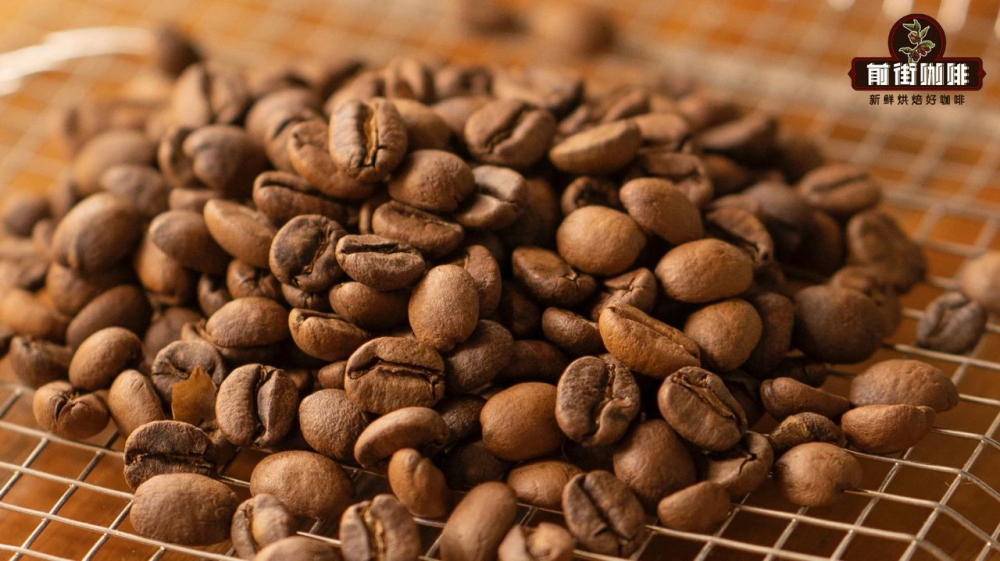
Real-World Daily Flavor Change Test of Ground Coffee
To more intuitively understand how coffee grounds change in flavor over time, we conducted a consecutive multi-day flavor test on a pack of Yirgacheffe washed beans roasted on December 29, 2024. The results showed:
Right after grinding, the coffee exhibited bright citrus, lemon peel, and white floral notes, accompanied by honey-like sweetness. The bloom was pronounced with abundant bubbles in the coffee bed; flavor layers were clear, featuring refreshing citrus, lemon, pear, and plum acidity, with a finish of melon seed, caramel, and green tea notes.
On the first day after grinding, citrus and lemon peel aromas remained noticeable, but the overall fragrance was slightly more subdued, accompanied by some nutty and milk candy notes; flavors were dominated by sweet orange, grapefruit, and a tea-like profile, with vibrant acidity and a distinct aftertaste.
By the second day, the dry aroma became softer, with citrus still distinguishable, but overall fragrance significantly weakened and fewer bubbles appeared during blooming; flavors were mainly citrus and grapefruit with sweet-and-sour notes, a caramel mouthfeel upon entry, and a green tea-like finish.
By the third day, the dry aroma shifted to a blend of honey, citrus, and nuts, with further reduction in bubbles during blooming and extraction; flavors of grapefruit and lemon were still detectable, but the acidity was no longer bright, the caramel note became more pronounced, and the overall tone leaned toward a fuller body.
From this, it’s clear that once coffee is ground, its aroma and flavor rapidly diminish over time—especially for medium to light roasts, whose emphasized floral and fruity notes can be largely lost within just a few hours. Therefore, if you’re aiming for the richest and most original aromatic expression of coffee, it’s recommended to use freshly ground beans along with a suitable grinder to fully experience the essence of coffee’s finest flavors.
The above content is compiled by CoffeeHunters, a coffee news website.


