







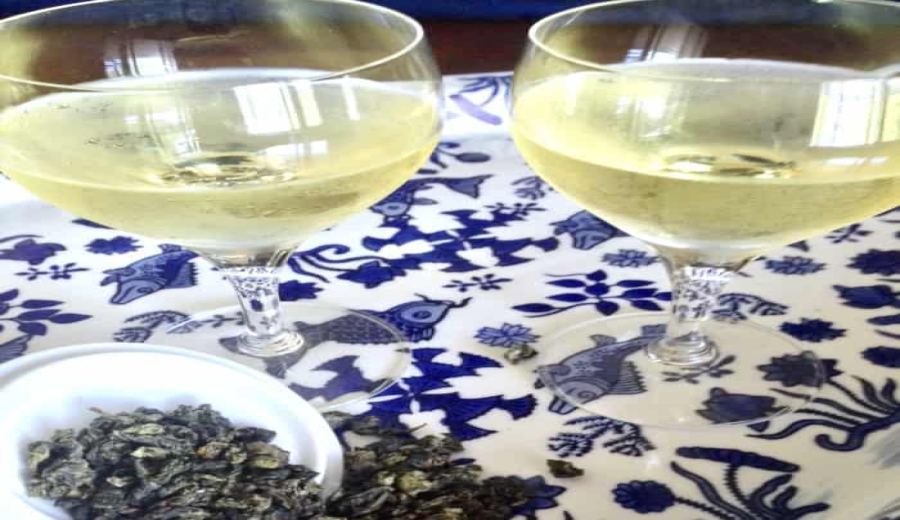
Introduction:Want to easily brew a sweet and refreshing cold-brewed Phoenix Dancong tea at home? This article delves into the principles of cold brewing, explains how low-temperature extraction preserves the tea’s natural sweetness and nutrients, and compares the aroma and flavor differences between Phoenix Dancong oolong and black tea in cold brew. It also offers practical advice on tea-to-water ratios, steeping times, and tea selection, helping you avoid bitterness pitfalls and enjoy the cool charm of summer tea.
As summer arrives, a refreshing yet layered cold brew tea has become a favorite among many coffee and tea enthusiasts. Compared to hot brewing, cold brewing uses lower water temperatures and longer steeping times to more fully retain beneficial compounds in the tea leaves such as polyphenols and flavonoids, while effectively suppressing the release of tannic acid. This reduces astringency and bitterness, delivering a cleaner, smoother drinking experience.
The uniqueness of cold brew tea lies in the fact that lower steeping temperatures allow sweeter compounds like amino acids to dissolve more easily, while tannic acid—the main cause of astringency—is less likely to be released. This results in a sweeter-tasting tea, especially for oolong varieties like Phoenix Dancong, where cold brewing better highlights its delicate floral and fruity notes and smooth mouthfeel. Additionally, cold brew tea releases relatively less caffeine, making it suitable for evening enjoyment or when you want to unwind.
Not all teas are suitable for cold brewing. It’s generally recommended to choose lightly oxidized oolong teas, certain green teas, and white teas. For example, lightly to moderately roasted Phoenix Dancong varieties such as Honey Orchid and Duck Shit Aroma often showcase richer aroma layers and a softer taste. Highly oxidized teas like ripe pu-erh or Tieguanyin, or heavily roasted oolongs, may turn out dull or overly astringent when cold brewed, so they’re best approached with caution.
Phoenix Dancong, a renowned oolong tea from Chaozhou, Guangdong, boasts a rich variety of aroma profiles, with many specific cultivars particularly well-suited for cold brewing. For instance, Honey Orchid offers natural honey undertones and a faint orchid fragrance, which become even more sweet and smooth when cold brewed. Duck Shit Aroma, on the other hand, is grounded in earthy and smoky notes, developing unique fruity-woody tones after cold brewing, resulting in a refreshing flavor with a long-lasting aftertaste. In contrast, black tea variants like Phoenix Dancong Black Tea present a distinct malty sweetness and soft fruity aromas when cold brewed, catering to those who prefer a mellow taste.
Compared to regular black tea, oolong tea tends to retain more floral and fruity aromas and layered complexity when cold brewed, resulting in a more vibrant and refreshing taste. Black tea, meanwhile, leans toward a rich, full-bodied sweetness with a more rounded and concentrated flavor profile. Both can deliver low astringency when cold brewed, but oolong often brings an extra touch of fresh grassiness and terroir character, whereas black tea feels smoother and more velvety.
To successfully brew a cup of cold-brewed Phoenix Dancong at home, it’s recommended to use a tea-to-water ratio of about 1:50—that is, 1 gram of tea leaves per 50 milliliters of water—adjustable according to personal taste. Tea leaves can be placed directly into a glass bottle or teapot; for easier filtering, you may also pre-pack them into a tea bag. It’s suggested to use room temperature or chilled mineral water, though not mandatory—regular tap water works too, though water quality will directly affect the final flavor.
The general recommended cold brew time is 1 to 3 hours. For tender green teas or lightly roasted Phoenix Dancong, just 30 to 40 minutes can yield an ideal taste. For steeping containers, flat-bottomed kettles, glass teapots, or sealed jars are preferable, as they ensure even expansion and extraction of the tea leaves. After brewing, the tea can be refrigerated, but it’s best not to exceed 24 hours. Once taken out, it should be consumed within 2 hours to maintain optimal flavor and hygiene.
Common mistakes include using too much tea, steeping for too long, or choosing highly oxidized or heavily roasted tea types—all of which can easily lead to excessive bitterness, dullness, or off-flavors in cold brew tea. Beginners are advised to start with lightly roasted, aromatic Phoenix Dancong oolong varieties, gradually exploring the flavor potential of different teas in cold brewing.
In summary, cold-brewed Phoenix Dancong not only delivers a refreshing summer treat but also represents a simple yet refined way of brewing tea. With the right tea selection, tea-to-water ratio, and steeping time control, you too can easily brew a pot of sweet, non-astringent, and intricately aromatic cold brew tea at home, experiencing the multifaceted charm of Phoenix Dancong across different temperatures.
The above content is compiled by CoffeeHunters, a coffee news website.


