







Introduction:Anji black tea is a high-end black tea variety that has garnered significant attention in recent years. It is made from the fresh leaves of the locally unique Baiye No. 1 tea plant in Anji, refined through the fermentation process of black tea production. This article will delve into the production background, varietal characteristics, and core flavor profile of Anji black tea, while also providing a detailed comparison with its green tea counterpart—Anji white tea—both derived from the same plant. From origin and plucking, to oxidation levels and flavor layers, you’ll gain a comprehensive understanding of the key differences and tasting essentials between the two.
Anji black tea is an innovative and highly distinctive Chinese high-end black tea, crafted from the locally unique Baiye No. 1 tea plant. It is produced using traditional black tea processing steps—withering, rolling, fermentation, and drying. This tea not only retains the natural sweetness and soft mouthfeel brought by the inherently high amino acid content of Baiye No. 1, but also develops rich malt, honey, and molasses aromas during fermentation, giving the black tea a layered and sweet flavor profile.
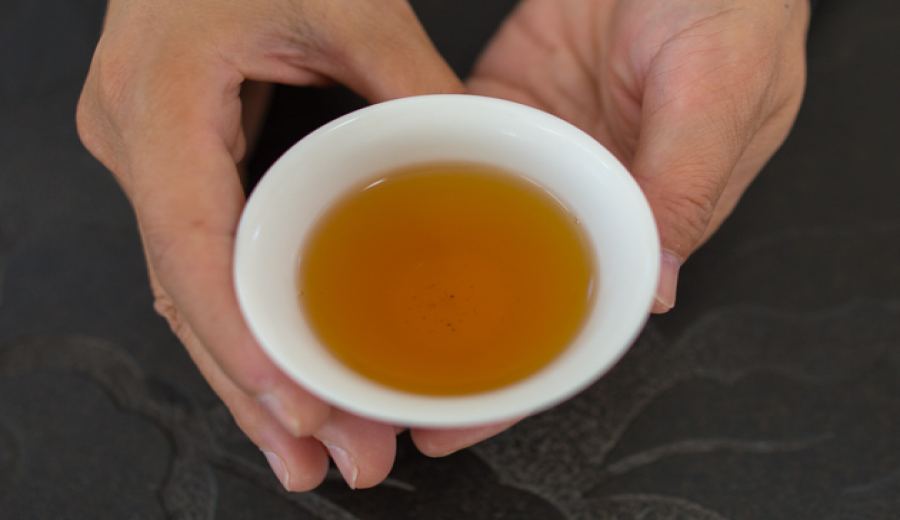
Compared to Anji white tea (a green tea made from the same plant), Anji black tea exhibits a completely different personality in terms of liquor color, aroma characteristics, and taste profile. The white tea version is known for its fresh and delicate style, showcasing the typical jade-white leaf base and subtle floral notes, whereas the black tea version transforms into a full-bodied amber liquor, exuding warm, mellow sweetness and fruity undertones, with a richer and deeper taste.
Anji black tea originates from Anji County, Huzhou City, Zhejiang Province. The region’s high-altitude environment and foggy climate are ideal for tea plant growth, resulting in tea leaves rich in internal components. The plucking season is concentrated around early April each year, when temperatures remain relatively low—particularly conducive to Baiye No. 1 accumulating a high proportion of amino acids. The raw material is harvested at the standard of one bud and two leaves, ensuring sufficient tea quality and good brewability.
It’s worth noting that Anji black tea and Anji white tea both come from the same source—the tea plant variety known as “Baiye No. 1.” However, the fundamental difference in their processing—one being the non-fermented green tea method, the other a fully fermented black tea method—leads to vastly different final flavor expressions. White tea emphasizes preserving the original freshness and briskness of the fresh leaves, while black tea, through full fermentation, converts catechins in the leaves into theaflavins and thearubigins, releasing more sugars and aromatic compounds.
In terms of flavor layers, Anji black tea presents a rich yet delicate character. The liquor is smooth on the palate, with pronounced sweetness and notable caramel and honey notes in the finish. As the number of infusions increases, its fruity and sweet aromas gradually emerge, and the liquor color transitions from a light golden yellow in the first brew to a deep amber. Compared to typical Dian Hong or Keemun black teas, it is softer and more refined, with less astringency or intense stimulation, yet carries a touch of the elegance and smoothness unique to the Jiangnan tea-growing region.
The greatest characteristic of the Baiye No. 1 tea plant lies in its exceptionally high amino acid content. Research indicates that its amino acid level is about three to five times that of common tea plant varieties, enabling teas made from it—whether green or black—to exhibit extraordinary sweetness and throat sensation. Especially when plucked early in spring, before temperatures exceed 25°C, chlorophyll synthesis in the leaves is relatively low, the leaf color remains light, and amino acid accumulation peaks. This is why this tea plant variety is especially prized.
When producing Anji black tea, leaves are typically harvested slightly later in spring, once the tea plant has grown to the one bud and two leaves stage. By then, the leaves have matured somewhat, with a firmer structure that supports the stability needed during the black tea fermentation process, yet without losing the variety’s characteristic softness and sweetness. This leaf selection strategy allows Anji black tea to retain the innate advantages of Baiye No. 1 while also showcasing the richness and complexity expected of a black tea.
China’s high-end black tea market has undergone significant changes in recent years. More and more consumers are no longer satisfied with traditional export-oriented black teas, but are seeking domestic high-end black teas with local character and refined craftsmanship. Anji black tea was born in this trend and gradually entered the market starting in 2010. With its unique regional flavor and refined processing, it quickly gained market recognition. Its place of origin, “Anji,” not only signifies the geographical origin of the tea, but also carries the region’s long-standing tea culture and natural environmental advantages.
As for Anji white tea, its history can be traced back to the Song Dynasty, and it has been praised by literati and emperors throughout the ages. Legend has it that Emperor Huizong of the Song Dynasty once dedicated a chapter in his tea treatise to describing the delicate flavor of this type of “white tea,” and Lu Yu, the Sage of Tea, also mentioned the Anji region as a treasure of tea, although it did not specifically refer to the current Baiye No. 1 variety. It wasn’t until the 1980s that these precious tea plants were widely propagated and became the popular green tea item they are today. The oldest surviving mother tree is over 300 years old and has become a pilgrimage site for tea culture enthusiasts.
The above content is compiled by CoffeeHunters, a coffee news website.


