








Introduction:Dive deep into how Panama’s Hacienda La Esmeralda elevated Geisha coffee to the pinnacle of specialty coffee, from the discovery of the variety to the differences among grades like Red Label and Green Label, and how the unique terroir of the Boquete region contributes to its captivating flavors. This article details the pour over parameters and techniques for sun-dried Red Label Geisha, helping you master the key brewing elements to savor its layered floral and fruity notes.
Geisha coffee is world-renowned for its distinctive floral and citrus notes, and Panama’s Hacienda La Esmeralda is the driving force behind bringing this variety onto the international stage. From an originally obscure variety to repeatedly achieving sky-high prices at international auctions, the rise of Geisha is inseparable from the efforts of Hacienda La Esmeralda. This article not only traces the transformation of Geisha from its introduction to Panama to becoming a top-tier specialty coffee, but also introduces in detail the differences among the estate’s various grades such as Red Label and Green Label, and analyzes how the terroir conditions of the Boquete region nurture unforgettable coffee flavors. Additionally, we share practical pour over extraction parameters and step-by-step instructions for sun-dried Red Label Geisha from Hacienda La Esmeralda, helping coffee enthusiasts more precisely capture its complex floral and fruity aromas and refreshing taste.
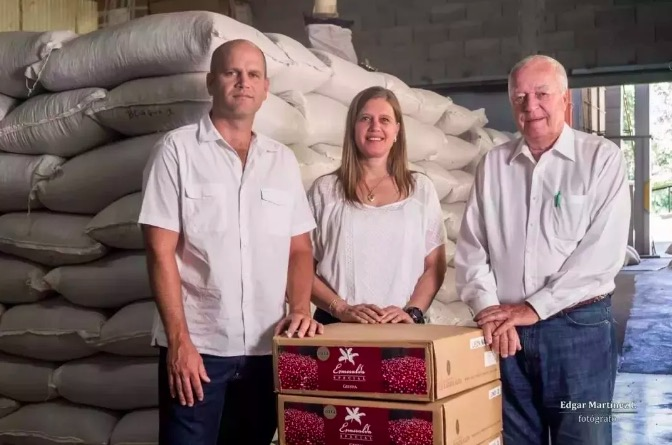
Hacienda La Esmeralda is located in Panama’s Boquete region. This estate is not only a key site of discovery for the Geisha variety but also the driving force behind maximizing its flavor potential. As early as the 1960s, when Rudolph A. Peterson purchased the local farm, it was primarily focused on dairy farming. It wasn’t until 1973, after his son returned to the farm, that it gradually shifted to coffee cultivation and introduced several new varieties, including Geisha. However, due to its low yield and mediocre performance at altitudes other than high elevation, Geisha did not receive special attention in the early years. It wasn’t until the 1990s, when many coffee trees on the farm were damaged by leaf rust while Geisha demonstrated remarkable disease resistance, that growers began to re-evaluate the potential of this variety.
Subsequently, the farm transplanted Geisha to higher altitude areas, and during the first cupping session in 2003, it was discovered that the coffee exhibited intense white flower, berry, citrus, and bergamot aromas, with a clean and bright taste—thus establishing the classic Panamanian Geisha flavor profile known today. The following year, this coffee participated in the Best of Panama (BOP) competition for the first time and won the championship outright. It continued to dominate for many consecutive years and even earned global recognition from the Specialty Coffee Association of America (SCAA) in 2005, solidifying its top-tier status. Since then, Geisha has spread from Panama to the world, sparking planting booms in regions including Colombia, Guatemala, Bolivia, and even China’s Yunnan Province in recent years, where small amounts of Geisha are now grown.
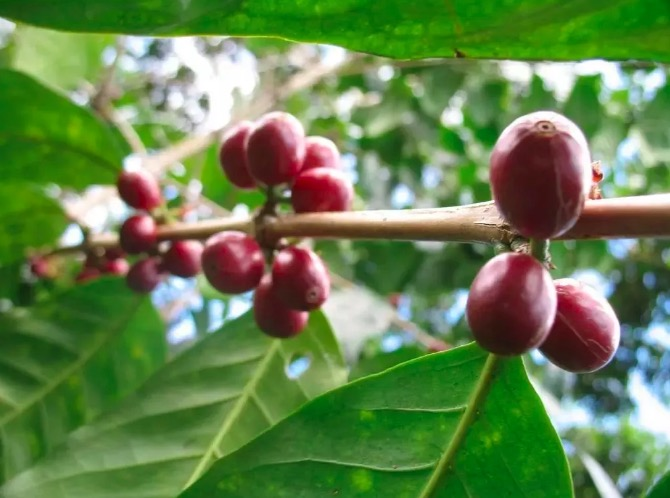
Red Label Geisha from Hacienda La Esmeralda is considered the flagship representation of the variety. Its standout flavor is closely tied to the unique microclimate and geographic conditions of the Boquete region. The town of Boquete is located on the plateau on the eastern side of the Barú Volcano, at an altitude of about 1,000 to 2,000 meters. The climate is influenced by the warm, humid trade winds from the Caribbean Sea and the cold currents of the Atlantic Ocean. Coupled with steep terrain and year-round misty conditions, seven distinct microclimates have formed, creating an ideal environment for coffee cultivation. This area not only receives abundant rainfall but also boasts rich biodiversity, with the Barú Volcano National Park being a key ecological conservation site. The top-tier Geisha produced by Hacienda La Esmeralda and neighboring estates like Elida Estate all originate from this uniquely advantaged location.
Geisha is extremely particular about its environment, requiring high altitude, fertile soil, moderate shade, and a mild climate—it absolutely cannot be exposed to direct sunlight. The estate emphasizes that during the initial planting phase, traditional pruning methods should be used, and a large number of shade trees are essential to protect the young seedlings. More importantly, the higher the altitude, the slower the coffee cherries ripen, leading to a richer and more complex accumulation of flavors. For this reason, Hacienda La Esmeralda has divided the Geisha-growing areas into three core blocks: Cañas Verdes, Jaramillo, and El Velo. These blocks are further subdivided into multiple small plots based on altitude, microclimate, and cupping results to ensure each batch of Geisha can be traced back to its origin.
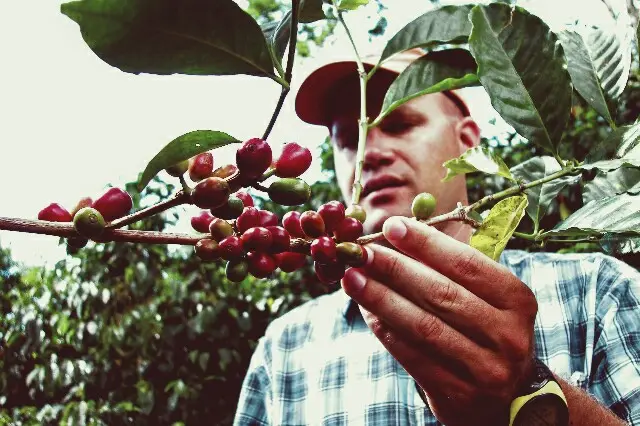
Among the many plots, this production area stands out due to its exceptional conditions. With annual rainfall reaching up to 4,000 mm, significant day-night temperature variations (average daytime temperatures ranging from 19 to 25°C and dropping to 11 to 15°C at night), and an overall environment that is humid and cool, it provides ideal growing conditions. Notable sub-plots within this area, such as Mario, Noria, Reina, Bosque, Buenos Aires, and the newly added Caballeriza, are major sources of Red Label Geisha. The sun-dried Red Label Geisha introduced here comes from the Mario plot, characterized by its gentle floral, citrus, berry, and honey aromas. It offers a well-layered taste upon brewing and leaves a long-lasting aftertaste.
Compared to the premium Red Label, Green Label Geisha represents the estate’s second tier, positioned to be more accessible. Originally named “Private Collection,” Green Label refers to Geisha lots that do not participate in auctions but still maintain outstanding quality. It mainly consists of blended beans sourced from three major farms—Jaramillo, Cañas Verdes, and El Velo—at altitudes between 1,600 and 1,800 meters. Its flavor profile highlights classic citrus and honey notes, making it ideal for coffee lovers who enjoy soft fruit tones without wanting to spend too much. This selection features a washed-process Green Label Geisha, primarily chosen to provide a flavor contrast with the sun-dried Red Label, allowing tasters to experience how different processing methods affect clarity and aroma expression.
So, how does the sun-dried Red Label Geisha from Hacienda La Esmeralda actually taste? In practical tasting, this coffee, with its medium-light roast level, successfully preserves Geisha’s signature bright acidity and complex floral and fruity notes. To fully bring out its flavor potential, it is recommended to use a V60 dripper with water at 91–92°C,a 1:16 coffee-to-water ratio,anda grind size as fine as caster sugar (approximately 80% passing through a #20 sieve),. The pour over process is divided into three phases: First, bloom with 30 grams of water for 30 seconds, then pour 120 grams of water to raise the coffee bed, and finally add 90 grams of water to finish, for a total brew water volume of240 grams, with an extraction time controlled around2 minutes and 10 seconds. This parameter setup helps enhance extraction efficiency while avoiding over-extraction, resulting in a more balanced acidity and sweetness with clear and distinct flavor notes.
The above content is compiled by CoffeeHunters, a coffee news website.


