







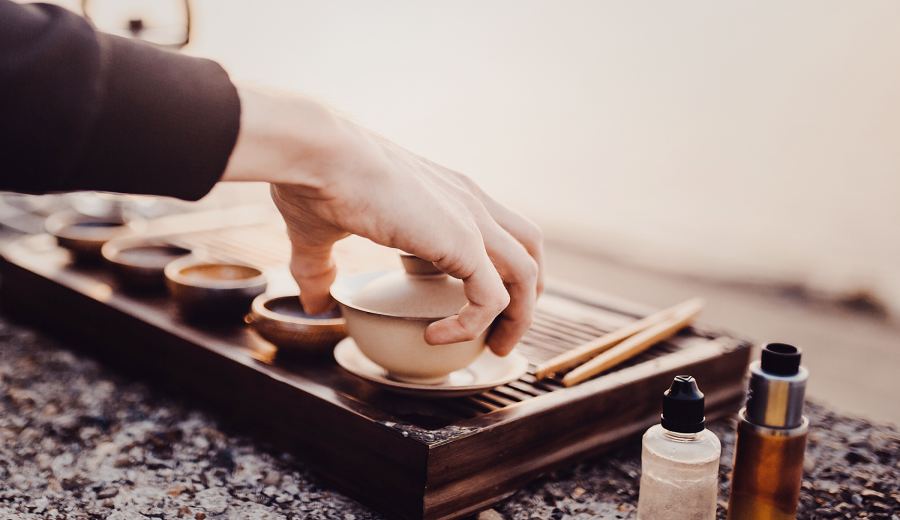
Introduction:Chaozhou Gongfu tea is not a single type of tea, but rather a classic tea ceremony originating from Chaozhou in Guangdong Province, with Phoenix Dancong oolong tea being the most representative. This article delves into the key differences between it and general brewing methods—from short-duration, high-frequency pouring techniques, to three distinctive regional ceremonial processes, and on to practical steps using a gaiwan as well as temperature control. It will help you grasp the aromatic layers and mountainous charm of Phoenix Dancong, allowing even coffee enthusiasts to easily step into the world of tea art.
Chaozhou Gongfu tea does not refer to any specific kind of tea leaf, but rather to a set of refined tea brewing techniques that originated in Chaozhou, Guangdong. It is especially suitable for brewing oolong teas, among which Phoenix Dancong best showcases its essence. This tea ceremony emphasizes frequent and brief infusions—typically just 3 to 10 seconds per brew. By controlling each infusion, the tea leaves gradually unfurl, slowly releasing a rich and varied array of aromas and flavor profiles.
Gongfu tea art can generally be divided into three major schools: Chaozhou, Fujian, and Taiwan. Though each style has subtle differences, they all demonstrate an ultimate pursuit of tea liquor quality and ritualistic experience. The Chaozhou school, in particular, places great importance on tea ware pairings, often including a tea tray, a compact gaiwan (commonly called a "chicken owl"), or locally made clay teapots. It also features three small tea cups arranged in a triangular “品” (meaning “taste” or “appreciation”) formation, highlighting the delicate art of tea savoring.
So, what makes Gongfu tea different from regular brewing? Its defining feature lies in extremely short infusion times and a high-frequency pouring strategy. After each pour of hot water, the tea is drained after just a few seconds. This prevents the tea leaves from releasing too much tannin too early, while also allowing each brew to showcase distinct aroma transitions and evolving taste profiles. Moreover, because each infusion is so brief, most tea types—including oolong, white, pu’er, and black teas—can easily yield six or more infusions, forming a sharp contrast with the Western-style method of steeping large quantities for long durations.
Gongfu tea is not merely a brewing technique, but a lifestyle ritual that blends focus and aesthetics. While many are familiar with Japan’s matcha ceremony, Chinese Gongfu tea similarly carries profound cultural depth. It is mainly divided into three regional styles: Chaozhou, Fujian, and Taiwan. Each varies slightly in tea ware selection, brewing pace, and serving etiquette, yet all emphasize the core spirit of “cultivating oneself through tea.”
Focusing on the Chaozhou style, its tea ware setup is distinctly regional, including a tea tray, a compact gaiwan (commonly called a “chicken owl”), or a teapot made from locally unique clay (different from Yixing purple clay teapots). These are paired with three identically sized tea cups arranged in a “品” character shape, symbolizing the concept of savoring tea slowly and mindfully. The most skill-demanding part of the process is accurately and evenly distributing the tea from the gaiwan into the three cups—maintaining consistent strength while controlling the portion in each cup. This is the true “gongfu” (skill) of Gongfu tea. To this day, in Chaozhou, not only tea houses but also some accommodations still preserve this traditional tea ware, reflecting its cultural significance and everyday integration.
If you’d like to personally experience the charm of Phoenix Dancong, brewing with a gaiwan is highly recommended. A 120 ml white porcelain gaiwan is suggested, with a tea dosage of 7 to 8 grams, achieving a tea-to-water ratio of about 1:15—this effectively highlights the tea’s aroma without being overly strong. Before brewing, always rinse the gaiwan and tea cups with freshly boiled 100°C water. This step not only warms the tea ware but also helps awaken the tea’s fragrance. Then, place the dry tea leaves into the gaiwan, gently shake them, and take a moment to appreciate the dry leaf aroma.
During the actual brewing process, for the first infusion, it is recommended to pour the water and then drain the tea after about 3 to 5 seconds. This initial step is mainly to wash away impurities and awaken the tea, so prolonged steeping is not needed. From the second infusion onward, you may extend the steeping time by 2 to 3 seconds per brew according to your personal taste preference, allowing the aroma and flavor to gradually unfold. Be especially mindful to completely pour out each brew to avoid residual tea affecting the purity and performance of the next. Phoenix Dancong is renowned for its unique floral and fruity notes and mountain terroir characteristics. Whether it’s the classic Ya Shi Xiang (Duck Shit Aroma) or Mi Lan Xiang (Honey Orchid Aroma) varieties, using this gaiwan technique will clearly present its richly layered aroma shifts and lingering sweet aftertaste.
The above content is compiled by CoffeeHunters, a coffee news website.


