







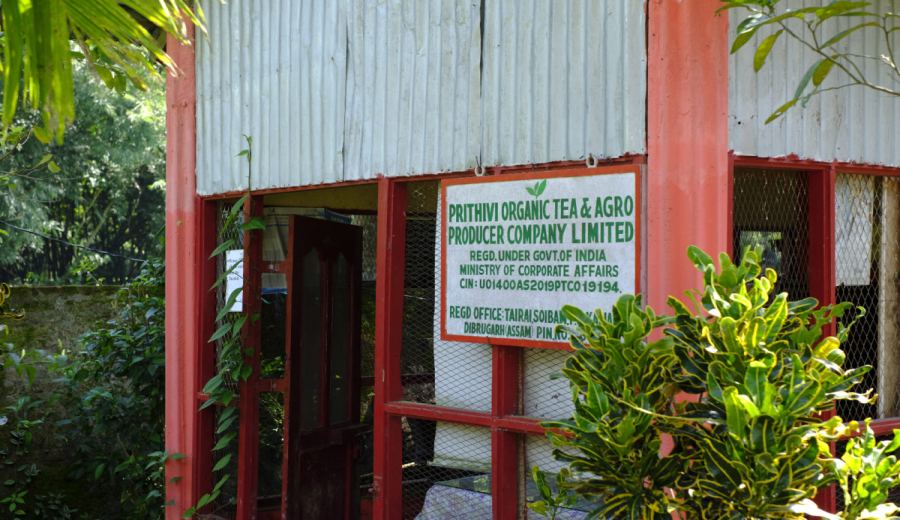
Introduction:As one of India’s most renowned black tea regions, Assam has been developing organic tea for decades. However, only a small number of tea estates truly adhere to natural farming practices and reject chemical intervention. Some tea farmers in the Naharkatia region began exploring fertilizer-free and pesticide-free cultivation methods ten to twenty years ago, even forgoing organic certification to pursue what is known as the "natural tea" approach. This article will analyze the differences between organic and conventional black tea in terms of cultivation, flavor, and packaging, while also exploring how natural farming impacts the aroma of the brewed tea and the health of the soil—helping you identify Assam organic black teas that are truly worth savoring.
The organic tea movement in Assam dates back several decades, but very few estates have fully transitioned to natural cultivation. Tea farmers in the Naharkatia region have gradually shifted from traditional farming to organic methods over the past ten to twenty years. They not only stopped using chemical fertilizers and pesticides but went a step further by abandoning organic certification, choosing instead a unique path known as "natural tea." This cultivation method is not only ecological but also directly influences the aroma and overall flavor complexity of the brewed tea.
So, what exactly is "natural tea"? And how does it differ from conventional organic black tea? In simple terms, these tea gardens follow the principle of minimal human intervention, allowing the tea plants to grow in an environment close to nature—without applying organic fertilizers, spraying pesticides, or seeking organic certification. Many small-scale tea farmers, due to limited resources, cannot afford the expensive certification fees, yet they still persist in cultivating tea in an eco-friendly way. As a result, such teas are often referred to as "natural tea" rather than organic tea in the conventional sense.
The core differences between organic black tea and regular black tea mainly lie in the cultivation process and the final flavor. Conventional black tea often uses chemical fertilizers and pesticides to boost yields, which may compromise soil health and the intrinsic flavor of the leaves. Organic black tea, on the other hand, prohibits these chemicals and places greater emphasis on the balance of soil and ecology. Particularly with "natural tea," all artificial additives are completely eliminated, relying solely on natural nutrients for growth—resulting in a more delicate and natural aroma expression.
Many tea farmers choose not to apply for organic certification primarily because the certification process is lengthy and costly. Typically, it takes at least three years from the transition to obtaining certification, and comprehensive testing may take up to five years to ensure no residual foreign chemicals remain in the soil or tea leaves. For small-scale farmers with limited resources, this is a significant challenge. Therefore, some tea gardens opt to present their tea as "natural tea"—certification-free, yet still committed to the philosophy of natural cultivation.
In terms of tea garden management, another hallmark of natural cultivation is intercropping with other trees, such as fruit trees. The intertwined root systems promote microbial activity in the soil, further enhancing the flavor complexity of the tea leaves. This practice not only helps reduce soil erosion but also creates a more stable microclimate, greatly benefiting tea plant growth. Many tea farmers have observed that such an environment fosters the production of tea liquor with richer and more layered aromas.
Packaging choices are also an important indicator of whether a tea garden truly upholds sustainable principles. To minimize environmental impact, some tea gardens have switched to paper packaging with aluminum foil lining, replacing traditional plastic materials. Since finding completely plastic-free packaging solutions in India is not easy, many tea farmers have invested considerable effort to find biodegradable and eco-friendly alternatives—ensuring that everything from cultivation to packaging aligns with the spirit of nature and sustainability.
If you are a black tea enthusiast, especially one who values flavor details and environmental sustainability, it is recommended to prioritize products from Assam tea gardens that adhere to natural cultivation and sustainable development principles. These teas not only offer a more complex and nuanced experience when brewed but also represent respect for the land and ecology. By understanding the cultivation story behind each tea, you’ll gain a deeper appreciation for the value carried in a good cup of tea.
The above content is compiled by CoffeeHunters, a coffee news website.


