







Introduction:Delve into the complete production process of Guangdong Chaoshan’s oolong tea masterpiece — Yulanxiang Dancong. From the origin of the tea cultivar, optimal harvest timing, to sun withering, indoor resting, manual shaking, high-temperature fixation, and charcoal roasting, we break down how each key step influences the aroma and mouthfeel of the tea liquor. We also compare differences in production methods with Taiwanese high-mountain oolongs, helping you master the professional essence of oolong tea craftsmanship.
Fenghuang Dancong, the most representative oolong tea from Guangdong’s Chaoshan region, is famed for its diverse and captivating aroma profiles and outstanding brewability. However, while many tea enthusiasts love its flavors, they often have only a vague understanding of its varietal origins, production details, and how it differs from Taiwanese oolong techniques. This article starts with the tea plant lineage of Yulanxiang Dancong, detailing the full tea-making chain — from fresh leaf plucking, sun withering, indoor withering, manual shaking, high-temperature fixation, to rolling and charcoal roasting — to help you deeply understand how each stage shapes the unique character of the tea liquor.
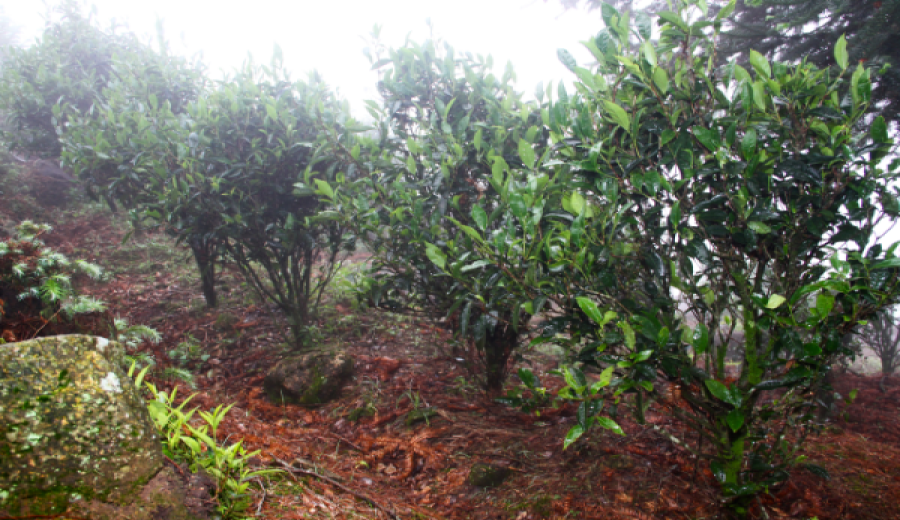
First, Yulanxiang Dancong belongs to the Fenghuang Dancong tea plant series, whose roots can be traced back to the Shuixian variety from Wuyi Mountain in Fujian. It is said to have evolved through mutation from this line. Although often mistakenly considered the same as Wuyi rock tea, the Dancong series boasts significantly more diverse aromas and is known for its “one tree, one aroma” trait — a single tea garden may feature over ten natural fragrance types. The harvest period is concentrated from early April to mid-to-late May, with the standard being “one bud and two leaves.” At this stage, the fresh leaves contain the richest compounds, which aid in subsequent aroma accumulation and transformation.
Once the fresh leaves are picked, the first step is “sun withering,” also called sun wilting. Tea farmers evenly spread the leaves on clean bamboo baskets or under eaves, using natural sunlight to slowly evaporate surface moisture. This stage requires strict control of exposure time and intensity, with an ideal water loss rate of around 10%–15%. Over-withering leads to aroma loss, while under-withering affects subsequent fermentation. This process has no fixed duration and is entirely judged by the tea master’s experience, adjusted according to weather conditions.
Next comes the indoor withering phase, where sun-treated leaves are moved to a cool, ventilated area to rest. This allows internal moisture to redistribute while initiating some enzymatic reactions, laying the foundation for the subsequent shaking process. This step helps enhance the future aroma layers and subtlety, serving as a crucial preparatory phase for forming oolong tea’s unique “aroma profile.”
Then comes the most skill-demanding step — “shaking,” also called “leaf manipulation” or “zuqing.” The leaves are placed in large bamboo sieves and shaken repeatedly at specific rhythms and angles, causing the leaf edges to collide and rub against each other. This breaks cell walls and triggers moderate oxidation. This process releases specific aromatic compounds and is the core element that creates the diverse aroma types of Dancong. Shaking is usually repeated multiple times, about ten minutes per round, with the rhythm adjusted based on leaf response. Typically, at least four rounds are performed until the leaf edges show clear signs of oxidation — the characteristic “green leaf with red edge.”
It’s worth noting that while Taiwanese oolong tea also pursues a balance of aroma and taste, its leaf manipulation technique mostly uses “ball rolling” — gently rolling leaves into a spherical shape either manually or with machine assistance — rather than generating friction through shaking. Though the methods differ, both regions aim to initiate precise oxidation to create distinctive aroma structures.
Once the leaf manipulation reaches the desired state, it’s immediately followed by the “fixation” stage, where high heat (around 220°C–250°C) is used to quickly stir-fry the leaves, halting enzymatic oxidation and locking in the aromas and flavors formed up to that point. This step also removes grassy notes and lays a stable foundation for subsequent rolling and roasting.
Next is rolling, where the fixed leaves are lightly pressed and rolled either manually or mechanically to gently squeeze out tea juice, enhancing the tea liquor’s richness and aroma release. Finally, we move to the roasting stage. Yulanxiang Dancong is typically roasted with medium-low temperature charcoal (around 120°C), done in multiple sessions with gradual increases in aroma concentration. This temperature setting preserves the original varietal aroma, avoiding heavy roastiness that could mask delicate nuances — a classic roasting method for Chaoshan oolong teas.
From plucking to roasting, each step is closely interconnected, directly influencing the final tea liquor’s aroma type, mouthfeel depth, and brewability. If you’ve tasted classic aroma styles like Gardenia, Duck Shit, or Honey Orchid Dancongs, these unique flavors are the cumulative result of the exquisite craftsmanship described above. Understanding these details will help you better appreciate and select truly high-quality oolong teas.
The above content is compiled by CoffeeHunters, a coffee news website.


